
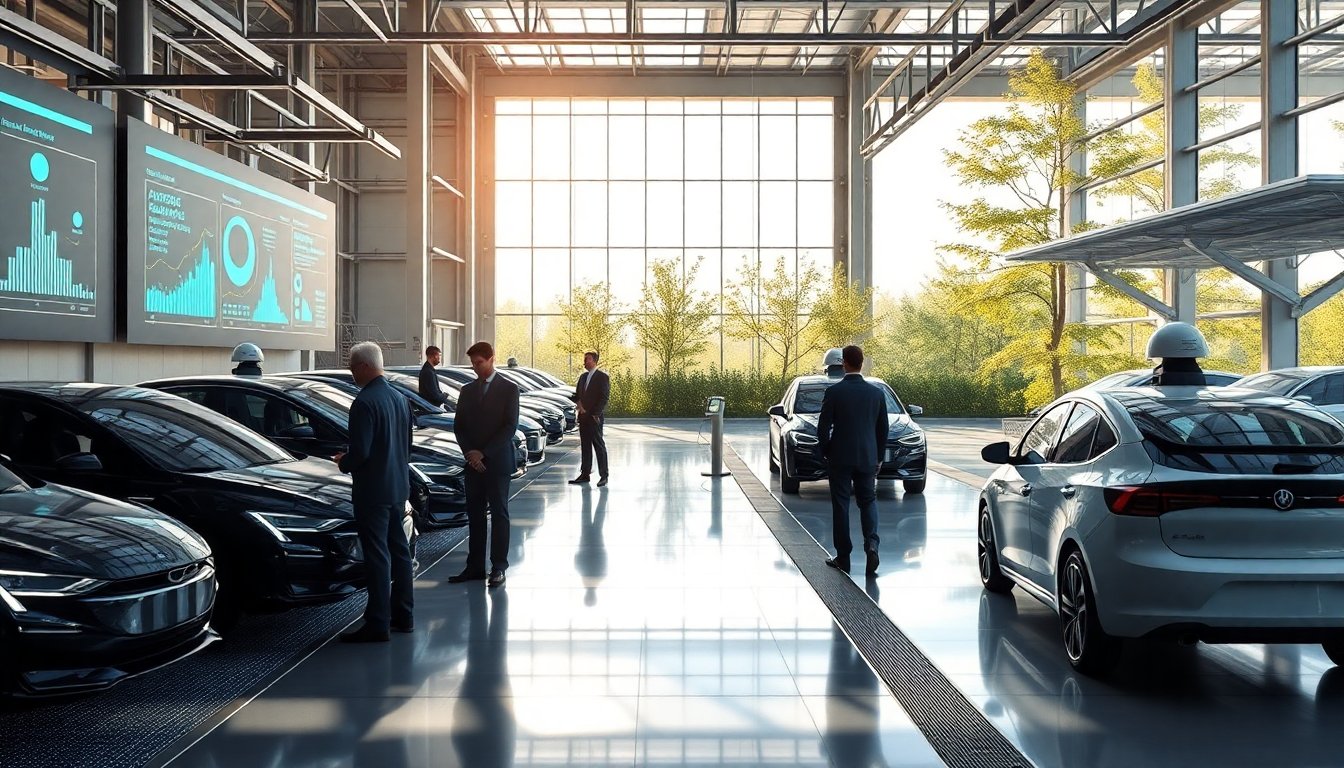
Transformations in the automotive industry
The automotive industry has experienced significant change over recent decades, largely due to advancements in technology. The shift toward electric vehicles and the emergence of autonomous driving have fundamentally altered our perceptions of cars and transportation. This article examines the key innovations that have reshaped the automotive landscape and their implications for consumers and the environment.
The rise of electric vehicles
The automotive industry is undergoing a significant transformation with the increasing adoption of electric vehicles (EVs). Once considered a niche segment, EVs are now at the forefront of the market, driven by heightened concerns regarding climate change and the dwindling availability of fossil fuels. Leading automotive manufacturers are prioritizing the development of battery-powered vehicles, which has sparked a wave of competition and innovation within the sector.
Benefits of electric vehicles
Electric vehicles (EVs) provide a range of benefits that contribute to their increasing popularity. From a regulatory standpoint, they produce zero tailpipe emissions, which plays a crucial role in reducing air pollution, particularly in urban settings. This development supports global initiatives aimed at combating global warming and enhancing public health.
Moreover, EVs generally entail lower operating costs in comparison to traditional gasoline vehicles. This cost efficiency arises from cheaper electricity prices and reduced maintenance requirements, making them an attractive option for consumers and businesses alike.
Advancements in autonomous driving technology
The development of autonomous driving technology marks a significant milestone in the automotive industry. Leading companies such as Tesla, Waymo, and Uber are at the forefront of this innovation, creating vehicles capable of navigating without human input. This technology integrates a sophisticated mix of sensors, cameras, and advanced artificial intelligence algorithms, aiming to improve both safety and efficiency on the roads.
Safety and regulatory challenges
The advancement of autonomous driving technology presents numerous opportunities, yet it also encounters substantial regulatory challenges and safety concerns. The legal framework for self-driving cars is still developing, as legislators seek to address liability issues that arise in the event of accidents. Moreover, public acceptance remains a significant obstacle, with many consumers voicing doubts regarding the reliability and safety of this emerging technology.
Connected vehicles and the Internet of Things
The concept of connected vehicles has gained significant traction, driven by the evolution of the Internet of Things (IoT). These vehicles are capable of communicating with one another and with surrounding infrastructure, which enhances traffic flow and safety features. For instance, vehicles equipped with vehicle-to-vehicle (V2V) communication systems can alert drivers about potential hazards, including accidents or adverse road conditions.
Impacts on transportation systems
The integration of connected vehicles into urban planning offers remarkable opportunities. Cities can leverage data collected from these vehicles to optimize traffic management systems, thereby reducing congestion and improving overall efficiency. Additionally, smart traffic signals can adjust in real-time to changing traffic conditions, further enhancing vehicle flow.
Future trends in automotive technology
Several trends are expected to significantly impact the automotive industry. The development of hydrogen fuel cell vehicles is emerging as a sustainable alternative to traditional fuels. This shift reflects a growing commitment to reducing carbon emissions and enhancing energy efficiency.
In addition, the rise of shared mobility services is transforming consumer transportation habits. Car-sharing and ride-hailing services are becoming increasingly popular, offering convenient options that minimize the need for personal vehicle ownership.
Furthermore, advancements in vehicle design and manufacturing techniques are producing lighter, more efficient vehicles. Innovations such as 3D printing and the use of advanced materials enable manufacturers to create vehicles that are not only environmentally friendly but also cost-effective to produce.
The automotive industry is experiencing significant transformation, marked by advancements in technology. The emergence of electric vehicles, the evolution of autonomous driving, and the integration of connected technologies are reshaping the landscape. These innovations present new opportunities and challenges for consumers. Staying informed about these developments is crucial as they influence transportation choices and environmental considerations.


