
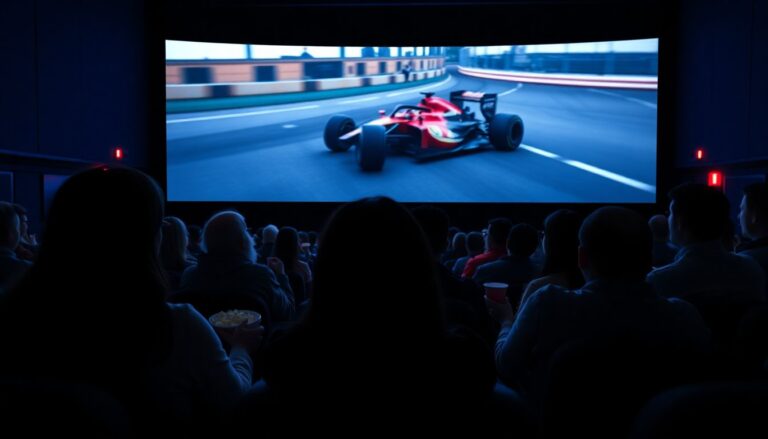
Apple TV and IMAX are teaming up to bring Formula 1 to the big screen: five live Grands Prix will be shown in IMAX cinemas across the United States, with at least 50 participating locations expected. The move follows the strong box-office performance of F1: The Movie in IMAX auditoriums, and aims to deliver a race-day experience that television or streaming alone can’t match.
What’s being offered
– Live presentations will mirror the broadcast feed but be tailored for IMAX’s giant screens and immersive sound systems. Expect amplified audio, sharper visuals and a communal atmosphere—more like being at the circuit than watching from your living room.
– The initial run is a pilot of five races: Miami (May 3, 2026), Monaco (June 7), Silverstone/British GP (July 5), Monza/Italian GP (September 6) and Austin/United States GP (October 25). Each event will be transmitted in real time to participating theatres.
– Exact venue lists, ticketing, pricing and additional programming (pre-show content, hospitality packages, etc.) have not yet been released. Organisers say more details will come from Apple TV, IMAX and Formula 1 as plans firm up.
Why IMAX for live F1?
Theatrical presentation accentuates the sport’s visual strengths—speed, close-quarter racing, pit-stop choreography and the tiny technical details that reward closer inspection. On a massive IMAX screen with a punchy audio mix, camera angles, telemetry overlays and team radio snippets can land with greater impact than on a typical TV feed. For fans who can’t make it to a track, a theater screening offers a social, sensory alternative: cheering crowds, collective gasps and the energy of a shared live event.
How the partnership will work
Apple TV supplies the live broadcast and production elements; IMAX adapts picture and sound for large-format exhibition. That requires careful technical coordination: camera framing and on-screen graphics need reworking for the wider field of view, and audio mixes must support immersive speaker arrays. Producers will also contend with latency, synchronization across multiple sites, and contingency plans for network or playback issues.
Technical and production challenges
Staging simultaneous live feeds across dozens of theatres isn’t plug-and-play. Key considerations include:
– Frame-accurate timing and synchronized audio to avoid lip-sync or drift.
– Redundant distribution paths and local caching to reduce disruption risks.
– Standardized calibration of contrast, color and motion on large screens.
– Operational rehearsals and fallback playback options for each venue.
Commercial picture and precedents
Cinema chains and rights holders have experimented with live event cinema before—opera, theater, some sports—but motorsport brings unique demands and revenue possibilities. This rollout could create new income streams for IMAX through alternative programming and give Apple TV a chance to showcase live broadcast capability on a different platform. Ticketing models may vary: premium seating, hospitality packages, bundled concessions or short subscription trials could all be tested. Ultimately, performance metrics from these initial screenings will shape whether the concept expands.
What to expect at a screening
Attendees should anticipate a charged, communal atmosphere: the race feed on an enormous screen, amplified engines and commentary, and likely curated pre-show content or behind-the-scenes features to round out the experience. Organisers present this as a complement to home streaming, not a replacement—if you still prefer watching from the couch, Apple TV will continue to carry the live broadcast.
Unanswered questions
Several practical items remain open:
– Final list of participating IMAX locations and how many theatres will take part beyond the stated minimum.
– Ticket prices, seating tiers and any hospitality or bundled options.
– How broadcast elements (on-screen graphics, commercial breaks, timing windows) will be handled in cinemas.
– Technical specifics about latency tolerance and synchronization measures.
Why it matters for US F1 fans
Formula 1’s popularity in the United States has been surging. These theatrical screenings offer an alternative for people who want the communal excitement of race day without the cost and travel of attending a Grand Prix. If the pilot succeeds, this could become a recurring way to experience select races—bringing more fans into the fold and giving existing followers fresh ways to connect. It’s a promising trial that could reshape how fans experience marquee F1 events, provided the technical and commercial pieces fall into place. Keep an eye on announcements from the partners for venue lists, ticketing details and any extras they plan to roll out alongside the live shows.