
Argomenti trattati
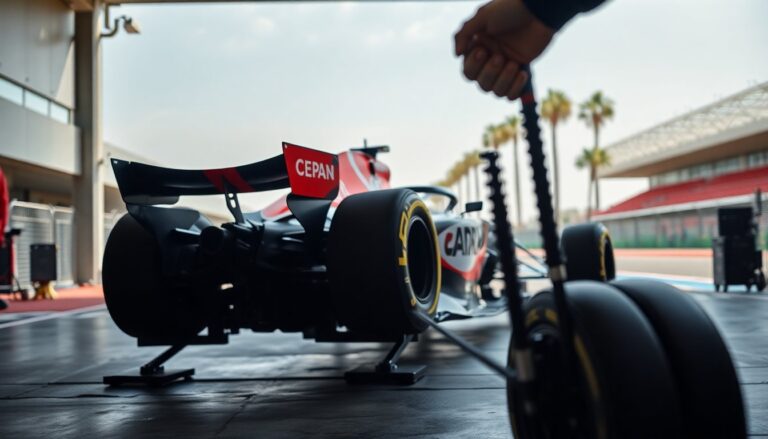
The first on-track outings for the Aston Martin AMR26 in Bahrain produced a mix of optimism and concern. Inside the Silverstone garage the mood oscillated between recognition of the car’s fundamental potential and frustration about progress and rhythm. Team figures, notably Mike Krack and driver Fernando Alonso, have described the opening sessions as productive for learning but unsatisfying in terms of outright pace and consistency.
Behind the headlines is a technical and organizational picture: the squad is adapting to major rule changes while integrating new partner elements, such as the arrival of a Honda power unit collaboration. The AMR26 is Adrian Newey‘s first full project under the team’s banner and that pedigree raises expectations — expectations that the team admits will require concentrated effort to meet.
What the on-track mileage revealed
Early running highlighted areas of clear progress and persistent weakness. Engineers used laps primarily to validate cooling, suspension and brake-pack settings under race-like conditions. That work confirmed the car’s basic aerodynamic concept, but also exposed instability through sequence changes and long runs.
Drivers reported a narrow operating window for front-end grip, which complicated consistent long-run pace. Team statements described short stints as useful for peak-pace work, while longer programmes brought tyre-degradation and thermal management issues into sharper focus. Reliability was acceptable but not flawless, prompting follow-up checks each evening.
Integration of the new power unit emerged as a parallel challenge. Sources within the team said packaging compromises remain while software calibration is refined. Those adjustments are standard during calendar-year transitions, yet they add complexity to aerodynamic development and chassis setup.
From an engineering perspective, the AMR26 shows traits associated with a high-downforce, high-efficiency concept. From a sporting perspective, the package needs more predictable operating margins to translate potential into competitive lap times. Leading companies have understood that iterative correlation between wind tunnel data and on-track behaviour is essential; Aston Martin faces the same pragmatic task.
Sustainability is a business case, and in motorsport that means maximising development returns within constrained testing budgets. Dal punto di vista ESG, long-term competitiveness depends on extracting reliable performance signals from limited running. The team’s approach in Bahrain combined targeted data collection with conservative mileage to protect future development options.
Next steps will focus on tightening the car’s operating window and accelerating power-unit calibration. Engineers expect a series of small, high-impact updates rather than one radical change. The coming test programmes and early-season races will be decisive in revealing whether the AMR26 can convert its design pedigree into consistent race performance.
Leadership perspective: krack and the team’s priorities
Team principal Mike Krack said the Bahrain programme prioritised data collection over headline lap times. He described the sessions as a methodical exercise to validate thermal, aerodynamic and tyre models under a range of conditions.
Alonso’s programme delivered 98 laps of controlled running, split between a 55-lap morning block and a 43-lap afternoon session. Engineers used varied fuel loads and extended stints to replicate race conditions and stress cooling and degradation maps.
Krack acknowledged the AMR26 does not yet show the consistent race pace demonstrated by the season’s early pacesetters. He framed that shortfall as a development priority rather than a fundamental design flaw. The focus now is on translating the car’s engineering pedigree into repeatable long-run performance.
From an operational standpoint, the team will use the Bahrain data to adjust setup windows and simulation inputs. These recalibrations aim to reduce variability between tyres and align on-track behaviour with the wind‑tunnel and CFD models that informed the car’s concept.
Leading teams have understood that steady iteration in the opening programmes yields clearer gains than one-off upgrades. Krack plans a measured development path that emphasises reliability of race pace and predictability across circuits.
Practical next steps include targeted aerodynamic updates, revised cooling ducts and refined tyre management strategies. Engineers will validate each change in short test runs and race-simulation stints before committing to component homologation.
Road maps remain data-driven and performance-led. The coming test programmes and early races will reveal whether the adjustments convert into consistent race results.
Technical focus areas
The team framed the session as a data-gathering exercise rather than a performance benchmark. Management instructed engineers to prioritise reliability and coherent datasets before pursuing aggressive upgrades.
Practical work will centre on three areas. First, detailed analysis of sensor logs to identify transient faults and repeatable anomalies. Second, closer correlation between wind-tunnel and CFD outputs and on-track behaviour to reduce prediction error. Third, tighter integration between chassis and power unit systems, including software harmonisation and thermal management.
Engineers will map aerodynamic sensitivity across operating windows. That process will clarify how small setup changes affect tyre temperatures and degradation. The team also plans stepwise validation of any aerodynamic changes on low-risk runs before wider deployment.
From a commercial and competitive angle, the message is pragmatic. Sustainability is a business case when reliability protects development spend and race finishes secure sponsor value. Leading teams have demonstrated that steady, evidence-driven progress often yields better returns than early, high-risk performance gambles.
Implementation will rely on rapid feedback loops. Track engineers will tighten telemetry review cycles and feed findings directly into the factory simulation chain. The aim is quicker iteration between track observations and validated design adjustments.
The coming test programmes and early races will reveal whether the adjustments convert into consistent race results. If telemetry trends stabilise and component failures fall, the programme can shift toward performance upgrades with reduced operational risk.
With telemetry trends showing tentative stability, engineers shifted focus to three technical priorities: engine-packaging, cooling balance and aerodynamic stability. The team said the new power unit relationship improves long-term prospects but warned that on-track behaviour points to several systems needing refinement. Data analysis is concentrating on tyre operating windows, ride-height sensitivity and the AMR26’s response to varying aerodynamic loads. Engineers are running correlated simulations and component-level tests to isolate root causes and reduce variability.
Driver feedback and garage atmosphere
Feedback from drivers was direct and, at times, emotional. Fernando Alonso remained committed to the test programme but showed visible frustration during a difficult stint, an indication of his expectation for a more immediately competitive package. Lance Stroll also expressed concern, arguing that the performance deficit cannot be explained solely by the power unit.
Team management described the atmosphere as constructive rather than critical. Engineers logged driver comments alongside telemetry to prioritise fixes that deliver measurable on-track gains. Leading teams have understood that methodical problem-solving often yields faster improvements than reactive setup changes.
Technicians plan a phased approach: first stabilise operating windows and component reliability, then introduce performance-oriented upgrades once data trends are consistent. If component failures fall and operating envelopes widen, the programme can progress to more aggressive aerodynamic and mechanical development with lower operational risk.
As operating envelopes widen and the programme moves toward more aggressive development, early impressions in the paddock have hardened into a measured assessment. Those reactions show the team has yet to align expectation with on-track reality after initial running. The AMR26 arrived with heightened attention because of Adrian Newey’s involvement. High ambitions met a harsher early verdict on reliability and balance.
Team dynamics and integration challenges
Team principal Mike Krack warned that internal coordination must keep pace with technical ambition. With new regulations and fresh partnerships in place, the club faces a complex orchestration task across design, manufacturing and the power-unit partner. Krack said organisational alignment and uninterrupted testing cycles are essential to close the gap to the front-runners.
Engineers must satisfy immediate driver demands for performance while preserving the methodical work that produces consistent lap times. That trade-off is delicate. Pushing for short-term gains risks introducing variability that undermines long-term development.
From an ESG perspective, sustainability is a business case even in high-performance environments. Leading companies have understood that efficient development cycles reduce waste, shorten feedback loops and lower running costs. That approach can also accelerate on-track progress by freeing resources for focused refinements.
Progress will depend on steady testing, clearer internal processes and tighter integration with technical partners. If those elements fall into place, the programme can exploit wider operating envelopes with reduced operational risk and more aggressive aerodynamic and mechanical updates.
Aston Martin has adopted an iterative development cycle designed to tighten performance while limiting operational risk. The team will prioritise collection of high-quality telemetry and simulation data. Engineers will validate solutions in the workshop before trialling refined components on track. The staged approach aims to reduce the chance of repeated reliability setbacks and to accelerate safe performance gains.
What comes next
During the inter-test period, engineers will analyse telemetry and simulation outputs to prepare updated parts and revised setups for the next on-track opportunity. The workflow will combine component-level validation, bench and rig testing, and controlled track verification. This sequence helps identify failure modes early and avoids costly reworks later.
The immediate objective is clear: raise the AMR26’s race pace while ensuring the car can complete consistent long stints without mechanical interruptions. Practical measures include longer stint simulations, targeted durability checks, and incremental aerodynamic and mechanical updates. Each update will be checked for integration risk before being cleared for full running.
From an ESG perspective, the iterative method also reduces material waste and resource use by limiting repeated part replacements. Leading companies have understood that disciplined development cycles produce both performance and operational efficiencies.
Next development steps are expected to roll out progressively as the programme exploits wider operating envelopes with reduced operational risk. Track reliability and consistent race distance performance will be the primary metrics for judging success.
The public message remains cautiously optimistic. Internally, the priority is to convert the car’s evident promise into measurable performance gains.
During Bahrain testing the AMR26 showed technical promise but still lagged in outright pace and systems integration. Leadership and drivers agree that reliability must improve before the team can contest the frontrunners. The engineering group will run focused analysis and targeted hardware and software updates ahead of the next on-track session.
From an ESG perspective, marginal efficiency gains in systems and pit procedures can reduce resource waste and operating risk while improving lap times. Sustainability is a business case that aligns with performance objectives: fewer component failures mean fewer spares and less logistical overhead.
Track reliability and consistent race-distance performance will remain the primary metrics for judging progress. The team expects iterative, data-led changes to deliver stepwise gains and will judge success by improved lap consistency and completion rates at the next test.