
Argomenti trattati
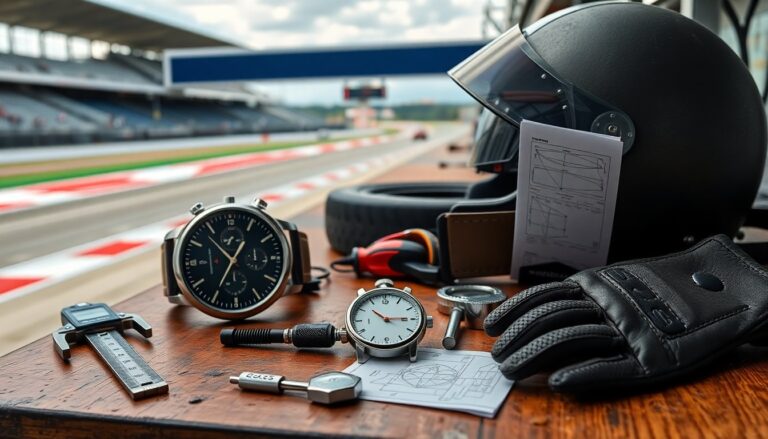
The Circuit of the Americas delivers an immediate reminder that MotoGP is as much a sensory experience as it is a sporting contest. From the moment the paddock doors open, the combination of sound, speed, and human skill dominates the scene: the thunderous note of engines, riders leaning at extreme angles, and the constant tension of competition. Trackside you don’t just watch the race—you feel it. The presence of Tissot as the official timekeeper adds another layer, linking the visceral spectacle to a web of engineering and watchmaking that measures every split second.
Beyond the spectacle, the weekend is also about conversations that reveal how brand partnerships shape the sport and product lines. Representatives from Tissot discussed the brand’s broad sports involvement and how that relationship influences watch design. While sporty models like the T-Race and the T-Touch emphasize performance, the quieter appeal of the Visodate 39mm shows Tissot’s commitment to balanced, classic design. These watches serve as both practical tools and cultural touchstones at events where timekeeping is paramount.
Why MotoGP feels different in person
Sitting in the grandstands or standing near the pit lane, the differences from a television broadcast become obvious. The acoustic intensity is relentless: a passing lap registers as a physical vibration through the body as much as audible noise. Riders achieve astonishing lean angles, sometimes beyond what looks physically plausible, and those glimpses into the limits of traction and control are mesmerizing. The giant hill that leads into Turn 1—measured at roughly 133 feet from the top—creates a dramatic downhill view onto the start/finish straight that television simply cannot replicate.
Race weekends also reveal the sport’s human drama. Grid walks and pitside moments put you face to face with riders and mechanics, from celebrations on the podium to tense moments when a crash takes several riders out of contention. Safety teams and medical staff stand ready at critical corners, and the interplay between risk management and raw speed is a constant background theme. Seeing a rider like Marc Márquez, with his multiple world championships, adds context to the skills on display.
Timing technology that decides winners
At the core of the weekend is a remarkably sophisticated timing system. Beneath the track lies an array of induction loops embedded in the asphalt that act as checkpoints for every lap. Each bike carries a transponder, a small device that communicates with those loops as a rider passes over them, allowing the system to log sector times and instantaneous speeds. That network of sensors makes split-second differences visible, turning a blur of motion into precise data that teams and officials rely on for strategy and results.
Photo finish accuracy
At the finish line, timing depends on both electronics and optical verification. High-speed cameras operating at up to 10,000 frames per second are used to determine the exact moment a bike crosses the line, so even at velocities exceeding 220 mph the result comes down to the leading edge of a tire rather than approximation. Servers and timing hardware in the timing room fuse camera feeds with transponder data to produce the official classification in seconds—an engineering feat that matches the pace of the sport.
Tissot’s role and the weekend’s watches
Tissot’s presence threads through hospitality suites, grid walks, and the timing room itself. The partnership extends beyond logos: product collaborations and limited editions tie Tissot to the rhythms of motorsport. Guests had hands-on moments with both automatic and quartz MotoGP editions of the T-Race, and the brand showcased versatile pieces like the PRX Powermatic 80 and the pragmatic T-Touch Connect Solar Sport GMT. Each model reflects a different facet of the partnership—from race-oriented chronographs that time laps to everyday watches that honor the event.
Moments on and off the track
Between the excitement of timed laps and watch unboxings, the weekend offered smaller rituals that shape the fan experience: early charter-bus rides to the circuit, scavenges for coffee before mornings in hospitality, and the sensory shock of the main event when the grid launches like a thunderbolt. There are also sobering reminders of racing’s unpredictability—multi-rider incidents on the first lap of a support race that send crews into action, fortunately with riders walking away—and the triumphant sequences when winners like Marco Bezzecchi and notable finishers such as Enea Bastianini cross the line to cheers and champagne showers.
In all, the weekend at Circuit of the Americas offered a layered view of MotoGP: the visceral thrill of the race, the precise technology that adjudicates it, and the watches that celebrate and measure every moment. For anyone who appreciates speed or craftsmanship, the combination of trackside adrenaline and meticulous timekeeping engineering makes for an unforgettable experience—and a reminder that great sport often rests on great measurement.