
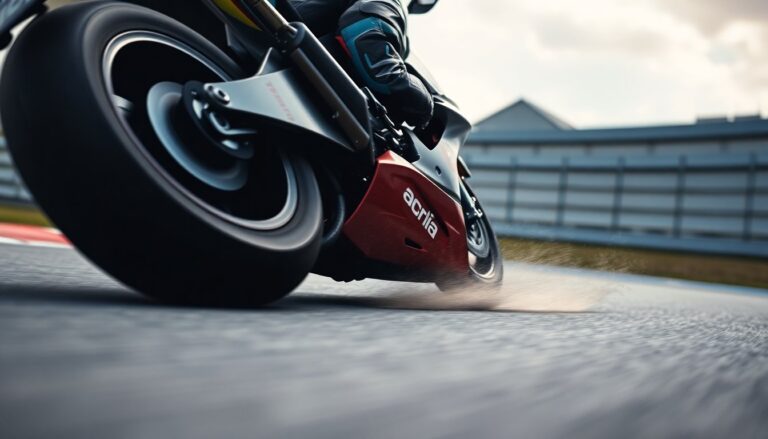
The opening practice in Buriram delivered a vivid snapshot of where teams stand heading into the first full race session. Marco Bezzecchi put his Aprilia RS-GP26 at the top of the timesheets with a late, composed flier that set the pace and even reset the lap record around the Chang International Circuit. That effort mixed bold corner entries with steady mid‑corner balance and sharper exit traction — the kind of incremental gains that add up when tenths of a second decide starting positions.
Why Bezzecchi’s lap mattered
Bezzecchi’s run wasn’t a single spectacular moment so much as the payoff of small, disciplined improvements. Engineers nudged chassis balance, allowed a touch earlier on the throttle and found a window where the Michelin rubber delivered optimal grip. As temperatures and rubbering up peaked, the bike showed stronger rear grip and cleaner drive out of the high‑speed turns. Those marginal advantages translated into a definitive benchmark for the rest of the field and will force rivals to choose whether to chase raw pace or prioritise stability over race distance.
How the session played out
The hour combined blistering speed with sporadic disruptions and tricky weather. Two incidents stopped the action and packed the timetable, which compressed everyone into frantic, late pushes for fast laps. Teams that had conserved tyre life benefitted; crews that used their best rubber early found themselves scrambling when the grip improved at the end. That kind of timing reshuffles which strategies look smart and which ones need rethinking.
Rivals and the midfield story
Marc Márquez ran near the front but never quite matched Bezzecchi’s benchmark, reminding us that outright power — especially from Ducati packages — still demands pinpoint setup and tyre management to unlock. Fabio Di Giannantonio and Jorge Martin put in strong laps as well, leaving multiple manufacturers represented among the early frontrunners.
Incidents and changing conditions
There were a handful of moments that disrupted rhythm. Ai Ogura suffered a crash while pushing for a quick lap but walked away unhurt. Officials are also reviewing an episode in which a test rider briefly impeded someone on a flying lap. Add scattered rain spots that forced quick tyre swaps and you get a session where teams juggled slicks and intermediates, trying to squeeze useful data out of interrupted runs. Those stop‑start conditions made it harder to assemble consistent long‑run comparisons and will complicate engineers’ homework before this afternoon’s action.
What engineers will take away
Telemetry highlighted where tiny differences matter: entry speed, mid‑corner torque and exit drive — small adjustments that amount to tenths across a lap. Teams will dig through tyre degradation curves, braking stability charts and stint comparisons to decide suspension tweaks and electronics maps. FP1 offered only limited long‑run validation for many squads, so the focus tonight will be on pattern recognition rather than headline lap times. In short: one quick flyer draws attention, but sustainable pace and tyre conservation are the real currencies for race day.
Who needs to react
A few riders underperformed relative to pre‑session expectations and will need rapid fixes before the next outing. For them, engineers will revisit compound choices, suspension settings and traction control strategies in search of a steadier rhythm. Others — like the Aprilias near the top — will try to preserve the progress they’ve shown and test how those gains hold up over longer stints.
Looking ahead
The afternoon session, which will better reflect qualifying trim, should clarify which early signals are genuine and which were flukes born of changing conditions. Expect teams to prioritise consistent stint times, degradation figures and comparative lap windows. Those numbers will drive tyre choices, run plans and, ultimately, race strategy for the weekend. Bezzecchi and Aprilia announced themselves with a tidy, record-setting lap, but interruptions and patchy weather limited comprehensive long-run work for many teams. The coming sessions must confirm whether the early pace can be converted into race distance performance — and that’s where the weekend will be won or lost.