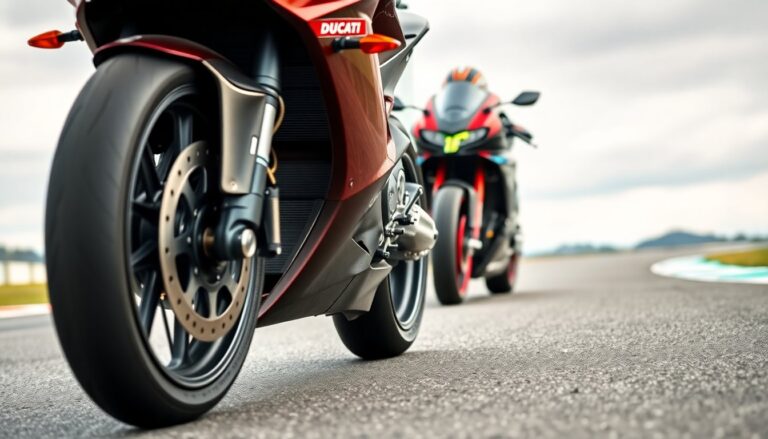
Let’s tell the truth: the final times still pointed clearly to a dominant package.
By the end of the test, the top positions were largely held by Ducati machinery. Bulega set the benchmark time of 1’28.630 during the closing runs. He was the only rider to dip into the 1’28s bracket in some sessions, underlining both qualifying potential and consistent race-pace capability. Teammates and other Ducati pilots occupied the next places on the combined timesheets, reflecting the marque’s effective setup for the fast, flowing Phillip Island layout.
Outside the factory reds, the bimota by Kawasaki pairing of Axel Bassani and Alex Lowes emerged as the main challengers. Both riders posted competitive laps and completed extensive long runs while testing tyre and chassis configurations. Race simulations featured across the paddock, with teams using cooler morning windows to run extended stints that approximate race conditions.
Key incidents and implications
Race simulations featured across the paddock, with teams using cooler morning windows to run extended stints that approximate race conditions. Testing was interrupted by a series of crashes that altered several teams’ plans.
Jake Dixon crashed at Turn 11 early in the session and was declared unfit after medical checks. He sustained a fractured left wrist and an elbow contusion and will miss the season-opening round. The absence of a confirmed rider for that event forces his team to reshuffle testing priorities and evaluate short-term replacement options.
Stefano Manzi fell at Turn 2 but was assessed and cleared fit to continue later in the day. Alvaro Bautista also crashed at Turn 10 in the afternoon, yet he remounted and logged substantial mileage while his crew persisted with setup work. Those recoveries limited disruption for their respective programmes.
Let’s tell the truth: losing a rider ahead of the opening round compresses the team’s development timeline. Engineers must prioritise baseline setup and race simulations over marginal performance runs. That trade-off can leave teams less prepared for changing conditions at the first event.
The emperor has no clothes, and I’m telling you: substitute strategies matter more than usual when testing time is lost. Teams face tactical choices on whether to call up a reserve with practice mileage or to run a less experienced rider to gather data. Each path carries championship and financial implications.
Notable rider progressions
Notable rider progressions followed the earlier testing scenes. Let’s tell the truth: several riders turned stronger lap times while teams chased setup stability for longer runs.
Lorenzo Baldassarri impressed on his return to the Superbike class. He posted the third-best time on the combined sheets and showed growing confidence in Team GoEleven‘s base setup. His runs suggested a clear upward trajectory in race trim.
Miguel Oliveira emerged as the leading rookie. He moved into the top ten with steady, repeatable improvements across sessions. Iker Lecuona and other midfield contenders also registered meaningful pace gains between runs, reducing gaps to the front.
The top positions featured a range of manufacturers. That spread indicates a more competitive grid than raw Ducati benchmark times alone would suggest. Teams used the afternoon windows to verify tyre degradation and long-run behaviour.
Supersport test: Masia fast as weather curtails action
Masia set the benchmark in Supersport before rain shortened the session. Teams cut programmes short and focused on single-lap pace and wet settings. The limited track time constrained longer evaluation of tyre wear and fuel loads.
Mechanics prioritised chassis balance and electronic mapping under damp conditions. Several riders reported improved front-end feedback after small geometry tweaks. The interruption left engineers with more data to analyse overnight.
The day ended with teams refining priorities ahead of the next on-track window. Expected developments include more long-run simulations and tyre comparisons when conditions permit.
Jaume Masia led the combined timesheet in Supersport after a two-day programme that ended early due to heavy rain. The wet finish halted running in the final session and denied many riders the chance to improve afternoon times. PTR Triumph Factory Racing riders Oli Bayliss and Tom Booth-Amos completed the top order, setting the tone for the home round.
Let’s tell the truth: the late arrival of wet conditions reshuffled priorities. Teams converted the closing period into a tactical, safety-first outing rather than a performance run. The interruption curtailed tyre programmes and comparison runs that many crews plan to validate race-day choices.
Wet-session interruptions matter because they leave teams balancing dry-running data against unknown wet-weather performance. Riders who depend on final-session simulations now face added uncertainty that must be managed through adjusted practice plans and conservative tyre strategies.
What to expect at the race weekend
Expect a return to longer runs and explicit tyre comparisons if track conditions improve. Teams will use any clear windows to confirm setups and replicate race fuel loads. If rain persists, strategy will favour conservative tyre choices and flexible pit plans.
The emperor has no clothes, and I’m telling you: small margins from these sessions can decide grid positions and early race pace. Race crews will monitor weather forecasts closely and prioritise usable data over optimistic one-lap attempts.
Testing shifts to race preparation at Phillip Island
With crews now prioritising usable data over one-lap runs, teams will convert test findings into qualifying and race setups. Engineers will refine chassis settings, brake maps and suspension for variable track temperatures.
Nicolo Bulega arrives as the benchmark after consistent speed and heavy mileage. Rivals such as Bassani, Alex Lowes, Sam Lowes and Baldassarri demonstrated they can close the gap over race distance.
Tyre strategy will be decisive. Teams will review compounds and thermal degradation, with particular attention to the hard compound used in race trims.
Testing reinforced a Ducati advantage in outright pace and signalled Bimota as a renewed contender. Single crashes during evaluation underscored how quickly championship prospects can shift.
Race weekend performance will determine how much of the test order converts into qualifying positions and race results. Weather variability at Phillip Island will add an additional layer of uncertainty to team plans.
Let’s tell the truth: the session gave clarity but not certainty. Expect teams to iterate rapidly and for the pecking order to remain fluid until lights out.