
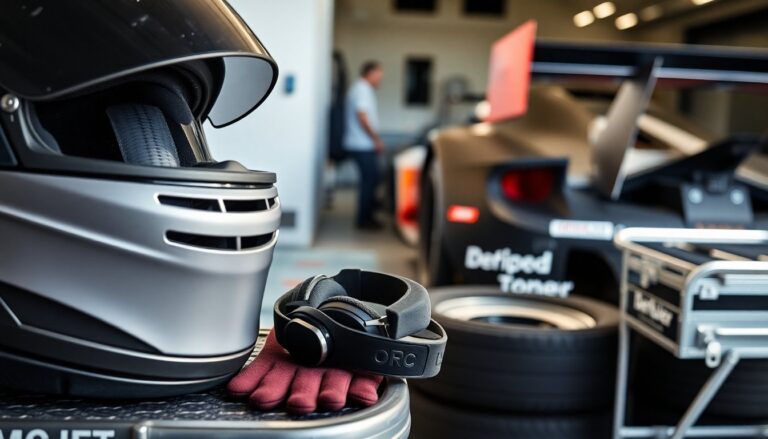
Motorsport is bending and shifting. Drivers are no longer following one tidy ladder to the top; teams lean harder on simulators and data, and new technical rules are forcing fresh tactical thinking on race day. The result is a paddock in motion — careers redirected, preparation redesigned and strategy reinvented.
Why some single-seater drivers are switching to endurance
Jack Doohan, who lost a steady F1 seat, is reportedly eyeing the European Le Mans Series (ELMS) for 2026. That isn’t an isolated curiosity. Increasingly, drivers are treating endurance series as a practical detour rather than a dead end.
Endurance racing offers immediate, tangible benefits. Regular race time replaces long stretches on the sidelines and keeps racecraft honed: wheel-to-wheel battles, multi-class traffic, defensive moves and extended stints that teach patience as much as aggression. Working closely with engineers on tyre longevity, fuel strategy and setup compromises also builds a collaborative résumé that appeals to teams looking for adaptable, technical drivers.
There’s an earnings and visibility angle too. Consistent results in a respected endurance series generate media attention and fresh data for scouts and team principals. Manufacturers and multi-category teams watch these championships closely; strong ELMS form can open doors to prototypes, GT seats or even a return to single-seaters. For a driver like Doohan, it’s straightforward: regain rhythm, create a track record and remain on the radar.
Simulators: the new proving ground
At McLaren, Zak Brown has publicly drawn a developmental line between Oscar Piastri and Lando Norris. Piastri’s early success — a first win in his second season after debuting — was not only about raw talent. Team insiders point to heavy winter work in the simulator as a major factor. The message is plain: virtual laps now accelerate real-world readiness.
Teams increasingly treat simulators as performance factories. Drivers who can extract meaningful gains from virtual testing — fine-tuning energy deployment, practising tyre management and rehearsing race scenarios — reduce the need for scarce on-track miles. But the trick isn’t logging hours in the sim; it’s converting that output into setups, strategy calls and consistent laps on race day. The most sought-after drivers are those who make that leap smoothly.
Rookies, rules and the rise of tactical creativity
This season’s technical changes have effectively reshuffled the starting line for many teams. New hybrid and energy-management rules put a premium on tactical intelligence as much as raw speed. Rookies such as Kimi Antonelli say the cars now demand inventive approaches: blending classical racecraft with fresh ways to handle tyres and hybrid deployment.
The gap between experience levels is closing. A young driver who masters energy cycles and anticipates rivals’ hybrid usage can bulldoze through traditional learning curves. Teams with deep simulation and engine capabilities — Mercedes among them — look well positioned, but pre-season form remains an imperfect predictor. Races still throw up surprises.
How strategy is evolving in the pits and on the track
Operationally, teams are shortening the loop between data analysis and on-track action. Engineers are under pressure to translate simulation outputs into concrete setup changes faster than ever. Race engineers face a constant trade-off: chase peak performance or conserve hybrid reserves for decisive moments? That tension shapes qualifying tactics, tyre choices and overtaking plans.
Not every outfit can explore dozens of strategy permutations in practice. Those with limited sim capacity may opt for simpler, lower-risk plans; others will gamble on aggressive hybrid deployment to seize short-term gains. Driver coaching reflects the new reality too — split-second judgement under hybrid constraints is now a core skill. Predicting opponents’ energy strategies and responding without wrecking tyre life will pay dividends.
Why some single-seater drivers are switching to endurance
Jack Doohan, who lost a steady F1 seat, is reportedly eyeing the European Le Mans Series (ELMS) for 2026. That isn’t an isolated curiosity. Increasingly, drivers are treating endurance series as a practical detour rather than a dead end.0
Why some single-seater drivers are switching to endurance
Jack Doohan, who lost a steady F1 seat, is reportedly eyeing the European Le Mans Series (ELMS) for 2026. That isn’t an isolated curiosity. Increasingly, drivers are treating endurance series as a practical detour rather than a dead end.1