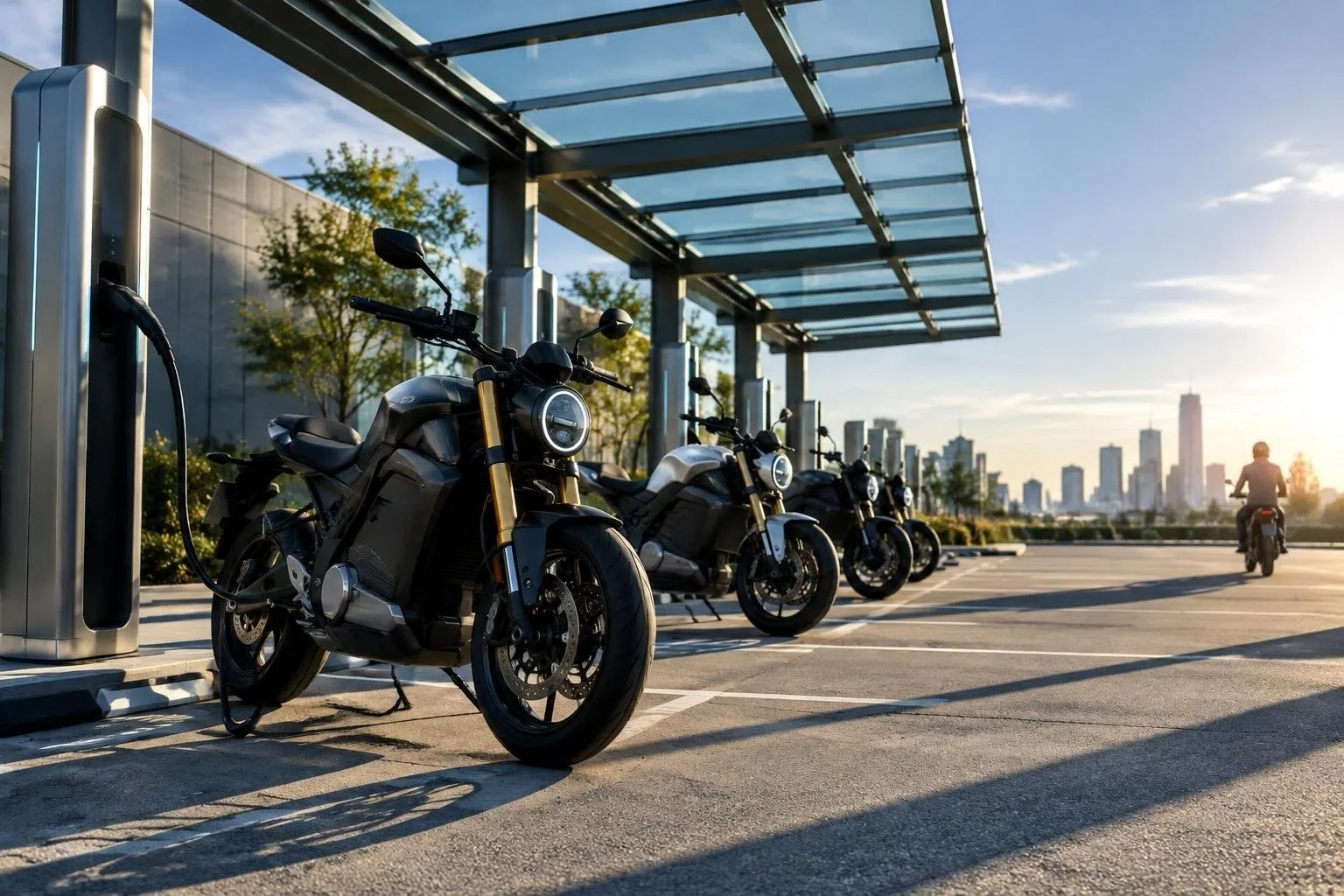
Buying an electric motorcycle can be a daunting task, especially with the numerous options available in the market. However, by understanding the key factors that affect the performance and usability of an electric motorcycle, buyers can make informed decisions. The primary consideration for any electric motorcycle buyer is the battery chemistry, as it affects the overall range and performance of the vehicle.
The range of an electric motorcycle is a critical factor, as it determines how far the vehicle can travel on a single charge. Generally, the range of an electric motorcycle is affected by the battery capacity and the charging standard. Buyers should consider their typical usage patterns and choose an electric motorcycle with a suitable range. Additionally, the charging time and charging cost are essential factors to consider, as they affect the overall usability and cost of ownership.
Understanding Battery Chemistry
The battery chemistry of an electric motorcycle is a critical factor, as it affects the overall performance and range of the vehicle. The most common battery chemistries used in electric motorcycles are lithium-ion and lead-acid. Lithium-ion batteries are generally preferred due to their higher energy density and longer lifespan. However, lead-acid batteries are still used in some electric motorcycles due to their lower cost.
Comparing Real-World Range
The real-world range of an electric motorcycle is affected by various factors, including the battery capacity, charging standard, and riding style. Buyers should research the real-world range of different electric motorcycles and choose one that suits their typical usage patterns. Additionally, the charging infrastructure should be considered, as it affects the overall usability and convenience of the vehicle.
Charging Standards and Incentives
The charging standard of an electric motorcycle is a critical factor, as it affects the overall usability and convenience of the vehicle. The most common charging standards are Level 1, Level 2, and DC Fast Charging. Buyers should consider the charging infrastructure in their area and choose an electric motorcycle with a compatible charging standard. Additionally, incentives such as tax credits and rebates can help reduce the overall cost of ownership.
Home Charging Setup and Total Cost of Ownership
The home charging setup is an essential factor to consider, as it affects the overall convenience and cost of ownership. Buyers should research the installation cost and operating cost of a home charging setup and choose an electric motorcycle that is compatible with their existing infrastructure. The total cost of ownership should also be considered, as it includes the purchase price, maintenance cost, and operating cost.
Use-Case Profiles
Different buyers have different needs and usage patterns. Commuters may prioritize a shorter range and faster charging time, while tourers may prioritize a longer range and higher battery capacity. Track-day riders may prioritize a higher power output and faster acceleration. Buyers should consider their typical usage patterns and choose an electric motorcycle that suits their needs.
Ultimately, buying an electric motorcycle requires careful consideration of several factors, including battery chemistry, real-world range, and charging standards. By researching and comparing different models, buyers can make informed decisions and choose an electric motorcycle that meets their needs and budget.