
Argomenti trattati
Who supplies performance bikes and who refines them
High-performance motorcycle development rests on two complementary tracks. One comprises specialist dealers and private collectors who supply race-prepared machines and homologation specials. The other comprises factory MotoGP programs that refine aero, chassis and tire packages on circuits and test sessions.
Both pathways prioritize preparation, transparency and a strict focus on extracting usable performance. The dealer and collector ecosystem delivers purpose-built hardware to riders and teams. Factory programs validate and finalise components under race-like conditions. Together they create a continuous loop of development, acquisition and competition that underpins modern motorcycle sport.
Is the objective merely peak speed, or is it consistent, raceable performance? The distinction matters. I’ve seen too many projects chase headline specs rather than usability on track. Growth data tells a different story: teams that prioritise repeatable lap times and component reliability make better progress than those chasing nominal gains.
Anyone who has launched a product knows that hardware without rigorous on-track validation risks rapid obsolescence. That lesson applies equally to bespoke superbikes and factory race packages. The interplay between suppliers and factory test programs determines which innovations survive the transition from prototype to competitive tool.
How specialist Ducati dealers bridge collectors and racers
Can a motorcycle be both a race machine and a reliable investment? Specialist Ducati dealers answer that question by operating at the intersection of provenance, engineering and market demand.
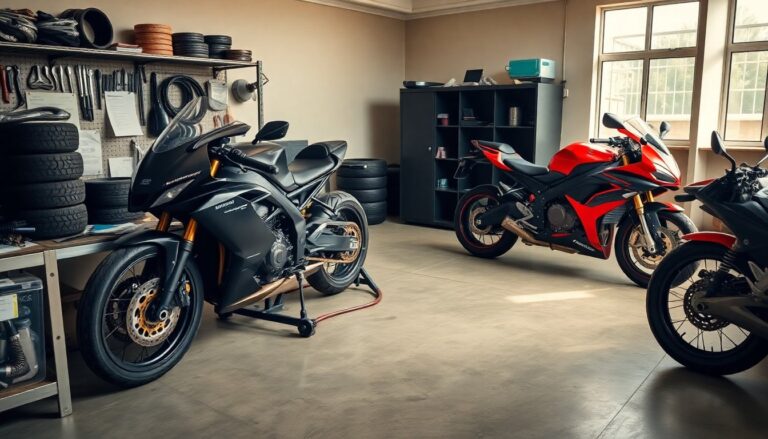
Who: Independent dealers with deep connections to private collections and racing teams. What: They source rare or high-spec models, authenticate provenance, perform comprehensive mechanical reconditioning and offer race preparation or museum-grade preservation. Where: Transactions and preparatory work typically occur at dedicated workshops and private storage facilities linked to dealers. Why: A single buyer cohort now values both track performance and long-term resale value.
Dealers focus on a narrow range of machines. Their inventory often includes Ducati Panigale V4 R race variants, homologation models and limited-production performance bikes. They vet each example for service history, matching numbers and previous race use. They document work with invoices, photos and dyno reports to protect buyers and justify pricing.
Business dynamics matter. I’ve seen too many ventures overvalue brand cachet without securing steady supply. Growth data tells a different story: dealers that combine reliable sourcing, transparent documentation and specialist engineering reach sustainable demand. Anyone who has run a product-led business knows that product-market fit matters here as much as in software.
Operationally, dealers split offerings into two clear pathways. One path targets collectors with conservative reconditioning and long-term preservation. The other prepares machines for track use, adding safety wiring, suspension tuning and race electronics while respecting homologation limits. Each pathway requires different labour, parts inventory and warranty policies.
Case study: a dealer sourced a limited-run homologation model from a private collection. The team verified frame and engine numbers, replaced wear items with OEM parts, and supplied a full logbook and dyno sheet. The bike sold both to a collector seeking provenance and to a privateer wanting a race-ready platform. That dual outcome depends on disciplined restoration and airtight paperwork.
Practical lessons for founders and buyers:
- Prioritise provenance. Matching numbers and documented service history preserve value.
- Separate product tracks. Define clear preservation and race-prep offerings with distinct pricing.
- Invest in documentation. Invoices, photos and dyno reports reduce buyer uncertainty.
- Manage parts and service capacity. Limited models need OEM spares and specialist technicians.
Dealers who master these elements create a narrow but resilient market niche. The economics hinge on scarcity, technical credibility and the ability to prove both track readiness and collectible authenticity. The next wave of demand will reward those who can scale those capabilities without diluting quality.
As demand scales, specialist dealers turn single transactions into ongoing technical partnerships. Each motorcycle is inspected and prepared to exacting mechanical and cosmetic standards. Listings include full disclosure on modifications, race history and maintenance. Buyers receive not only a high-spec machine but also access to technical support, race setup advice and after-sales assistance to keep the bike performing on track.
Services and buyer expectations
Serious buyers—racers seeking championship-capable equipment and collectors seeking blue-chip examples—prioritise three things: provenance, preparation and post-sale support. Reputable dealers supply clear ownership and service histories. They provide professional preparation records and offer delivery or integration into a racing programme when required. The sale frequently evolves into a managed relationship aimed at preserving performance and value.
I’ve seen too many teams and businesses fail to scale bespoke services without eroding quality. Anyone who has launched a product knows that reliable follow-up support is where reputations are won or lost. Dealers that maintain meticulous preparation while scaling logistics will be best positioned as demand grows.
What KTM learned at Buriram and why it matters
Red Bull KTM Factory Racing and Red Bull KTM Tech3 used the chang international Circuit test to validate development choices for the RC16. Engineers focused on aerodynamic packages, chassis settings and tire behaviour under high track temperatures. The exercise aimed to turn test data into reliable race setups ahead of the season opener.
Pedro Acosta led the on-track work with runs that combined raw pace and consistent race simulation laps. He completed both sprint-style stints and long-distance runs to stress tires and confirm setup stability. Those runs placed him among the session’s quickest, reinforcing confidence in the package’s potential in race conditions.
Team takeaways and rider feedback
Engineers reported clear guidance on wing profiles and chassis stiffness. Small aerodynamic revisions produced measurable changes in mid-corner balance and straight-line stability. Mechanics flagged damping and preload changes that improved rear grip during long runs.
Rider feedback stressed progressive front feel and predictable rear traction across thermal cycles. Acosta’s input helped reconcile simulator predictions with on-track sensations. That alignment reduced setup variance between sprint simulations and endurance-like stints.
Tyre data revealed faster degradation under prolonged heat than expected. Lap-time windows tightened earlier in long runs, forcing teams to consider conservative tire maps and revised stint strategies. Pitwall telemetry confirmed the need to protect the rear in temperatures above typical European race conditions.
I’ve seen too many teams chase incremental upgrades without clear exit criteria. At Buriram, KTM defined simple success metrics: consistent lap delta across stint lengths, repeatable rider feedback and measurable aero gains at race pace. Those criteria turned a routine test into a decisive validation exercise.
For teams and dealers preparing customer bikes, the Buriram lessons are practical. Prioritise chassis balance and tyre preservation over marginal straight-line gains. Validate setups in both sprint and long-run formats. Focus on repeatability, not one-off lap times.
Growth data tells a different story: reliability and predictable handling translate directly into lower service demand and higher customer satisfaction. Anyone who has launched a product knows that predictable performance reduces support costs and speeds adoption.
The test left KTM with a clearer development roadmap: refine aero for mid-corner stability, tune damping for thermal resilience and adopt conservative tyre strategies for heat exposure. Those adjustments offer a tangible path from test pace to race competitiveness.
Those adjustments offer a tangible path from test pace to race competitiveness.
Brad Binder posted meaningful gains after a series of parts trials and a setup change that cut lap times. The change also improved tire durability on longer runs. That addressed a clear weakness from earlier events and signalled progress from the factory crew. At Tech3, engineers and riders prioritised race behaviour over outright single-lap speed. Consistency in sprint simulations and physical readiness were treated as the primary metrics of improvement.
Technical focus areas
KTM engineers concentrated on aerodynamics, chassis tuning and optimising Michelin tire performance in hot conditions. The final test before homologation remains decisive because it locks components and development directions for the near term. Small gains in braking feel, aero stability or tire life can produce larger advantages on race day.
How market offerings and factory development feed each other
Factory development informed the parts that reached customer machines. Suppliers and market models, in turn, provided real-world feedback that steered factory priorities. That loop is increasingly important when homologation windows shorten and tolerance for errors shrinks. I’ve seen too many projects chase headline lap times without securing race reliability; the numbers often tell a different story.
Data from longer runs, stint consistency and component wear now carry as much weight as peak performance figures. Teams that convert isolated test gains into robust race solutions reduce their operational risk and preserve development capital. The path from prototypes to catalog parts follows clear commercial constraints: production readiness, supplier capacity and homologation timing shape technical choices.
Examples from recent sessions show how a tyre-related improvement at the factory led to revised front-end geometry on customer bikes. That change improved tyre life across both squads and narrowed the performance gap during long race simulations. Lessons learned in these tests will inform setup guides and parts lists distributed to satellite teams.
How dealers and factories keep development moving
Lessons learned in these tests will inform setup guides and parts lists distributed to satellite teams. Specialist dealers turn those guides into ready-to-fit packages for privateer teams, gentleman racers and collectors. Factory programs feed test telemetry back into engineering cycles that produce validated upgrades for aftermarket suppliers and performance-focused owners.
Buyers demand transparency on provenance and modifications. Teams require tight feedback loops between rider impressions, telemetry and component development. That combination forces dealers to offer technical guidance and prompts factory outfits to run exhaustive validation programs.
I’ve seen too many programs chase headlines rather than usable data, and the same applies to motorsport parts. Growth data tells a different story: upgrades spread when they reduce lap time reliably and simplify setup. Anyone who has managed product development knows that a part without clear validation is a liability on the grid.
Practical result: the constant exchange of parts, data and user feedback accelerates iteration. Expect more modular components and clearer documentation from both specialist dealers and factory-backed suppliers as teams insist on repeatable gains.
Preparation, data and aftercare define long-term value
Whether buying a hand-built Ducati with documented race history or observing a factory squad refine its MotoGP contender, the priorities remain the same. Teams and dealers must deliver meticulous preparation, transparent setup information and support beyond the sale. Those elements sustain on-track performance and preserve value off the track.
How the pieces fit together
Specialist dealers translate factory test notes into actionable setup sheets and service packages. Factory-backed suppliers provide modular parts and clearer documentation so teams can replicate gains. This creates a recurring loop of improvement that benefits riders, squad engineers and collectors.
Lessons from the pit lane
I’ve seen too many projects stall for lack of honest data and repeatable procedures. Reliable lap-time explanations beat neat marketing every time. Anyone who has launched a product knows that clarity on maintenance schedules and parts interchangeability reduces total cost of ownership.
Practical implications for buyers and teams
Buyers should demand full service histories and reproducible setup files. Teams should prioritise suppliers who commit to post-sale support and versioned documentation. Collectors gain from machines that come with traceable development records and accessible spares.
Expect more modular components and more explicit documentation as teams insist on repeatable gains. The market will reward machines and vendors that treat engineering knowledge as part of the product, not an optional add-on.