
Argomenti trattati
The team at MotoAmerica has long maintained that the series depends on its competitors: riders are the lifeblood of the paddock and the organization publicly champions their safety and welfare. That commitment is more than rhetoric — it reflects a culture where everyone from organizers to volunteers recognizes that without competitive riders there is no championship to stage. Inside the paddock you hear a simple refrain attributed to the series president: “How bad do you want it?” That question captures the dedication expected of racers and the empathy MotoAmerica extends to those who struggle to finance a season.
That phrase is inseparable from the story of Wayne Rainey, whose career achievements include two AMA Superbike titles and three 500cc Grand Prix world crowns, and whose competitive fire later focused on preserving motorcycle road racing in the United States. With partners Chuck Aksland, Richard Varner and Terry Karges, Rainey helped relaunch the national championship under what fans now know as MotoAmerica. Their work created the platform where professional and privateer racers coexist, and where small acts of generosity can directly affect a rider’s ability to continue pursuing results on track.
Why privateer support matters
Not every competitor in the paddock races with factory backing; many are privateers who patch together budgets from day jobs, sponsorship hustles and personal sacrifice. Some riders sleep in their vehicles between rounds, others prioritize training and fitness over comfort because every dollar is invested back into their machines. For this reason the organization and fans have sought ways to create targeted assistance. The Privateer Support Program was conceived as a focused, charitable arm of the broader VIP Superfan Experience, designed to channel grassroots enthusiasm into direct help for riders who carry the financial burden of competing largely on their own.
How a hat became a lifeline at Daytona
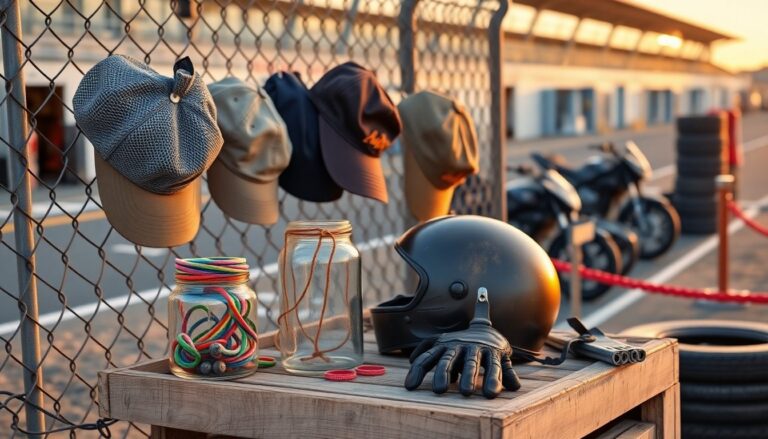
Heading into the opening round at Daytona, the program produced a simple fundraising idea: a run of custom-embroidered hats featuring the MotoAmerica and VIP Superfan logos, plus a mark indicating they supported the Privateer Support Program. Ron Heben — affectionately known in the paddock as the man in the red jacket and the architect of the VIP Superfan Experience — sold those hats to visiting fans. The response was immediate and enthusiastic: the hats sold out, and the proceeds amounted to $2,525.00, a sum that was then awarded, by random selection, to a single rider from the paddock.
The chosen rider and the moment
Twins Cup competitor Eli Block was the name drawn from hundreds of entrants and thus became the first beneficiary of this grassroots push. He received the donation in cash and check form, and he was visibly surprised and grateful; in his words the recognition was an unexpected highlight of Daytona. The donation will be applied directly to the needs of his race program, reinforcing the practical purpose of the initiative: to provide tangible, race-season assistance rather than abstract support. That immediacy is what makes the project meaningful for both riders and fans.
Next steps and how to help
Encouraged by the initial success, program organizers are preparing additional hat runs for upcoming rounds, including supplies planned for Michelin Raceway road atlanta. The hope is that as awareness grows more VIP Superfans will participate, creating a multiplying effect that benefits more privateers over the season. For supporters who want to contribute, the model is straightforward: purchase program items, participate in events where proceeds are collected, or spread the word so organizers can scale the idea. The long-term aim is to make the Privateer Support Program a reliable channel for redistributing fan enthusiasm into rider stability.
A final note of gratitude
MotoAmerica extends thanks to the Daytona attendees who embraced the new program and filled every hat order, and to Ron Heben for translating a simple concept into a concrete benefit. The series continues to remind everyone that riders are its greatest asset, and that small acts by committed supporters can meaningfully change a competitor’s season. Watch for more fundraising activations at future rounds, and know that when fans step up in practical ways they answer the question “How bad do you want it?” with action rather than words.