
Argomenti trattati
Addressing the need for personalized healthcare
Problem: The increasing demand for personalized healthcare underscores the necessity for efficient patient monitoring systems. Chronic conditions such as diabetes and hypertension require continuous oversight to avoid complications and improve patients’ quality of life. Traditional monitoring methods often prove inadequate, resulting in suboptimal patient outcomes and escalating healthcare costs.
Innovative solutions through digital health technologies
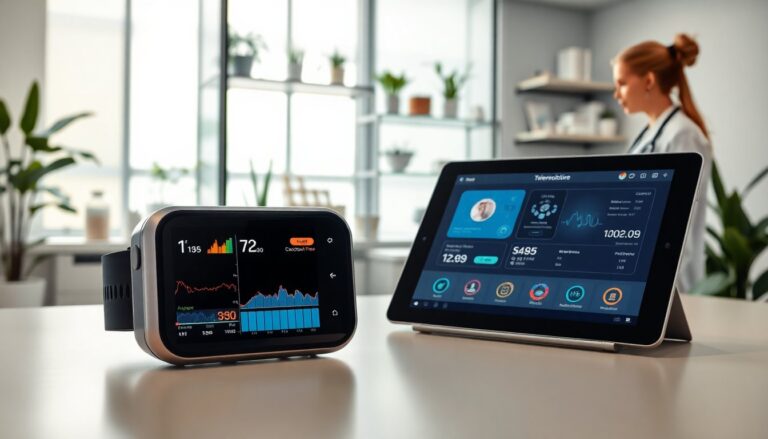
Proposed solution: Digital health technologies, including wearable devices and mobile health applications, provide innovative approaches for real-time patient monitoring. These tools empower patients to monitor their health metrics while enabling healthcare providers to access data remotely, promoting a proactive approach to patient care.
Supporting scientific evidence
Scientific evidence: Recent clinical trials demonstrate that digital health interventions can considerably enhance patient adherence to treatment regimens. A study published in Nature Medicine revealed a 30% improvement in medication adherence among patients using mobile health applications compared to those following traditional monitoring methods. Additionally, real-world data indicate that patients employing wearable devices experience improved management of their conditions, resulting in fewer hospitalizations.
Impact on patients and healthcare systems
Implications for patients and healthcare systems: The integration of digital health solutions not only boosts patient engagement but also alleviates pressure on healthcare systems. By providing timely data, healthcare providers can make informed decisions, ultimately enhancing patient outcomes. However, ethical considerations regarding data privacy and security must be addressed to maintain patient trust and compliance.
Looking ahead: Future advancements in digital health
Future perspectives: As technology continues to advance, further developments in digital health solutions are anticipated. The future may witness the integration of artificial intelligence to predict patient needs and tailor treatment plans accordingly. Ongoing research and collaboration between technology developers and healthcare professionals will be crucial to unlock the full potential of these innovations.