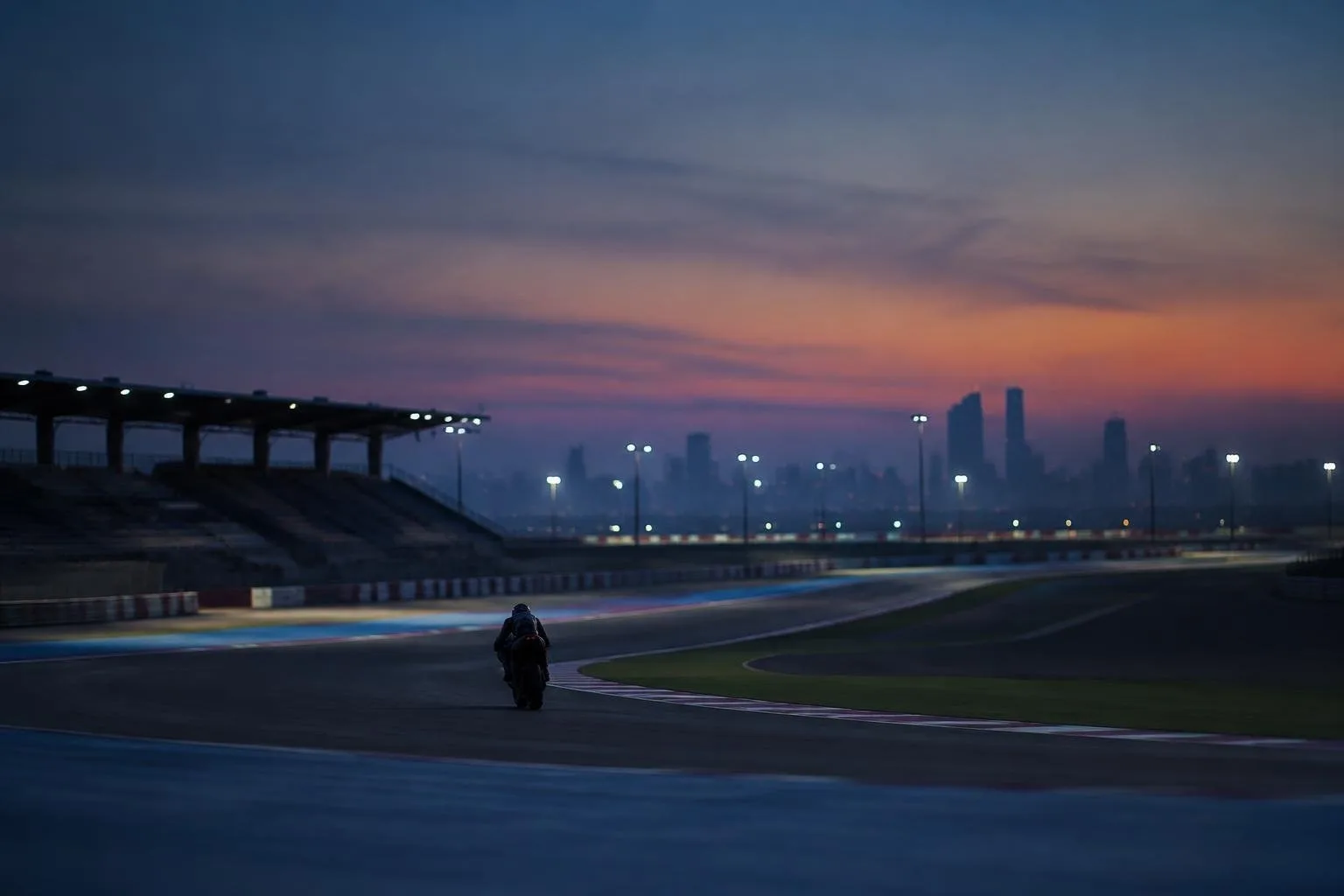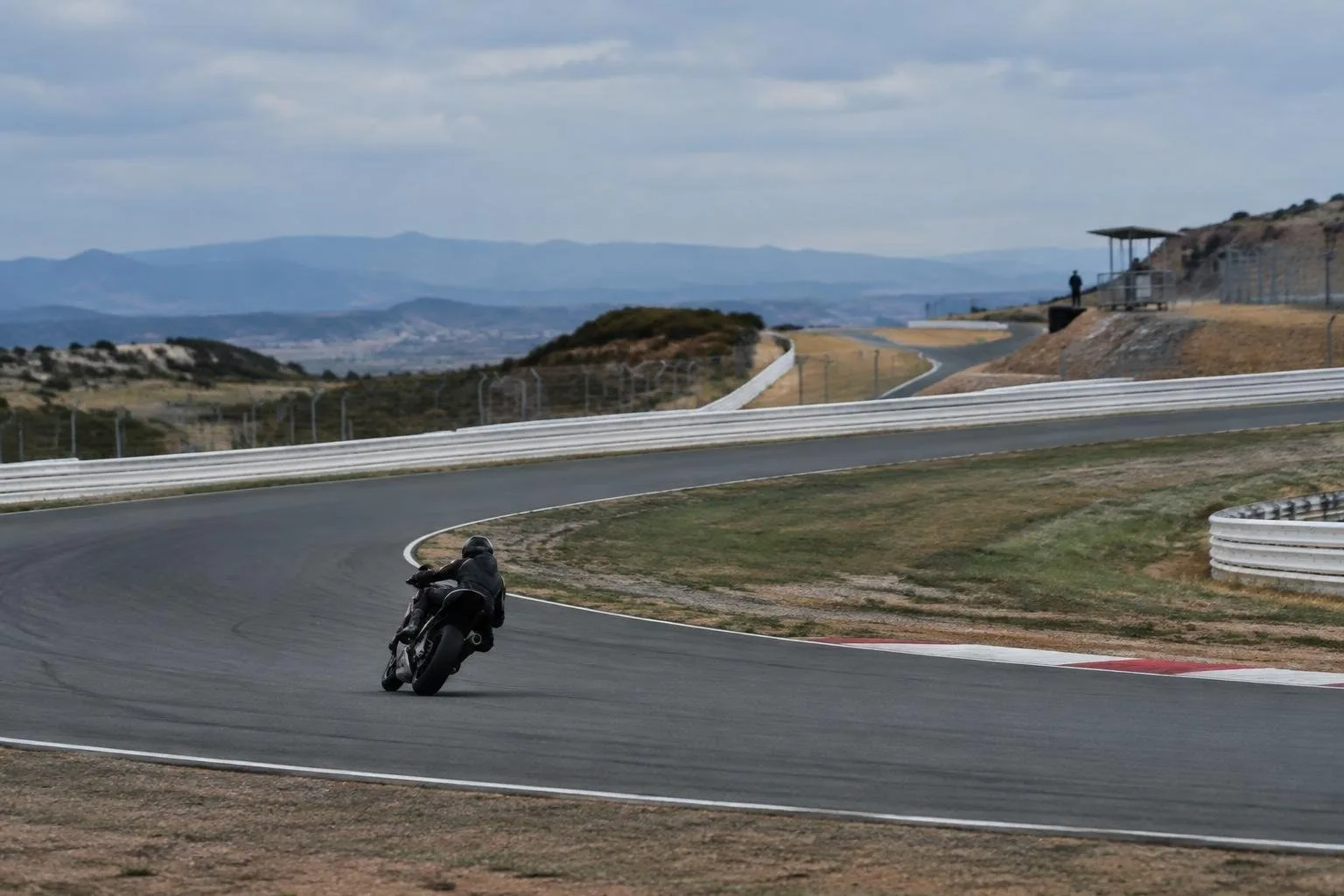
The California Superbike School (CSS) has become synonymous with systematic motorcycle track instruction. Originating from one-on-one lessons in the mid-1970s, the organization now runs dozens of courses each year across several continents. Its core belief is that riding skill can be broken into discrete, teachable elements, and that each rider, whether a weekend enthusiast or a factory racer, benefits from a clear progression path. This philosophy underpins every session, from the introductory day at a local circuit to the intensive two-day camps held on world-class tracks.
History and philosophy of the school
Keith Code, the man behind the method, began offering private instruction in 1976 when no formal program existed for advanced motorcyclists. By 1980 he had founded the first official school, and today CSS is the largest track school on the planet. Code’s approach separates the mental and physical aspects of riding, translating complex concepts into repeatable drills. Books, videos and on-track courses spread his ideas, creating a universal language that links novice road riders to seasoned champions.
Four-level track curriculum
The curriculum is divided into four sequential levels. Riders must complete Level 1 before moving to Level 2, and so on, with each level finished in a single day. Levels 1 through 3 each contain five focused technical skills, totaling fifteen drills that build on one another. Level 4 shifts to a personalized program that targets the individual’s remaining gaps. Throughout the day, a coach follows each rider, offering instant critique so the student knows exactly what to refine for the next lap.
Coaching method and safety emphasis
Safety is embedded in every aspect of CSS training. All sessions take place on a closed circuit with clearly marked boundaries, and coaches remain on-track to intervene if needed. Each lesson concentrates on a single skill, preventing information overload and ensuring mastery before adding new elements. After every on-track run, the coach provides a debrief, highlighting strengths and pinpointing errors. This real-time feedback loop fosters rapid improvement and builds confidence, a promise that the school backs with a guarantee of measurable progress.
Inside a two-day camp at Ridge Motorsports Park
One of the most popular offerings is the two-day camp held at Ridge Motorsports Park in Shelton, Washington. The 2.47-mile, 16-turn circuit features 300 feet of elevation change, blind crests and fast sweepers, providing a demanding environment for skill development. Participants receive seven track sessions per day, riding either a supplied BMW S 1000 RR, a smaller G 310 R, or their own motorcycle. The student-to-coach ratio drops to 2:1, allowing more individualized attention. The schedule alternates classroom briefings (covering vision, body position and throttle control) with on-track drills, all under the watchful eye of coaches trained in the Code method.
Results, guarantees and why riders return
CSS guarantees that every participant will leave a better rider, regardless of starting level. The claim is supported by repeat statistics: roughly two-thirds of riders who finish Level 1 enroll in Level 2 within a year. Upon completion, riders receive certificates and a compact reference guide summarizing the key drills. The combination of structured progression, hands-on coaching and a proven safety framework explains why many riders consider the school a worthy investment in their riding future.