
Argomenti trattati
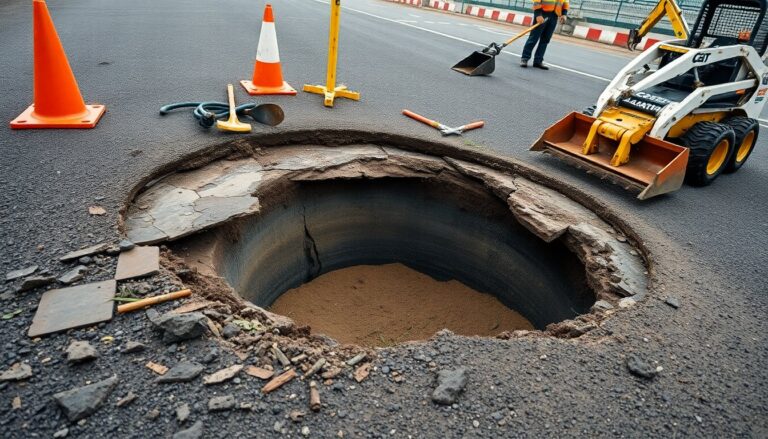
The weekend at the Autódromo Internacional de Goiania – Ayrton Senna was marked by unexpected track problems that disrupted the program and prompted an immediate safety response. A sinkhole appeared on the start/finish straight after qualifying when an undocumented, buried sewage pipe collapsed under the surface; circuit crews acted quickly to repair that defect and get the schedule moving again. Later, after the support categories had run, visible asphalt degradation in other parts of the layout raised fresh concerns about surface integrity and rider safety.
With live racing about to begin, Race Direction assessed the situation and made the difficult call to reduce the premier-class distance to 23 laps—equivalent to 75% of the original race length—in order to prioritize safety while still allowing the event to finish under competitive conditions. Teams were informed on the grid by IRTA personnel, and the series has since published a full account of the causes, the steps taken onsite and the next actions planned for the circuit.
What caused the failures at Goiania
Investigations pointed to a combination of factors rather than a single fault. The initial, dramatic defect was traced to the collapse of an undocumented sewage conduit beneath the track surface, which produced a localized sinkhole that fortunately formed off the racing line. Separately, sections of the tarmac suffered localised asphalt degradation after sustained heat and heavy track activity from the support races. Organisers also noted that unusually heavy rainfall in the run-up to the weekend interfered with final construction works and likely contributed to the vulnerability of recently placed asphalt mixes.
Operational response and the decision to shorten the MotoGP race
Crew members worked up to the start time to remove loose aggregate and repair damaged areas, but Race Direction judged there remained a measurable risk of further delamination during the premier event. To reduce the exposure window while preserving a meaningful competition, officials trimmed the distance to 23 laps. That figure corresponded to the championship’s threshold for awarding full points and allowed the race to proceed with a controlled safety margin. Communication to teams was carried out directly on the grid, though timing of the notice drew criticism for being late in the pre-race sequence.
Immediate repairs and timetable disruption
Repairs after the sinkhole required concrete and pavement work, which delayed the sprint session; reports indicate the sprint began roughly 80 minutes later than planned while Moto2 qualifying moved to the following morning. Despite rapid work by circuit staff, the surface continued to shed small stones in places, a hazard when fragments are picked up by following motorcycles. Series officials prioritised preventing further incidents by reducing race duration instead of risking additional material breakaway under full race loads.
Homologation, oversight and next steps for the circuit
The governing bodies have reiterated how the circuit approval process operates. The FIM-managed homologation procedure starts well in advance of a grand prix, with detailed inspections of construction work and safety elements. However, final approval for a venue often occurs shortly before the event, and variations in local asphalt specification and laying technique are proposed by the circuit and reviewed by the inspectors. The statement emphasises that asphalt mixes and methods are determined locally and presented to the FIM to meet safety requirements before homologation is confirmed.
Planned remediation and assurances
Promoter and circuit officials have accepted responsibility for the problems identified and have committed to addressing them before motogp returns next season. Remedial work is expected to include targeted resurfacing and repairs where the pavement showed weakness, along with verification of buried infrastructure to prevent future collapses. The weekend still drew strong spectator interest, with 148,384 fans attending, underlining MotoGP’s growth in the market and the importance of ensuring the venue is reliable for future visits.
While the immediate priority was rider safety and finishing the event with minimal disruption, the incident has also reopened broader conversation about timing of final homologation, local responsibility for surface specifications, and how the inspection process can catch these risks earlier. Organisers say lessons have been learned and concrete steps will follow to restore confidence in the track before the championship returns.