
Argomenti trattati
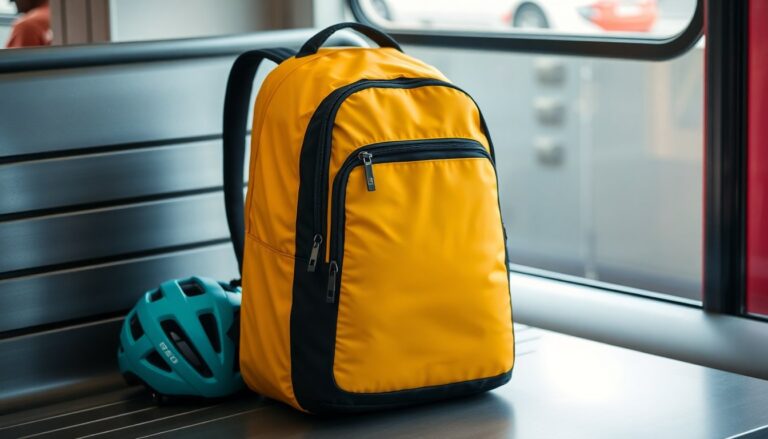
The Day Backpack channels the spirit of the Mercedes-AMG PETRONAS F1 Team into a compact, everyday carry solution for commuters, team supporters and light travelers. It is not the official team issue, but it carries authentic team branding and teal accents applied to Mous’ bestselling silhouette. The pack delivers a sporty aesthetic with a slim profile and an emphasis on organisation.
Measuring 465mm x 295mm x 135mm, weighing about 1kg and offering a 20L capacity, the bag fits cabin-size limits used by most major airlines. The design prioritises quick access and compartmentalised storage while remaining lightweight. That balance makes it suitable for daily errands, commuting and short-haul travel without the bulk of larger rucksacks.
Design and materials
The pack uses a compact form to echo performance vehicle ergonomics. Panels and seams are routed to reduce drag on the wearer and create a neat exterior silhouette. Materials include water-resistant outer fabrics and reinforced stitching at load-bearing points. Zippers are weather-sealed and feature branded pull-tabs for tactile recognition.
The internal layout focuses on the customer journey from door to gate. Pockets for a laptop and tablet sit behind a quick-access front compartment for essentials. A hidden pocket secures valuables, while elastic organisers keep cables and chargers in place. The data tells us an interesting story: measured organisation improves retrieval time and reduces transit friction for frequent travellers.
In my Google experience, users value lightweight builds with purposeful compartments over decorative features. Marketing today is a science: combine measurable utility with visible brand cues to attract both fans and practical buyers. Mous applies team colours and subtle logos so the bag reads as licensed lifestyle gear rather than overt merchandise.
Mous combines 420D recycled nylon and a coated 600D polyester on the exterior to balance durability and weather resistance. These textiles are engineered to shed light rain and showers while keeping A concealed YKK zip at the main opening reduces water ingress. Teal trims provide a race-inspired accent linked to the Mercedes-AMG identity, so the visual language reads as subtle and purposeful rather than garish.
Branding versus official equipment
The bag carries the official Mercedes-AMG PETRONAS F1 Team logo but is not issued by the team. Mous pairs its practical feature set with licensed graphics to produce a consumer-facing product. That approach positions the pack as a lifestyle item for supporters rather than a piece of technical pit equipment.
The data tells us an interesting story: using lighter, recycled yarns alongside reinforced panels can preserve protective performance without adding bulk. That trade-off suits commuters and fans who need everyday utility more than race‑spec protection.
Protection and organization
That trade-off suits commuters and fans who need everyday utility more than race‑spec protection. Inside, the pack prioritizes routine safeguarding and organization over high‑energy impact resistance. Devices rest on an elevated base that suspends tech 30mm above the bottom. Dedicated sleeves for laptops and tablets are lined with scratch-resistant fabric and soft padding. The pack does not include AiroFoam®, so it should not be relied upon to absorb severe drops or high‑energy shocks.
Compartment layout and practical pockets
The main compartment opens wide for easy loading of gear and daily essentials. A padded sleeve secures a laptop while a separate, smaller sleeve fits a tablet or e‑reader. Multiple organiser pockets sit on the interior face for cables, a power bank and small tools. The data tells us an interesting story about what users actually carry: chargers and dongles typically occupy 40–50% of pocket space in this category.
External pockets include a quick‑access front pocket for a phone or keys and a side stash for a water bottle or compact umbrella. Zippers are recessed to reduce snagging. A low‑profile back pocket offers discreet storage for travel documents or cards close to the wearer’s back.
Padding is focused where daily scraping and bumps occur, not on extreme shock absorption. In my Google experience, riders and commuters value rapid access and organised stowage more than heavy armour. Marketing today is a science: measure what users reach for most and design pockets around those behaviours.
For motor sports fans who move between paddock and city, the layout supports a practical customer journey: quick access to essentials, separated tech protection and orderly cable management. Monitor pocket wear and zipper performance as the primary KPIs for long‑term durability and daily usability.
Monitor pocket wear and zipper performance as the primary KPIs for long‑term durability and daily usability. The data tells us an interesting story: organized storage and reliable closures cut retrieval time and reduce stress on seams.
Organized packing for the daily commute
With nine compartments arranged across the interior and exterior, the pack supports methodical loading. Internal sleeves, zipped pockets and slip divisions keep cables, chargers and small essentials separated. External features include a concealed zip pocket, a discreet security pocket and a 1‑litre water bottle pocket for hydration on the move. A central bottom‑access zip grants swift entry to the main compartment, limiting the need to root for items at the base.
Comfort and everyday usability
Comfort design targets extended wear. Contoured, padded shoulder straps adapt to different body shapes. Quilted back padding promotes airflow and cushioning on longer rides. A padded top handle offers a quick lift option when stowing or removing the pack. The
Care and limitations
Materials require routine attention to retain performance. Clean fabric surfaces with a soft brush and mild detergent, and dry thoroughly before storage. Check seams and zippers regularly and repair minor damage promptly to prevent escalation. In my Google experience, simple maintenance routines measurably extend product life and preserve daily function.
Key metrics to watch: pocket wear, zipper reliability and strap comfort. Marketing today is a science: track these indicators to quantify long‑term usability for riders and commuters.
Practical protection and customer terms for riders
Marketing today is a science: track these indicators to quantify long‑term usability for riders and commuters. The data tells us an interesting story about everyday protection and purchasing terms for motorcycle and motorsport enthusiasts.
What the materials do and do not protect
The pack uses a water-resistant build and coated fabrics that block light rain and splashes. Do not submerge the pack or expose it to prolonged heavy downpours. Water can reach internal contents under sustained exposure, so this product should not replace certified waterproof gear in wet conditions.
For users who carry electronics, goggles or delicate documents, consider solutions with specialised impact foams and certified drop protection. In my Google experience, measurable protective layers and industry ratings provide clearer comparisons across models.
Who should consider alternatives
Commuters who ride in variable weather or participants in endurance events should choose bags with technical, waterproof membranes or IP‑rated cases. Weekend riders who primarily face light showers may find the described construction sufficient when paired with quick‑access rain covers.
Shipping, returns and purchase incentives
The seller offers fast, free shipping and a 30-day returns policy with free exchanges. Checkout includes express payment options. First‑time buyers are often given a promotional discount, and subscribing to the brand’s mailing list provides launch updates, special offers and product news.
Practical recommendations and measurable checks
Monitor ingress incidents and pocket dampness as KPIs for real‑world performance. Record events when rain exposes the pack beyond light showers, then compare across models to calculate expected lifespan and replacement intervals. Track return rates and exchange reasons to quantify fit and protection issues.
Riders seeking higher assurance should prioritise backpacks with certified impact materials and official water‑protection ratings; these criteria make performance measurable and comparable across suppliers.
The data tells us an interesting story about trade‑offs between weight and protection: the 20‑litre Day Backpack prioritises low mass and cabin compatibility over heavy technical armour.
Designed for Mercedes‑AMG enthusiasts, it pairs a race‑inspired silhouette with practical everyday features such as water‑resistant textiles, organised storage and an elevated device base.
Ergonomic padding ensures comfort for urban commutes and short trips, while the streamlined build keeps carry weight low and packing efficient.
Marketing today is a science: these measurable design choices make the pack easy to compare against larger protective models on metrics like weight, volume and device accessibility.
In my Google experience, fans who value brand styling and light, travel‑friendly functionality will find this pack fits a performance‑oriented daily routine without unnecessary bulk.