
Argomenti trattati
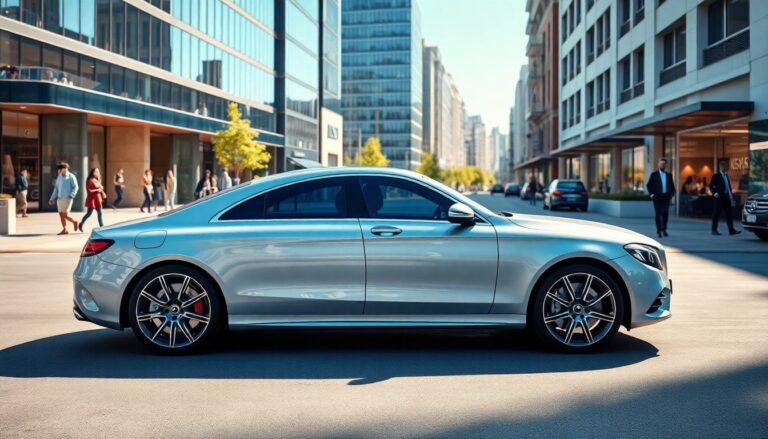
The automotive industry is undergoing a significant transformation, particularly within the luxury segment. Mercedes-Benz is making a notable effort to refresh its flagship model, the S-Class, by introducing an impressive 2,700 enhancements. However, the critical question remains: will these updates be sufficient to reverse the declining sales of this iconic sedan?
As market dynamics shift, the upper premium sector faces challenges that impact not only Mercedes but the entire automotive landscape. In contrast, Renault has successfully launched new models in its European portfolio, including the latest iterations of the Clio and Twingo. In a recent interview, CEO Fabrice Cambolive discussed Renault’s strategic direction for the future.
Mercedes-Benz S-Class: A comprehensive update
The Mercedes S-Class has long represented luxury and innovation. However, the current automotive climate presents challenges that the brand must navigate carefully. With the introduction of 2,700 new features, including advanced technology and enhanced comfort, observers are left to ponder if these changes can reverse the trend of diminishing sales.
Despite extensive updates, market analysts are skeptical about the S-Class’s ability to regain its footing in a competitive environment. The rise of electric vehicles and evolving consumer preferences are compelling traditional luxury sedans to adapt swiftly. As buyers increasingly gravitate toward SUVs and electric options, the S-Class must compete not only with its peers but also with a rapidly changing marketplace.
Technological advancements and features
Among the most significant updates to the S-Class is its redesigned infotainment system, which utilizes cutting-edge artificial intelligence to anticipate driver needs. This system aims to enhance the user experience, making every journey more enjoyable and efficient. In addition, the vehicle includes an array of safety features, such as adaptive cruise control and lane-keeping assistance, ensuring the security of both drivers and passengers.
Furthermore, the integration of sustainability practices in the production of the S-Class reflects a growing trend in the automotive industry. As consumers become increasingly environmentally conscious, the S-Class incorporates sustainable materials and manufacturing processes, aligning with modern values.
Renault’s strategic renewal in Europe
In contrast to Mercedes, Renault has proactively rejuvenated its lineup in Europe. The recent launches of the Clio and Twingo are integral to the brand’s strategy to appeal to a broader audience. CEO Fabrice Cambolive highlighted the significance of innovation and adaptability, emphasizing Renault’s plans to navigate the rapidly evolving market landscape.
Renault’s strategy involves not only introducing new models but also enhancing existing ones. By focusing on efficiency and performance, the brand aims to attract consumers who may have shifted their preferences in recent years.
Future prospects for Renault
Looking ahead, Renault is positioning itself to effectively respond to changing consumer demands. The emphasis on electric vehicles is central to their strategy, with plans to launch a series of new models that cater to the growing interest in sustainable transportation.
Additionally, by prioritizing connectivity and digital features, Renault aims to enhance the driving experience for its customers. The integration of smart technologies into their vehicles is not merely a trend but a necessity in today’s automotive landscape.
As market dynamics shift, the upper premium sector faces challenges that impact not only Mercedes but the entire automotive landscape. In contrast, Renault has successfully launched new models in its European portfolio, including the latest iterations of the Clio and Twingo. In a recent interview, CEO Fabrice Cambolive discussed Renault’s strategic direction for the future.0
As market dynamics shift, the upper premium sector faces challenges that impact not only Mercedes but the entire automotive landscape. In contrast, Renault has successfully launched new models in its European portfolio, including the latest iterations of the Clio and Twingo. In a recent interview, CEO Fabrice Cambolive discussed Renault’s strategic direction for the future.1