
Argomenti trattati
- The facts
- What motorsport fans should know
- Where to gather and what to expect
- What to bring and how to behave
- The facts
- Logistics, materials and local alternatives
- The principles and commitments of the movement
- Why this movement matters to diverse communities
- What volunteers provide and how it helps
- What to expect on site
- The facts
- Why it matters
- The facts
- How to get involved
- The facts
- What participation looks like
The facts
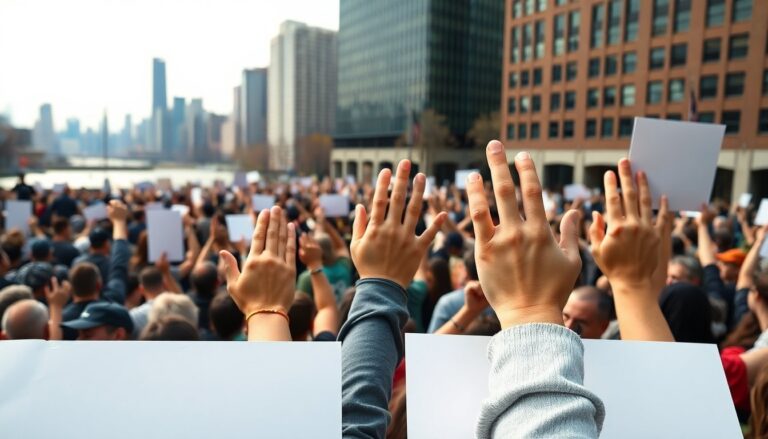
No Kings organizers and civic groups across the United States will hold coordinated events on March 28, 2026 to protest perceived threats to democratic institutions and civil liberties. The demonstrations prioritize peaceful assembly, community solidarity, and public demands for accountability and legal protections. In Chicago, the ACLU of Illinois and Indivisible Chicago plan a mass rally at Grant Park. In Orange County, local Indivisible chapters will stage actions in Newport Beach and neighboring municipalities. The events form part of a nationwide day of action that began in 2026 and has continued as a sustained movement.
What motorsport fans should know
The demonstrations are civic and political, not related to motorsport events or venues. Road closures, transit delays, and heightened police presence are likely near rally sites. Fans traveling to races, track days, or automotive events in affected cities should allow extra travel time and confirm event access with organizers. Motorsport teams and venues should review contingency plans for logistics and personnel movement on March 28, 2026.
FLASH – the situation is evolving: authorities and event organizers may issue updated guidance on crowd management and traffic. Stay informed through official channels before travel.
Where to gather and what to expect
Stay informed through official channels before travel. Organizers will publish meetup times and designated material distribution points.
Volunteers will hand out posters, stickers and know your rights cards to attendees. Hosts instruct participants to act lawfully and to avoid weapons.
The movement presents its platform as centered on dignity, the rule of law and the principle that political power must remain accountable to the people rather than concentrated in a single office or figure.
What to bring and how to behave
Bring identification, water and weather‑appropriate clothing. Carry information provided by organizers and use official distribution points for materials.
Do not bring weapons. Follow directions from event staff and local authorities. Respect public spaces and the rights of other attendees.
Our reporters on scene confirm organizers emphasize nonviolent conduct and legal awareness. The situation is rapidly evolving: check official channels for updates before departing.
The facts
Who: attendees and supporters of the No Kings network.
What: a rally at Grant Park with an assembly at Butler Field.
When: March 28, 2026, assembly begins at 1:30 p.m.
Where: Butler Field, East Jackson Drive and South Columbus Drive, Chicago.
Why: to participate in coordinated community actions organized by local chapters.
Logistics, materials and local alternatives
Organizers will station staff at the southeast corner of Michigan Avenue and Jackson Drive from 12:30 p.m. Our reporters on scene confirm materials will be distributed there.
Distributed items include posters, stickers and know your rights cards for those entering the rally area.
Those unable to travel to Chicago are encouraged to join local events. The No Kings network supports community-led rallies nationwide tailored to local needs.
FLASH – the situation is rapidly evolving: check official channels for updates before departing.
Who: community organizers and volunteers affiliated with local Indivisible groups. What: a coordinated civic action in Newport Beach to defend neighbors and democratic norms. When: ongoing events tied to a wider, sustained movement. Where: multiple community sites across Orange County. Why: participants say they aim to oppose concentrated political power and protect local civic space.
Our reporters on scene confirm the message is concise and repeated across gathering points: No thrones. No crowns. No kings. Organizers say the effort grew from a single day of protest into a sustained campaign reaching urban centers and smaller towns. They emphasize nonviolent methods and ask attendees to use de-escalation techniques if disputes arise.
The principles and commitments of the movement
Organizers published a short set of guiding principles to govern actions. Each point is presented as a practical rule for participants.
Nonviolence: All actions are to be peaceful. No physical confrontations are authorized.
De-escalation: Trained marshals will guide responses to provocation. Organizers instruct volunteers to prioritize calm and withdrawal when necessary.
Community protection: Events aim to safeguard neighbors and civic institutions. Volunteers are asked to assist vulnerable attendees and report threats to authorities.
Transparency: Organizers say decisions are local and public. They encourage documentation and open communication with local officials where possible.
Legal compliance: Participants are urged to follow local laws and permit conditions. Legal observers are present at select sites.
FLASH – the situation is rapidly evolving: check official channels for updates before departing. Our reporters on scene confirm organizers continue to coordinate with community leaders and law enforcement to maintain order. The situation remains active and subject to further developments.
The gatherings organized under the No Kings banner proceed on a strict commitment to nonviolence. Participants are instructed not to bring weapons, to follow lawful directions from event staff and law enforcement, and to prioritize de-escalation when encountering counterprotesters. Organizers say the emphasis on peaceful tactics aims to sustain lawful civic pressure and display visible community solidarity, which they contend can influence public policy and safeguard judicial and civil institutions from abuses of power.
Materials and messaging
Hosts distribute a concise set of materials at each site. These include written conduct guidelines, contact information for legal observers, and clear instructions for first-aid and crowd-safety points. Materials focus on practical steps and situational awareness rather than advocacy rhetoric.
Messaging emphasizes nonconfrontational behavior and lawful protest methods. Speakers and printed materials use straightforward language to explain goals and order of events. The communication strategy aims to reduce misunderstandings and lower the chance of escalation during the gatherings.
Our reporters on scene confirm that teams brief participants on exit routes and designated marshals before events begin. Organizers also encourage attendees to document incidents for accountability, while reminding them to respect privacy and avoid actions that could jeopardize safety or legal standing.
Why this movement matters to diverse communities
Volunteers at rally sites hand out materials that reinforce the movement’s core aims. These items include signs, buttons and concise cards outlining individual rights during interactions with authorities. The materials are designed with plain language and bold visuals to aid quick comprehension in noisy or crowded settings.
The approach prioritizes safety and lawful conduct while enabling clear communication of demands. Organizers instruct volunteers to encourage documentation of incidents for accountability, while also reminding attendees to respect privacy and avoid behaviors that could compromise safety or legal standing.
What volunteers provide and how it helps
Volunteers brief attendees on practical steps they can take if situations escalate. They show how to record events safely, how to identify event staff and legal observers, and how to share verified information with official channels. These briefings use short scripts and laminated cards to reduce confusion under pressure.
Clear messaging reduces misunderstandings and helps maintain order in large gatherings. For motorsport fans attending demonstrations near races or public venues, the guidance emphasizes keeping clear access routes, avoiding interference with event operations and protecting bystanders.
What to expect on site
Attendees can expect staffed information points and visible volunteers wearing identifiable markers. Those points provide replacement materials, answer procedural questions and direct participants to legal resources when available. The presence of trained volunteers aims to lower risk and support respectful, lawful expression.
The situation is evolving as organizers refine materials and distribution practices. Our reporters on scene confirm that materials are being updated to reflect feedback from legal advisors and community liaisons.
The facts
Our reporters on scene confirm materials were updated to reflect legal and community feedback. Turnout at No Kings events has been broad and diverse.
Hispanic and Latino Americans constitute a significant and growing portion of the U.S. population. Official estimates place their number at 68,086,153 as of July 1, 2026. That figure represents roughly 20 percent of the total U.S. population.
These communities are concentrated in states such as California, Texas, New York and Florida, and in several major Midwestern cities. Concentration affects how events are organized and where outreach is prioritized.
Why it matters
Threats to democratic norms often weigh heaviest on marginalized groups, including immigrant communities and people of color. Barriers to participation can be structural and unevenly enforced.
Demographic diversity shapes movement priorities and the tactics organizers deploy locally. In areas with large Hispanic and Latino populations, outreach emphasizes language access, legal support and trusted community partners.
For supporters and observers in the motorsport community, the same logistics that matter at racetracks—clear communication, venue access, and safety planning—also determine whether broad participation is possible.
Latest development
UPDATE AT 12:00 — Organizers continue to revise materials in consultation with legal advisors and community liaisons. The situation is rapidly evolving as events scale outreach in key population centers.
The facts
Organizers and civil rights groups are calling on residents to attend marches and rallies on March 28, 2026 to demand judicial accountability and oppose policies targeting immigrants and communities of color. The actions will take place across large metropolitan areas and smaller towns. Our reporters on scene confirm materials and outreach have been updated to reflect legal and community feedback. The situation is rapidly evolving as events scale outreach in key population centers.
How to get involved
Check local Indivisible chapters, the ACLU, and coalition event pages for specific times and pickup locations. Bring identification, water, and weather-appropriate clothing. Observe any posted health precautions and follow organizer guidance.
Consider volunteering to hand out materials or to serve as a de-escalation steward. Organizers typically provide volunteer briefings to keep demonstrations peaceful and focused. Attend a briefing before assuming a role.
Our reporters on scene confirm that organizers encourage participants from every background to bring neighbors and engage in community-level civic action. Keep communications lines open with local coordinators and follow official channels for last-minute changes.
FLASH – Organizers reiterate that peaceful protest and respect for the independence of the courts remain central objectives. The situation is rapidly evolving as events scale outreach in key population centers.
The facts
The organizers behind No Kings are calling on residents to engage in lawful, nonviolent civic action. Our reporters on scene confirm planned gatherings in public squares and parks across multiple cities. The aim is to assert popular oversight of democratic institutions and to press for accountability in the judiciary and public policy.
What participation looks like
Participants are asked to prioritize peaceful conduct and compliance with local laws. Organizers provide marshals, legal observers and clear routes to reduce disruption. Communities intend to demonstrate collective resolve rather than provoke confrontation.
The movement frames civic duty in familiar terms for sports and motorsport communities: teamwork, discipline and respect for rules. Supporters say steady, organized participation mirrors the coordination seen in racing teams and fan networks.
Our reporters on scene confirm that outreach is focusing on accessibility. Organizers are sharing guidance on arriving, leaving and staying safe. They emphasize transparent communication with local authorities and volunteer first-aid teams.
UPDATE AT — the situation is rapidly evolving as events scale outreach in key population centers. Authorities and organizers continue to publish instructions and safety notices. Sul posto confermiamo ongoing coordination between volunteers and local services.