
Argomenti trattati
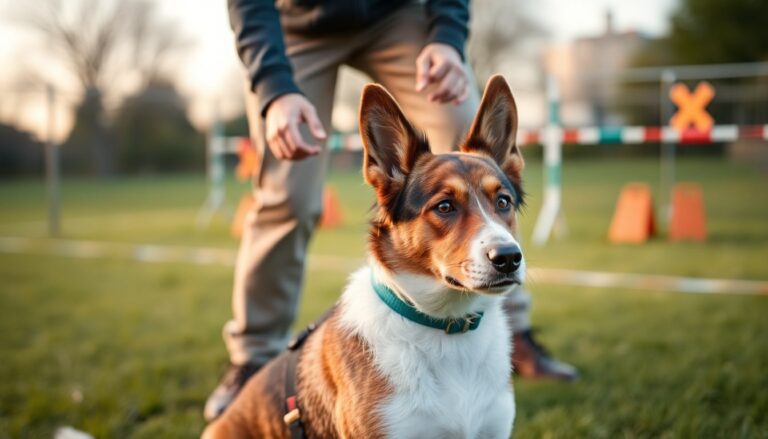
Rally obedience is a hands-on dog sport that pairs handler and dog on a marked course of stations. At each station, teams follow posted instructions that call for specific behaviors, such as a sit, a down, or a precise turn. The emphasis is on smooth teamwork, clear cues, and accurate execution rather than raw speed. This format suits owners who want a structured activity that reinforces everyday manners while delivering the focused excitement of a sport.
Classes are built so handlers of varied experience can progress together. Whether the goal is competition titles or simply to add variety to a training routine, rally provides staged learning opportunities and measurable skills gains. The environment intentionally lowers pressure and centers on positive reinforcement to encourage reliable responses from dogs. Emerging trends show growing interest in dog sports that combine practical obedience with playful engagement.
What to expect in a rally obedience class
Emerging trends show growing interest in dog sports that combine practical obedience with playful engagement. In a typical rally obedience session, instructors arrange a short course of numbered stations laid out on a field or indoor hall. Each station carries a concise sign instructing a specific movement or behavior. Handlers read the sign, deliver the appropriate cue, and guide their dog through the task.
Structure and pacing
Coaches focus on communication skills. They demonstrate body language, voice cues, and precise timing so teams navigate the course with clarity. Sessions are deliberately paced to balance instruction, practice, and short feedback rounds. That pacing helps teams correct errors immediately without breaking concentration.
Exercises are scaled to the class level. Beginners repeat core sequences until fundamentals are reliable. More experienced teams work on tighter precision and smoother transitions between stations. Instructors often group similar stations together to rehearse specific skills before running a complete course.
The future arrives faster than expected: trainers increasingly integrate brief video reviews and real-time metronome or clicker cues to refine timing. According to MIT data on skill acquisition patterns, short, frequent repetitions with immediate feedback accelerate learning. Who benefits most? Teams that practice structured, focused sessions see measurable improvement in control and confidence.
Practical preparation matters. Arrive with a simple, consistent cue set and a plan for incremental difficulty. Coaches recommend two-to-three short runs per session, punctuated by targeted drills. This approach preserves engagement while building the precision required for advanced courses.
Lesson format and training goals
Handlers and dogs progress through short cycles of demonstration, guided practice and timed run-throughs. Instructors break complex maneuvers into incremental steps and offer immediate corrective feedback. Many sessions open with brisk warm-ups that reinforce basic obedience and attention drills to prime dogs for task sequences. Repetition paired with gradually increased difficulty builds reliability while avoiding handler or canine overload.
Who can join and prerequisites
Participation requires dogs to be at least 6 months old to reduce injury risk and ensure basic physical maturity. Teams should arrive able to perform reliable sit, down and stay responses, and to walk politely on leash. These baseline skills allow instructors to focus on rally-specific techniques rather than remedial obedience.
Why this structure matters
Short drills maintain engagement and accelerate skill acquisition. The future arrives faster than expected: as interest in dog sports grows, instructors are adapting training to balance speed of learning with long-term consistency. Emerging trends show practical, bite-sized rehearsal produces more durable results than long, unfocused repetitions.
Fitness and temperament considerations
Emerging trends show practical, bite-sized rehearsal produces more durable results than long, unfocused repetitions. Dogs with moderate fitness and stable temperaments adapt best because instructors can scale activity and intensity. Handlers should assess cardiovascular fitness, joint health and heat tolerance before escalating runs.
Dogs that remain calm in group settings and accept gentle redirection typically progress faster. If a dog displays unresolved aggression, severe fear or chronic reactivity, instructors usually recommend targeted behavior work first. Private lessons or a behavior-focused program can address triggers and build reliable responses before introducing full courses.
Course designers can modify sequences to reduce sensory overload. Shortened stations, quieter venues and staggered starts preserve safety and maintain engagement for sensitive dogs. The aim is clear: protect participants, encourage correct choices and promote transferable manners.
Benefits of rally for you and your dog
Rally builds teamwork by training handlers to read canine cues and anticipate readiness. Each station requires a distinct response, so teams practice fast transitions and precise timing. Those skills translate directly to everyday situations such as leash walking, recall and calm entry through doors.
The structure reinforces positive reinforcement and situational awareness. Handlers learn to reward desired behaviors immediately, which accelerates learning and reduces reliance on corrections. The result is a more responsive dog and clearer communication between handler and animal.
For motor sport enthusiasts, rally offers a familiar rhythm. Think of the handler–dog pairing as a pit crew: coordinated, cue-driven and focused on efficiency. This analogy helps teams apply principles of rapid decision-making and calm execution from the track to training fields.
Who does not benefit are dogs with unmanaged medical or severe behavioral conditions. Proper veterinary clearance and early behavior intervention increase the likelihood of success. Teams that prepare methodically see steady gains in obedience, confidence and mutual trust.
Teams that prepare methodically see steady gains in obedience, confidence and mutual trust. Emerging trends show that activities combining physical challenge with cognitive tasks accelerate skill retention. The sport delivers mental stimulation and a clear sense of accomplishment. It rewards creativity in handling and values steady progress over perfection. For many owners, the shared challenge and friendly atmosphere sustain consistent training and make practice enjoyable.
How to sign up and what support is available
If you are ready to begin, call the training desk at 773-961-8880 ext. 1. Training Ambassadors — Tristin, Robin, or J — will answer questions, review requirements, and assist with registration. They can recommend the best starting class based on your dog’s age, experience and temperament. Enrollment conversations are informal and supportive; the aim is to find the right fit for each handler-and-dog team. The future arrives faster than expected: early, well-matched placement reduces dropout and accelerates progress.
Training support and targeted sessions
The future arrives faster than expected: early, well-matched placement reduces dropout and accelerates progress. We offer access to a team of experienced, award-winning trainers who manage a range of behavior concerns. Staff recommend targeted one-on-one sessions when a dog needs additional help before joining a group class. The programme prioritizes fun, safety and respectful learning for every participant.
Rally obedience as a performance discipline
Rally obedience provides structured exercises to hone skills, build confidence and strengthen handler-dog communication. Emerging trends show activities that combine physical challenge with cognitive tasks speed skill acquisition and retention. According to MIT data, blended practice formats often produce faster gains than single-modality training.
Why this matters for competitive and recreational handlers
The class suits those seeking a competitive track and handlers looking for a lively new hobby. Sessions run in a friendly atmosphere and follow clear progress milestones. Training Ambassadors are available to assess readiness and recommend a pathway into rally work.
For teams accustomed to motorsport-style preparation, the parallels are clear: focused drills, iterative feedback and careful pairing of skill level and challenge produce steady improvement. Expect measurable gains in obedience and engagement when training is matched to the dog’s temperament and the handler’s goals.
Plans now emphasize targeted interventions and staged progression. Anticipate broader adoption of mixed-format training and data-driven placement to reduce dropouts and accelerate mastery.