
Argomenti trattati
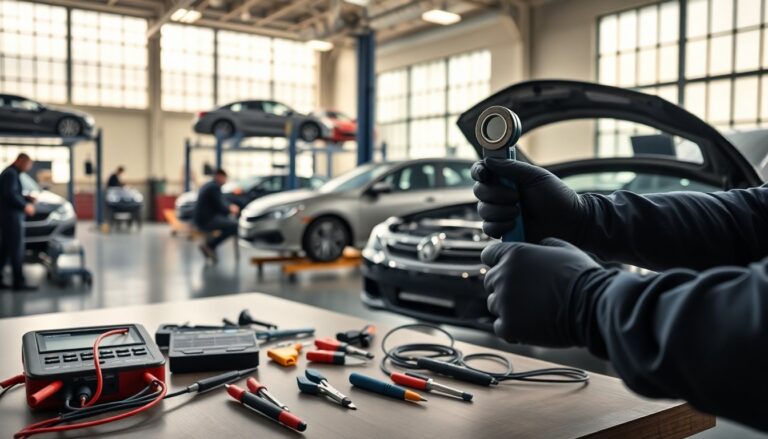
Automotive Technology blends hands-on mechanical work with modern electronics so technicians graduate ready to service today’s complex vehicles. The program balances classroom learning with substantial shop time, giving students practical experience in routine maintenance, electronic diagnostics, safety and emissions inspections, and clear customer communication.
Core technical skills
Diagnostics and tools
Students progress from simulator scenarios to live-vehicle labs, learning to isolate faults across engines, drivetrains, chassis and electrical systems. They trace wiring harnesses, interpret sensor signals, and confirm fixes with test instruments. Familiarity with storage oscilloscopes, onboard scan tools and chassis dynamometers prepares trainees for real shop challenges. Emphasis on safe dynamometer procedures, rigorous electronic-diagnostics workflows and environmentally responsible practices helps form reliable, safety-minded technicians.
Mechanical systems
Hands-on modules cover lubrication and cooling, brakes and suspension, steering, wheels and tires, and full electrical systems including batteries, starting/charging and ignition. Powertrain units examine manual and automatic transmissions, transaxles and driveline components. Throughout, instructors reinforce systematic, safety-first routines that produce consistent, long-lasting repairs.
Applied methods
Students practice structured fault isolation, controlled road testing and manufacturer-recommended troubleshooting sequences. Labs measure outcomes such as first-time fix rate, average repair time and adherence to environmental protocols, allowing instructors to target coaching where it will make the biggest difference.
Professional skills, documentation and compliance
Shop professionalism
A modern technician needs technical skill plus clear paperwork and good people skills. Trainees prepare professional repair orders, parts lists and warranty claims, and learn time-management strategies for busy service bays. Role-playing exercises help them explain diagnoses and repair options to customers in plain, confidence-building language.
Regulatory and environmental responsibilities
The curriculum addresses proper fluid handling, refrigerant recovery, hazardous-waste disposal and other practices regulated by local and national standards. Students repeatedly practice parts traceability, safety logs and warranty documentation until their work meets shop and manufacturer benchmarks.
Assessment and continuous improvement
Programs track measurable indicators—diagnostic accuracy, repair-cycle time, verification pass rates and These KPIs reveal training gaps, guide lab difficulty, and demonstrate program effectiveness to employers.
Certifications and career pathways
Industry credentials
Curriculum aligns with ASE certification objectives and state requirements for safety inspections or emissions testing where applicable. Supervised shop hours and field placements document workplace readiness and make credentialing smoother.
Career progression
The program lays out a clear ladder—from entry-level positions like lube technician to specialist roles (drivability, hybrid systems) and master technician status with experience and certifications. Practical assessments and employer feedback shorten onboarding and improve job placement.
Curriculum structure and progression
Foundations
Early semesters introduce internal combustion fundamentals, chassis service and the technical math needed to measure tolerances and interpret test results. These courses build diagnostic thinking, safe shop habits and the confidence to tackle more complex systems.
Diagnostics and tools
Students progress from simulator scenarios to live-vehicle labs, learning to isolate faults across engines, drivetrains, chassis and electrical systems. They trace wiring harnesses, interpret sensor signals, and confirm fixes with test instruments. Familiarity with storage oscilloscopes, onboard scan tools and chassis dynamometers prepares trainees for real shop challenges. Emphasis on safe dynamometer procedures, rigorous electronic-diagnostics workflows and environmentally responsible practices helps form reliable, safety-minded technicians.0
Program design tips (for educators and managers)
- – Sequence labs so complexity rises each term and skills stack naturally.
- Pair technical modules with measurable assessments: timed diagnostics, error tracking and post-repair verification.
- Use employer advisory boards to shape projects and prioritize equipment purchases.
- Maintain routine safety drills—especially for dynamometer operation and refrigerant handling.
Diagnostics and tools
Students progress from simulator scenarios to live-vehicle labs, learning to isolate faults across engines, drivetrains, chassis and electrical systems. They trace wiring harnesses, interpret sensor signals, and confirm fixes with test instruments. Familiarity with storage oscilloscopes, onboard scan tools and chassis dynamometers prepares trainees for real shop challenges. Emphasis on safe dynamometer procedures, rigorous electronic-diagnostics workflows and environmentally responsible practices helps form reliable, safety-minded technicians.1
Diagnostics and tools
Students progress from simulator scenarios to live-vehicle labs, learning to isolate faults across engines, drivetrains, chassis and electrical systems. They trace wiring harnesses, interpret sensor signals, and confirm fixes with test instruments. Familiarity with storage oscilloscopes, onboard scan tools and chassis dynamometers prepares trainees for real shop challenges. Emphasis on safe dynamometer procedures, rigorous electronic-diagnostics workflows and environmentally responsible practices helps form reliable, safety-minded technicians.2
Diagnostics and tools
Students progress from simulator scenarios to live-vehicle labs, learning to isolate faults across engines, drivetrains, chassis and electrical systems. They trace wiring harnesses, interpret sensor signals, and confirm fixes with test instruments. Familiarity with storage oscilloscopes, onboard scan tools and chassis dynamometers prepares trainees for real shop challenges. Emphasis on safe dynamometer procedures, rigorous electronic-diagnostics workflows and environmentally responsible practices helps form reliable, safety-minded technicians.3