
Argomenti trattati
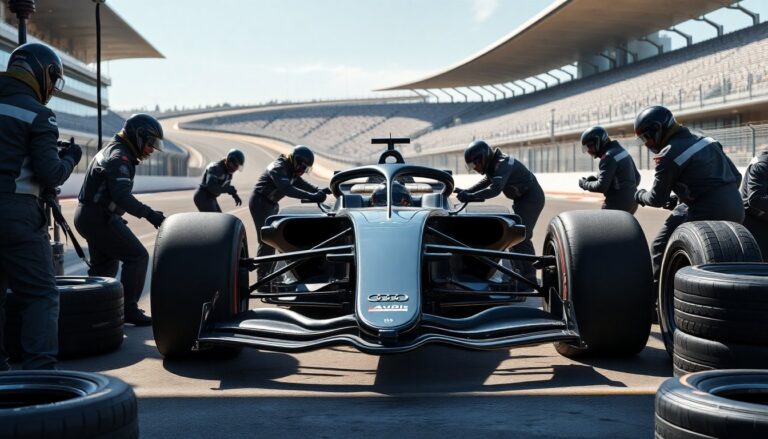
The automotive landscape is poised for a significant transformation as Audi announces its entry into Formula 1 for the upcoming season. Following its acquisition of the Sauber team, Audi has been preparing diligently to establish a presence in the racing arena. This strategic move aligns with the newly introduced technical regulations in F1, allowing Audi to capitalize on its extensive expertise in hybrid technology.
Audi’s strategic acquisition of Sauber
Audi’s path to Formula 1 commenced with the acquisition of a minority stake in Sauber, facilitating a complete takeover a year later. This acquisition not only underscores Audi’s commitment to F1 but also heralds a new chapter for the Sauber team, a prominent name in the sport for over three decades.
The transition from Sauber to an official Audi team signifies more than a mere name change. It marks the beginning of a comprehensive transformation of the team’s operations. This includes the development of a new power unit, which will play a crucial role in their racing strategy starting in 2026. Audi’s emphasis on hybrid engines aligns with the sport’s movement toward more sustainable technologies.
Ambitious plans for the new season
As preparations intensify for the upcoming season, Audi is poised to activate its first F1 engine, the R26 hybrid power unit, within the following days. Team principal Jonathan Wheatley has conveyed confidence that this milestone will be reached before the holiday season, suggesting a well-structured timeline.
Early preparations in Formula 1
The early engine fire-up by Audi marks a rare event in Formula 1, indicating an accelerated winter testing schedule. The team aims to have its complete race chassis and engine operational before the official testing period. This proactive strategy is noteworthy compared to previous seasons, as Audi looks to establish a strong presence in the competitive F1 landscape.
Challenges and opportunities ahead
While Audi’s entry generates excitement, significant challenges loom. The Sauber name will vanish from the grid after more than 32 years, requiring the team to adapt rapidly to the expectations of a factory team. Audi plans to expand its workforce from around 300 to nearly 700, substantially increasing its operational capacity to compete effectively against established teams.
Investments in technology and infrastructure
Wheatley highlights a significant challenge for the Sauber team: a historical lack of capital investment that has limited its competitiveness. Audi plans to remedy this through substantial investments in technology and personnel. A new facility in Bicester, UK, is under construction, aimed at attracting top engineering talent to bolster the team’s capabilities.
This investment in infrastructure is not merely for short-term benefits; it represents a long-term vision for success in Formula 1. As the team prepares for the season opener in Melbourne, the true evaluation of their performance will only emerge after several races, underscoring the importance of strategic planning.
Audi gears up for Formula 1 debut
Audi’s impending entrance into Formula 1 signals a significant shift in the landscape of motorsport. The automotive giant is emphasizing innovation and sustainability, aiming to craft a new identity within the racing arena.
As Audi prepares for its inaugural season in 2026, the focus will be on how the team adapts to the intricate dynamics of Formula 1. The challenge lies not just in competing but in establishing itself as a serious contender among racing elites.
The emperor has no clothes, and I’m telling you: Audi’s strategy could redefine standards in the industry. The team’s commitment to addressing environmental concerns while pursuing high performance is a narrative that many will watch closely.
So, as the countdown to the season begins, the motorsport community anticipates Audi’s moves on and off the track. Will they rise to the occasion and disrupt the status quo? The answer could reshape expectations in Formula 1.