
Argomenti trattati
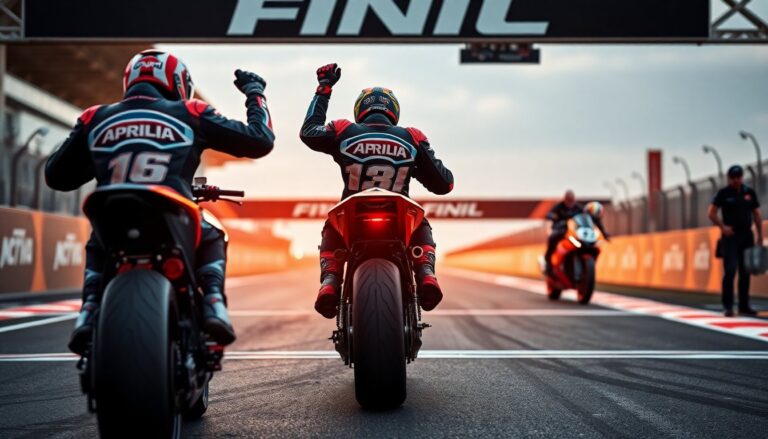
At the Chang International Circuit in Buriram, a decisive performance reshaped the early MotoGP landscape. Starting from pole, Marco Bezzecchi converted qualifying advantage into a comprehensive victory, and his result completed a remarkable run for Aprilia. The race combined a textbook start, tyre management battles and a dramatic retirement that interrupted another team’s podium streak.
Beyond the winner’s checkered flag, the race exposed key trends: improved pace from KTM, Aprilia’s stable form across multiple riders, and the thin margin tyre issues create at top speed. These elements will influence strategy and morale as teams move through the opening rounds.
Race overview: how Bezzecchi built the win
Bezzecchi capitalized on a perfect launch from pole position to control the race from the outset. His rhythm was consistent while running the medium rear tyre, a choice that paid dividends in hot conditions. The Italian’s approach was a showcase of clean racecraft — quick getaway, measured early laps, and defensive but purposeful riding when challenged. That combination allowed him to open a gap and maintain it to the finish, securing victory by a comfortable margin.
From sprint setback to Sunday success
The weekend narrative had a twist: after a costly mistake in Saturday’s sprint, Bezzecchi needed a rebound. He framed the result as recovery rather than routine; the team refined setup and tyre plan overnight, which illustrates the importance of adaptability in MotoGP. The turnaround highlighted how a single error can be repaired through collaboration and focused adjustments.
Aprilia’s wider story: momentum and depth
Bezzecchi’s triumph wasn’t an isolated achievement for Aprilia. Teammate Jorge Martin and fellow Trackhouse rider Ai Ogura also finished inside the top five, underlining the bike’s competitive package this weekend. For Aprilia, the result represents not just a strong individual performance but the emergence of a multi-rider strength that will complicate rivals’ strategies.
Technical edge and race management
The Aprilia package appeared to blend straight-line speed with predictable tyre wear, enabling riders to sustain lap times deep into the stint. The team’s work on chassis setup and tyre selection demonstrated an understanding of how to balance early pace with late-race stability. In the context of the weekend, those adjustments converted into consistent podium threats across different riders.
KTM and Trackhouse: signs of progress and racing grit
KTM’s Pedro Acosta delivered a composed ride to finish second, proving the marque can run strong over a race distance. Acosta’s performance was notable for its controlled tyre management and tactical overtakes; he remained competitive without overdriving, a mark of maturity that will boost KTM’s confidence after previous struggles at this circuit.
Raul Fernandez also made an impact for Trackhouse by finishing on the podium, though he reported significant rear tyre degradation late in the race. Fernandez’s result showed raw speed but also exposed the limits of tyre conservation when pushing for position among a fierce front group.
Championship implications and points picture
With Acosta leading the standings after the weekend and Bezzecchi close behind, the championship chase already looks open. Early points count, but the distribution here rewards those who combine qualifying performance with race durability. Teams that can extract consistent tyre life while keeping a fast initial pace will have an advantage as circuits demand different trade-offs.
Drama for Ducati and the Marquez siblings
Marc Marquez suffered a harsh twist of fate when a rear tyre puncture forced retirement while travelling at high speed, damaging the wheel and ending his chance for a podium. The incident was a significant blow: it broke Ducati’s run of podium appearances that had lasted across many races, and created an unexpectedly difficult weekend for the Marquez family after Alex crashed shortly thereafter.
Those events underline how resilient and fragile MotoGP fortunes can be in the same race — mechanical failures and tyre problems can undo otherwise strong campaigns in an instant, altering the competitive map.
What to watch next
As teams regroup, the main questions are clear: can Aprilia maintain its multi-rider competitiveness? Will KTM convert its improved pace into consistent wins? And how will tyre strategies evolve as engineers and riders parse data from Buriram? The answers will shape the narrative for the next rounds and determine whether the results here were a preview of a longer-term order of strength or an early-season glimpse that the rest of the calendar will re-balance.
For fans and teams alike, Buriram offered a compelling mix of strategy, speed and unpredictable drama — a reminder that MotoGP’s balance of human skill and mechanical performance remains its defining attraction.