
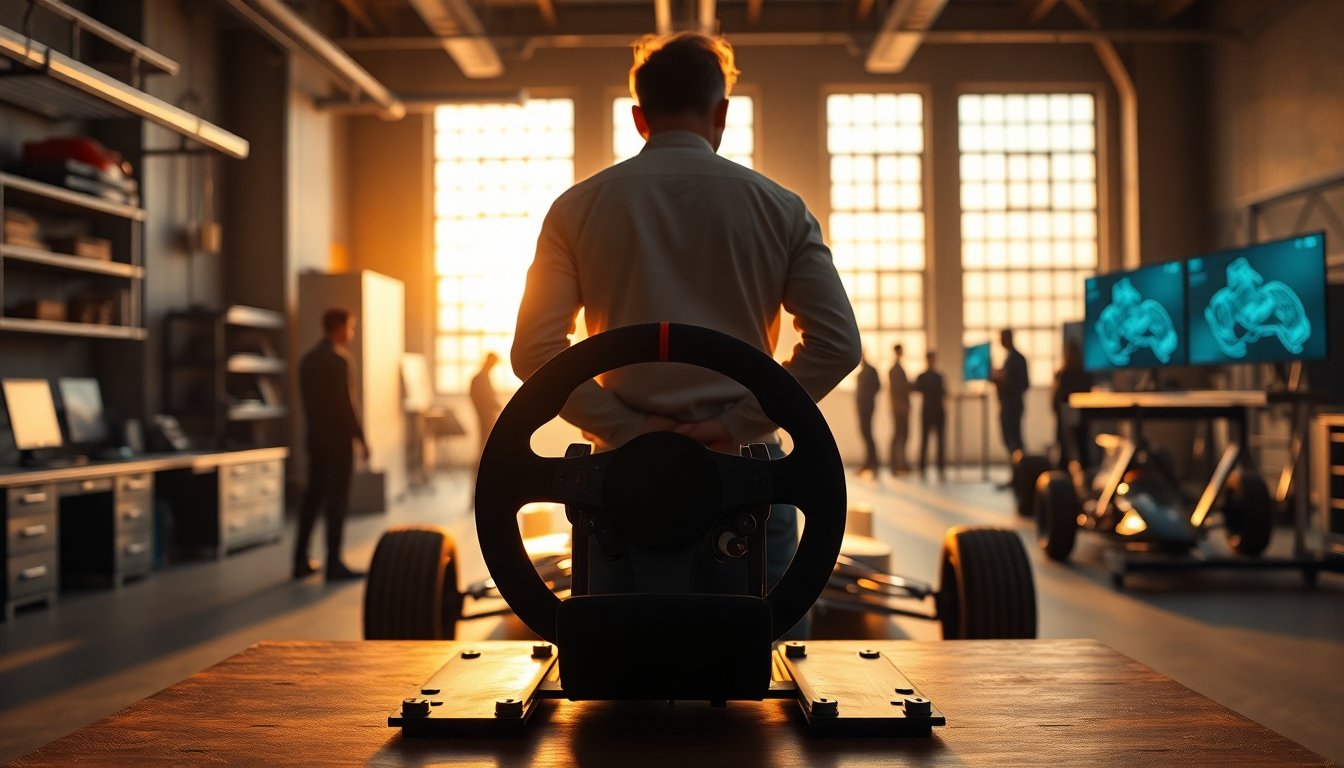
Valtteri Bottas has traded established garages for a startup environment with Cadillac, and the move is letting him participate in aspects of the car he never touched before in F1. Rather than simply adapting to a pre-existing cockpit and controls, he has been invited to contribute to details such as the steering wheel layout and button positions. That input extends to selecting a preferred steering ratio, an example of a technical parameter that directly affects how the driver feels the car. For a driver used to joining mature teams, this level of influence on the physical interface of the car represents a notable shift.
Bottas brings decades of top-level experience from teams like Williams, Mercedes and Sauber, and he now pairs that background with the freedom of a team starting from scratch. The absence of inherited practices means engineers can design fresh solutions without being anchored to legacy choices. Bottas values being consulted early in the design process, helping decide not just ergonomics but control logic and cockpit ergonomics. This hands-on approach is rare in Formula 1, where many drivers adapt to existing layouts; at Cadillac he is shaping the cockpit rather than fitting into one, which has both performance and comfort implications.
A new voice in car design
Working with a debutant outfit gives a driver a unique platform to influence the engineering blueprint. In this setting, Cadillac has allowed Bottas to weigh in on everything from switch placement to the feel of paddles and the overall human-machine interface, and those choices are tangible. The team’s status as the first entirely new constructor to arrive on the grid in a long time removes many constraints, so decisions can be made based on present priorities rather than historical precedent. Being able to specify things like the steering ratio or the exact layout of wheel buttons helps translate a driver’s preferences into measurable performance and repeatability on race weekends.
Hands-on decisions that matter
Details that might seem minor—such as button accessibility, tactile feedback, or the ergonomics of the paddles—can change how consistently a driver operates under pressure. Bottas has been involved in choosing the precise buttons and their mapping, which ties into broader topics like ergonomics and cockpit efficiency. By influencing these choices early, the driver helps reduce in-car distractions and optimize lap-to-lap consistency. The team benefits from a unified approach where driver-specific settings are designed in tandem with engineers, rather than retrofitted, making the car more intuitive and helping the squad gather cleaner data when developing setups.
Experience shaping progress
Alongside Sergio Perez, Bottas forms a pairing that carries knowledge from top operations into a nascent programme. Both drivers have tasted the structures and processes of established championship-contending teams, so they can identify which practices to adopt and which to avoid. That experience matters especially in early seasons, where pragmatic choices—ranging from reliability targets to race strategy protocols—can accelerate development. Cadillac’s early results, with both cars finishing several races, hint at a solid baseline. In a field where many established outfits have wrestled with reliability, simply reaching the flag consistently provides a platform upon which performance gains can be built.
Building the team culture
Bottas stresses a team-first mentality: learning from past successes and mistakes helps shape the squad’s DNA. He and Perez are contributing more than driving skill; they’re helping to set expectations about communication, testing priorities and how the garage functions on a race weekend. That kind of cultural input is crucial for a new entrant seeking to avoid pitfalls that can slow progress. With shared standards and a focus on stable operations, the programme aims to improve more quickly than a typical newcomer, leveraging seasoned perspectives to inform development paths and decision-making frameworks.
Renewed perspective after time away
Time spent off the grid as a reserve driver refreshed Bottas’s outlook, making race weekends feel more precious and sharpening his focus. He describes a renewed appreciation for the rituals of match day—the build-up, the grid, even the national anthems—and believes that mindset can sustain motivation through the long cycle of development. Returning to a full-time race seat with the added responsibility of influencing car design has re-energised him. That enthusiasm, combined with practical input on cockpit controls and an emphasis on reliability and teamwork, positions Bottas to contribute both on and off the lap as Cadillac seeks to climb the F1 order.


