
Argomenti trattati
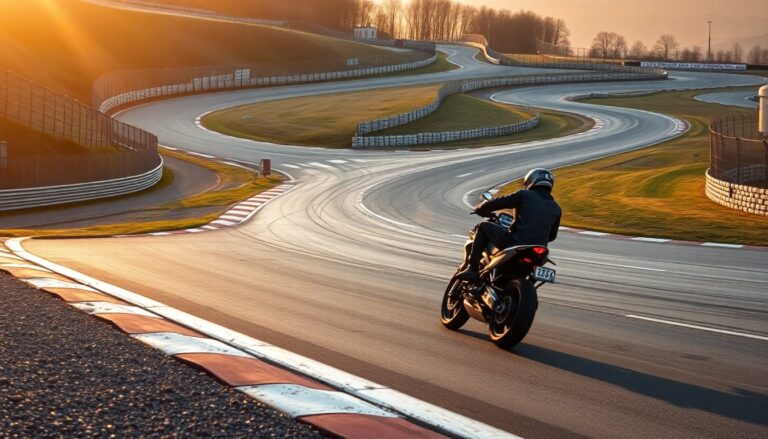
The Automotodrom Brno sits just beyond the city limits of Brno in Czechia and has long been synonymous with high-level motorcycle racing. This venue began hosting Grand Prix events on a temporary street circuit before the permanent facility opened in 1987, and it first welcomed MotoGP to the area in 1965. Today the circuit is prized for its mix of flowing corners and technical sections, with constant elevation shifts that test both rider judgment and machine stability. The track’s status as an iconic venue is reinforced by its scenic setting and spectator viewpoints, giving fans a memorable live experience and riders a challenging arena to master.
In recent seasons the calendar saw changes, and 2026 marks a notable milestone as motogp returns to Brno after its last appearance in 2026. That comeback underlines the circuit’s enduring appeal and re-establishes its place among the sport’s most admired stops. The layout stretches 5.4 km and combines 14 corners — six left-handers and eight right-handers — so teams spend considerable time analyzing corner sequences and setup compromises. The circuit’s flowing portions reward momentum, while the tighter sections demand precision, meaning lap-time gains often come from a blend of aero balance, chassis feel and rider bravery.
Layout and technical characteristics
The Brno track measures 5.4 km (3.36 miles) per lap and features a width of 15 m, which influences racing lines and overtaking windows. The longest straight is 636 m, offering a clear zone for top-speed runs and slipstream battles, while the overall profile includes continuous rises and falls that affect braking markers and corner entry speeds. Teams treat the venue as a test of compromise: a setup that is too soft may lose stability through the faster arcs, while an overly stiff approach can unsettle the bike over undulations. Engineers therefore focus on balance between mechanical grip and aerodynamic consistency to extract lap time over the full 5.4 km lap.
Corner composition and rider demands
With a configuration of 14 corners split into eight right and six left, Brno places asymmetric loads on tires and chassis. Riders must adapt to the differing forces experienced on each side of the bike; for example, repeated right-hand loading changes wear patterns and may influence tire choice. The circuit’s alternation between sweeping, high-speed sections and tighter, technical turns tests braking stability and corner exit drive. Teams therefore optimize setups for consistent tire temperature across the lap and look for traction windows that enable overtaking into the more acute corners without sacrificing momentum on the subsequent sequences.
Race formats and distances by class
The event program at Brno follows class-specific lap counts and total distances that teams and strategists use to plan race pace and pit strategies. For the premier class, MotoGP™ races are scheduled over 21 laps, covering 113.46 km (70.5 miles), with a finish declared at 16 laps in the event of a red flag stopping the race prematurely. The intermediate Moto2™ class runs 18 laps for a total of 97.25 km (60.43 miles) and would finish at 14 laps if a red flag occurs. Meanwhile, Moto3™ competitors contest 16 laps, totaling 86.45 km (53.72 miles), with a red-flag finish threshold of 12 laps. These predefined figures drive fuel loads, tire strategies and race-day risk calculations for each category.
Practical implications for teams and riders
Understanding the lap count and red-flag finish rules is central to race management: teams tailor fuel maps and tire allocations to match the expected distance and the possibility of shortened races. The combination of elevation changes, varying corner radii and the 636 m straight influences decisions about gearing, aerodynamic trim and suspension setup. Riders adapt their approach to braking points and corner entry angles to preserve tires while extracting maximum corner exit speed. Because overtakes often happen on the run toward the longest straight or into tighter hairpins, racecraft at Brno blends technical precision with opportunistic aggression.
Why Brno remains a fan and rider favorite
Beyond raw numbers, the circuit’s atmosphere and sightlines make it a standout destination. The natural amphitheater around parts of the track, combined with elevated viewing platforms, offers spectators dramatic panoramas of action and overtakes. For riders, the mix of high-speed rhythm and technical challenges provides a complete test of skill: getting the balance right rewards bravery and precision. The return of MotoGP in 2026 reconnects the championship with a venue that has staged more than 50 Grand Prix events since 1965, and it reaffirms Brno’s reputation as a beloved, technically rich circuit that still demands respect from the modern machinery and its riders.