The Formula 1 World Championship travels across continents, stopping at circuits that range from narrow city streets to purpose-built racing complexes. Each venue possesses a combination of layout, topology, and surrounding scenery that sets it apart from the next. The twisting alleys of Monaco, the high-speed sweeping bends of Silverstone, or the desert heat-tested asphalt of Bahrain all convey a distinct identity that fans can recognise instantly. Understanding why a particular track feels familiar involves more than just its name; it is about the geometry of its corners, the length of its straights, and the visual cues that surround it. This diversity fuels the passion of motorsport enthusiasts and creates an ideal backdrop for a visual guessing game.
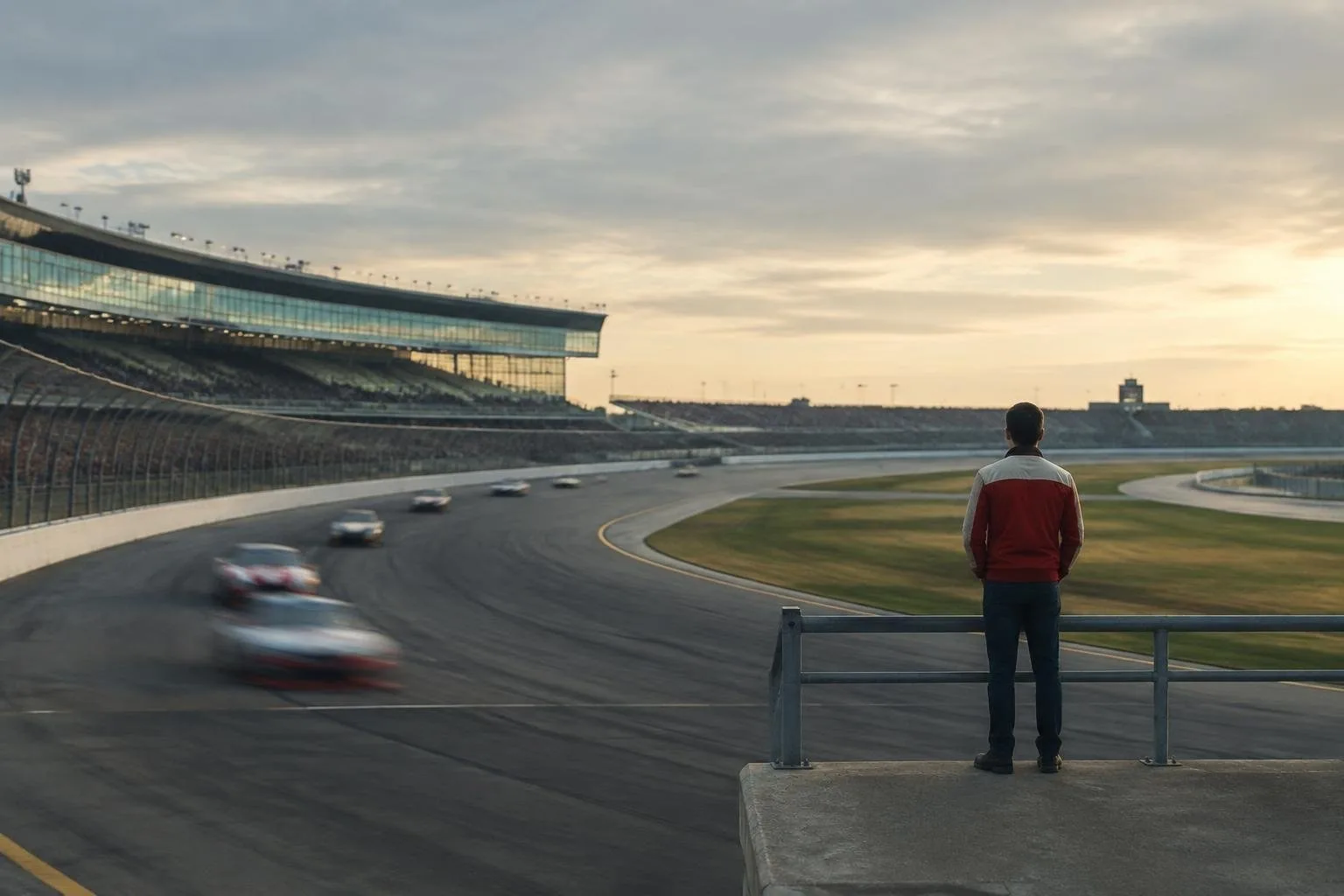
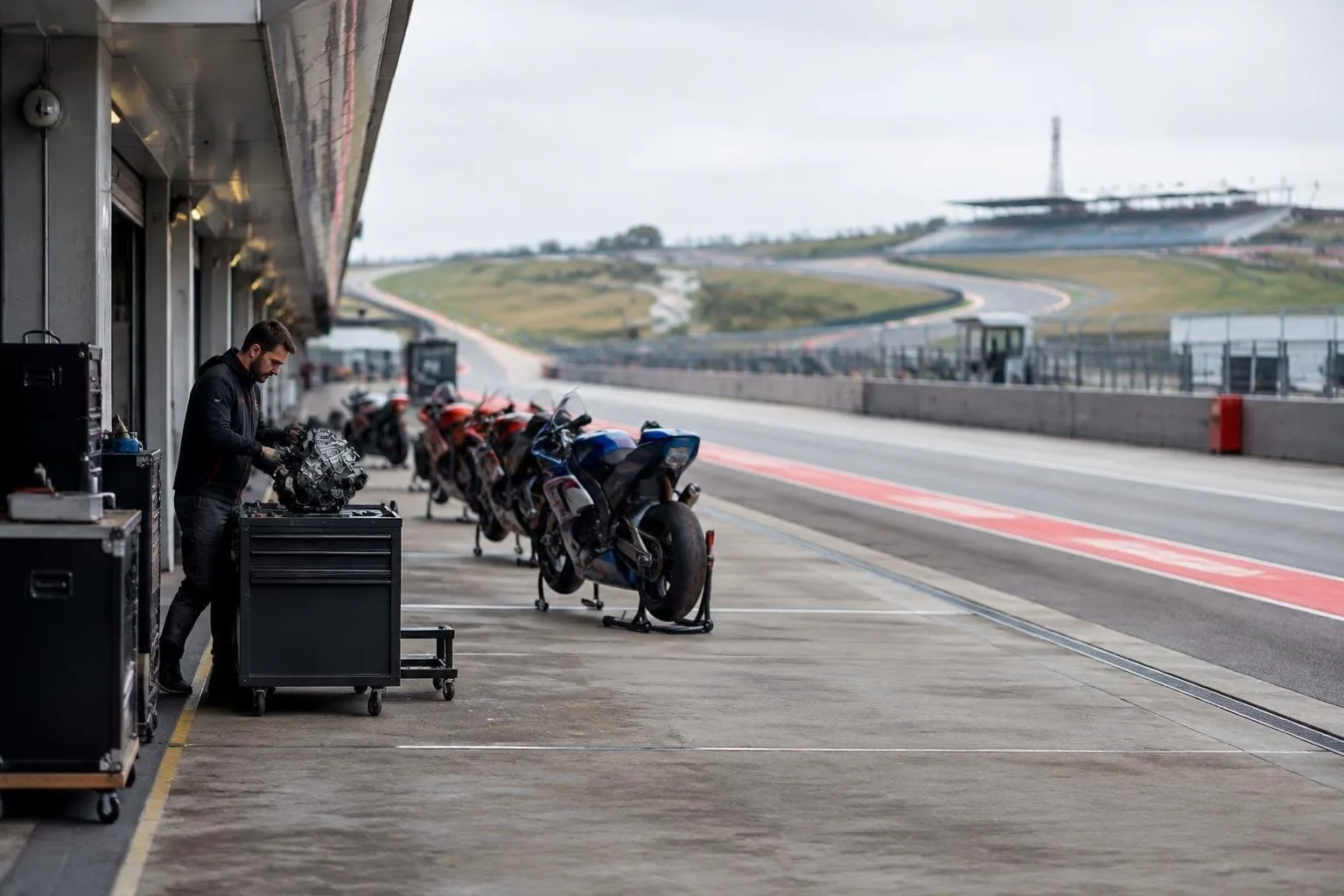
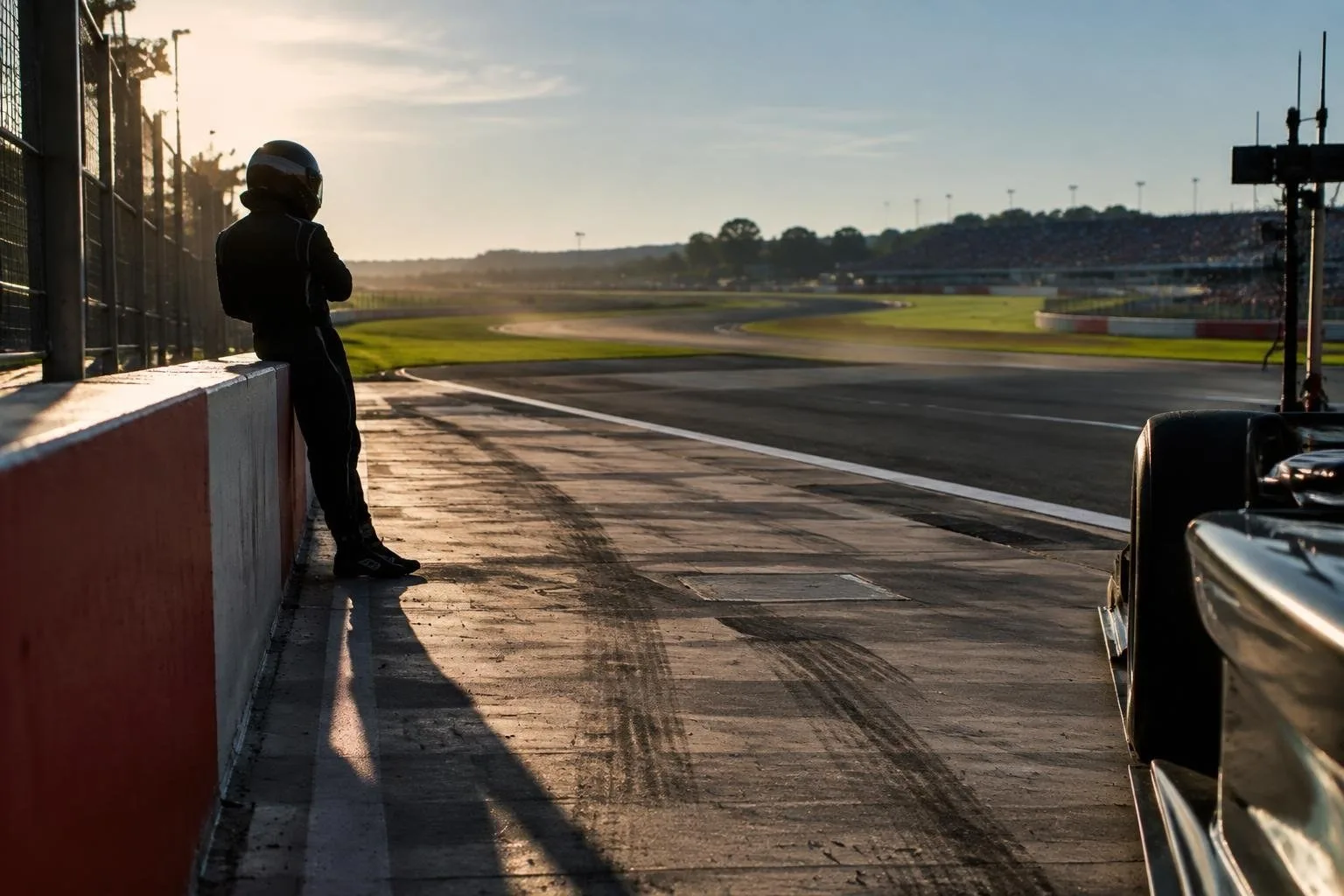
To celebrate that variety, a new interactive challenge invites supporters to match a single photograph to its corresponding grand prix venue. The premise is simple: a picture of a portion of a circuit (whether it captures a famous hairpin, a towering grandstand, or a unique pit lane view) is presented, and participants must select the correct race location from a list. No additional clues, no time pressure beyond personal curiosity. The format tests pure visual memory and encourages deeper study of the sport’s geography. Whether you are a seasoned follower who has watched every season or a newcomer eager to learn, the quiz offers a fun way to gauge and expand your knowledge.
What makes each Formula 1 venue unique
Every Grand Prix circuit is shaped by a blend of historical context, engineering decisions, and local environment. Tracks like Spa-Francorchamps retain natural elevation changes inherited from the surrounding Ardennes forest, while circuits such as the Autodromo Nazionale Monza were purpose-built to showcase raw speed on long straights. The track layout (including the number of left-hand versus right-hand turns, the radius of each corner, and the length of the main straight) creates a signature silhouette that can often be identified in a single aerial shot. Moreover, background elements like nearby mountains, coastlines, or iconic cityscapes act as visual anchors, allowing fans to differentiate between venues that might otherwise appear similar on paper.
Playing the “Guess the Track” challenge
The quiz interface displays one image at a time, accompanied by a drop-down menu containing all current Formula 1 host circuits. Players select the name they believe matches the scene and receive immediate feedback indicating whether the choice is correct. Correct answers are tallied, enabling participants to track their performance across the entire roster of venues. The design deliberately avoids hints such as race dates or driver names, forcing respondents to rely solely on visual cues. This approach mirrors the way seasoned commentators often describe a lap by referencing distinctive sections of the circuit, reinforcing the educational value while keeping the experience enjoyable.
Tips for identifying circuits from a single image
Look for signature corners and straights
Many tracks possess a landmark turn that has become synonymous with the venue. For instance, the tight, uphill Parabolica at Monza, the long, flat-out 130R at Suzuka, or the iconic Logano Hairpin at Barcelona often dominate visual memory. When a photograph emphasizes a corner’s geometry (such as a steep climb, a sweeping sweep, or a narrow chicane) match it against known profiles. Similarly, the length and shape of the main straight can betray a circuit; the ultra-long Parc Ferme at Spa or the short, technical run-in at Monaco’s harbour quarter are instantly recognizable once you know what to look for.
Notice surrounding landmarks
Beyond the asphalt, surrounding scenery frequently offers decisive clues. Coastal circuits like Singapore’s Marina Bay feature towering skyscrapers and waterfront promenades, while the desert venue of Bahrain is framed by flat sand dunes and a distant oil refinery silhouette. Mountainous backdrops characterize venues such as Mexico City’s Autódromo Hermanos Rodríguez, where the peaks of the Popocatépetl volcano loom overhead. Observing the type of fencing, grandstand architecture, or even the colour of the surface, whether a bright orange circuit in Austin’s Circuit of the Americas or the muted grey of the historic Nürburgring, helps narrow down the possibilities when the image does not show a full-track view.
After completing the series, participants can compare their scores with friends or on social media, turning a solitary test of recall into a community-driven competition. The exercise not only provides a snapshot of personal expertise but also encourages further exploration of each circuit’s history and quirks. Whether you achieve a perfect run or discover a few blind spots, the quiz serves as a reminder of the rich visual tapestry that defines the Formula 1 calendar.