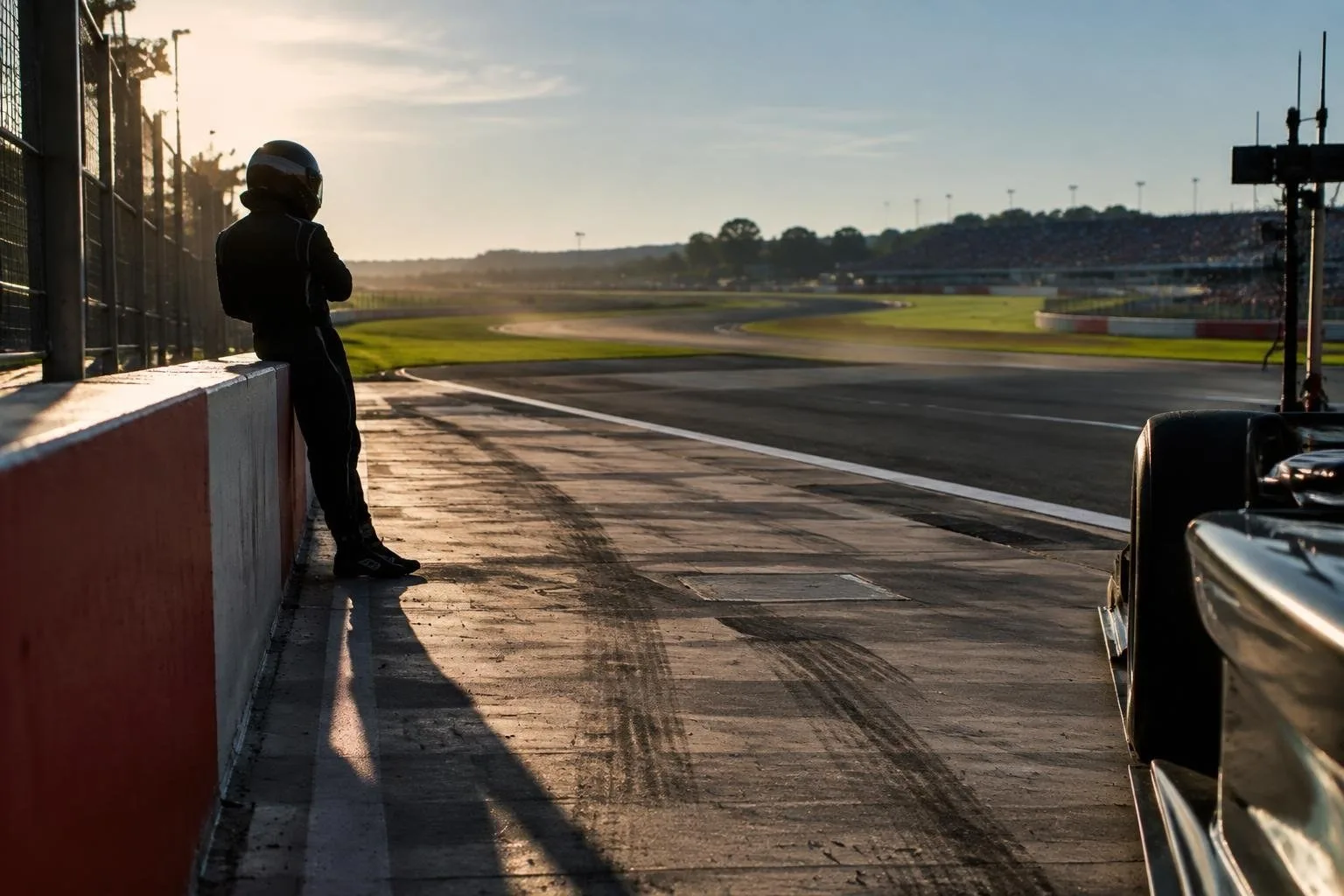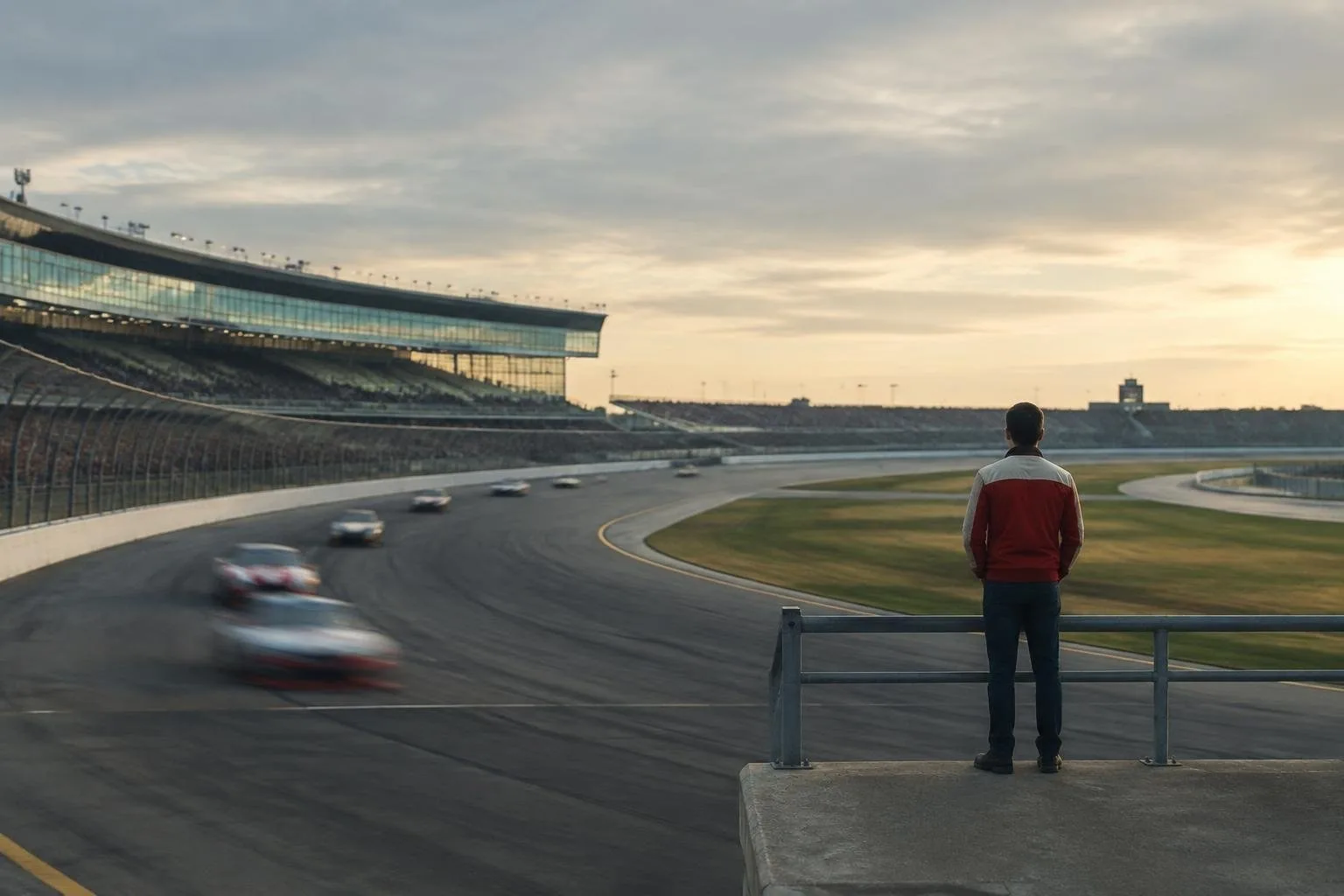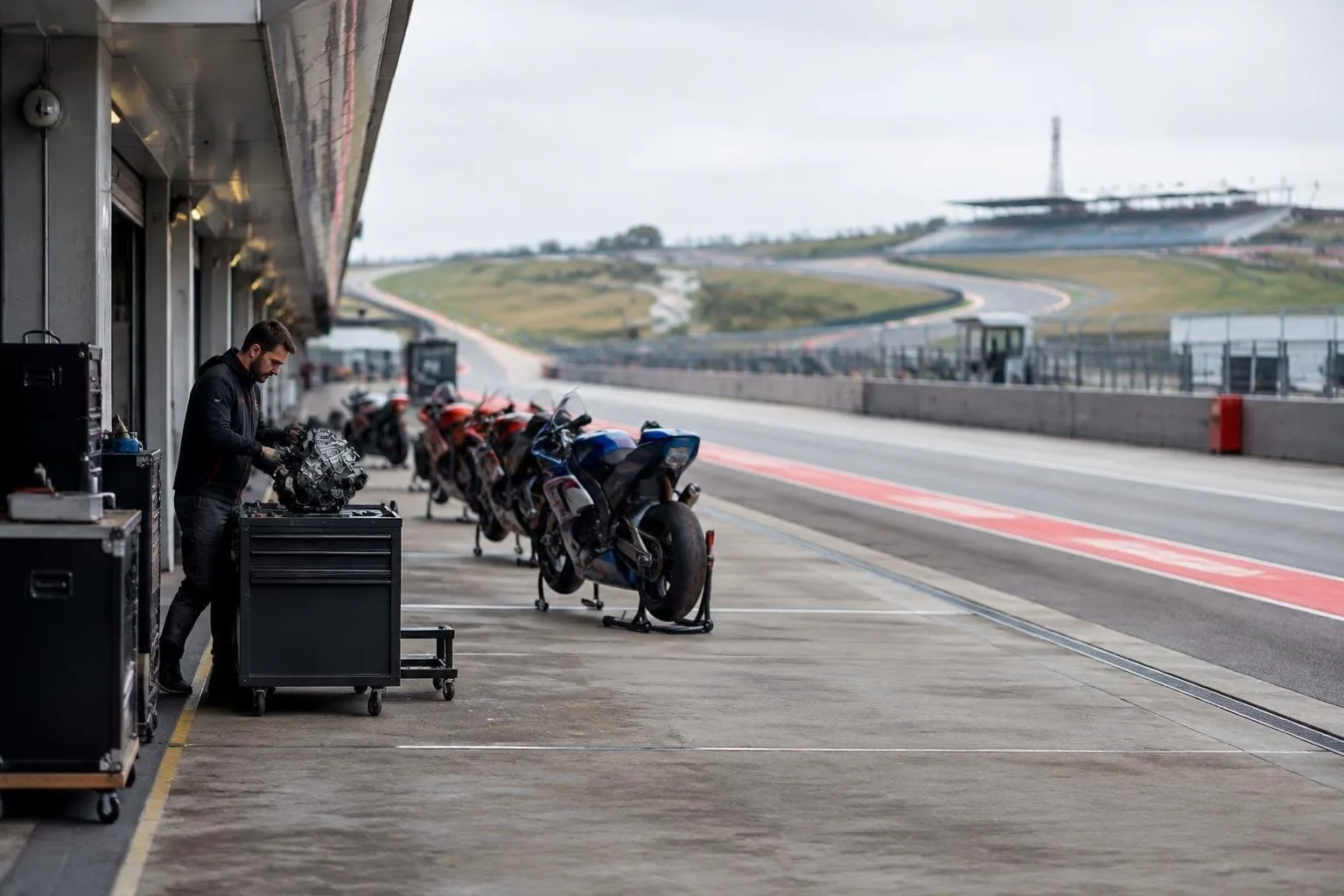
MotoGP is a premier motorcycle racing championship that features the best riders and teams from around the world. The championship consists of a series of Grand Prix events, each taking place over a weekend. A typical MotoGP weekend features two main events: the sprint and the Grand Prix. The sprint is a shorter race that takes place on the Saturday, while the Grand Prix is the main event, held on the Sunday.
The relevance of understanding MotoGP weekends lies in the complexity and strategy involved in the sport. Teams and riders must balance pace, tire life, and fuel management to achieve success. The qualifying session plays a crucial role in determining the starting grid for both the sprint and the Grand Prix. Riders must navigate the track in the fastest time possible to secure a favorable position on the grid.
Qualifying and Grid Rules
The qualifying session is divided into three segments: Q1, Q2, and Q3. The fastest riders in Q1 proceed to Q2, and the top riders in Q2 advance to Q3. The riders who do not make it to Q2 or Q3 will start the race from the positions they qualified in. The grid rules are designed to reward the fastest riders while providing opportunities for others to challenge for positions.
Sprint and Grand Prix Races
The sprint race is a shorter version of the Grand Prix, with riders competing over a reduced distance. The sprint does not feature pit stops, and riders must manage their tire life and fuel consumption carefully. The Grand Prix, on the other hand, is the main event, featuring the full distance and all the challenges that come with it, including pit stops and strategy decisions.
Flag Signals and Tire Allocation
During the races, flag signals play a crucial role in communicating important information to the riders. The checkered flag indicates the end of the race, while the red flag signals a stoppage due to safety concerns. Riders must also manage their tire allocation, as they have a limited number of tires available for the weekend. The tire allocation rules are designed to promote strategy and management skills among the teams.
Ride-Height Devices and Aero Battles
Ride-height devices are an essential component in MotoGP, allowing riders to adjust their bike’s height and improve aerodynamics. The aero battles between teams are a key aspect of the championship, with teams constantly developing and refining their aero packages to gain a competitive edge. The use of ride-height devices and aero packages requires a deep understanding of the technical regulations and the ability to adapt to changing conditions.
As teams and riders continue to push the boundaries of performance, the importance of understanding MotoGP weekends will only continue to grow. By grasping the concepts of pace, tire life, and fuel management, as well as the intricacies of qualifying, sprint and Grand Prix races, fans can appreciate the complexity and strategy involved in the sport. With the ever-evolving nature of MotoGP, the ability to adapt and innovate will be crucial for success, and teams will need to balance their strategy with the technical aspects of the sport to stay ahead of the competition.