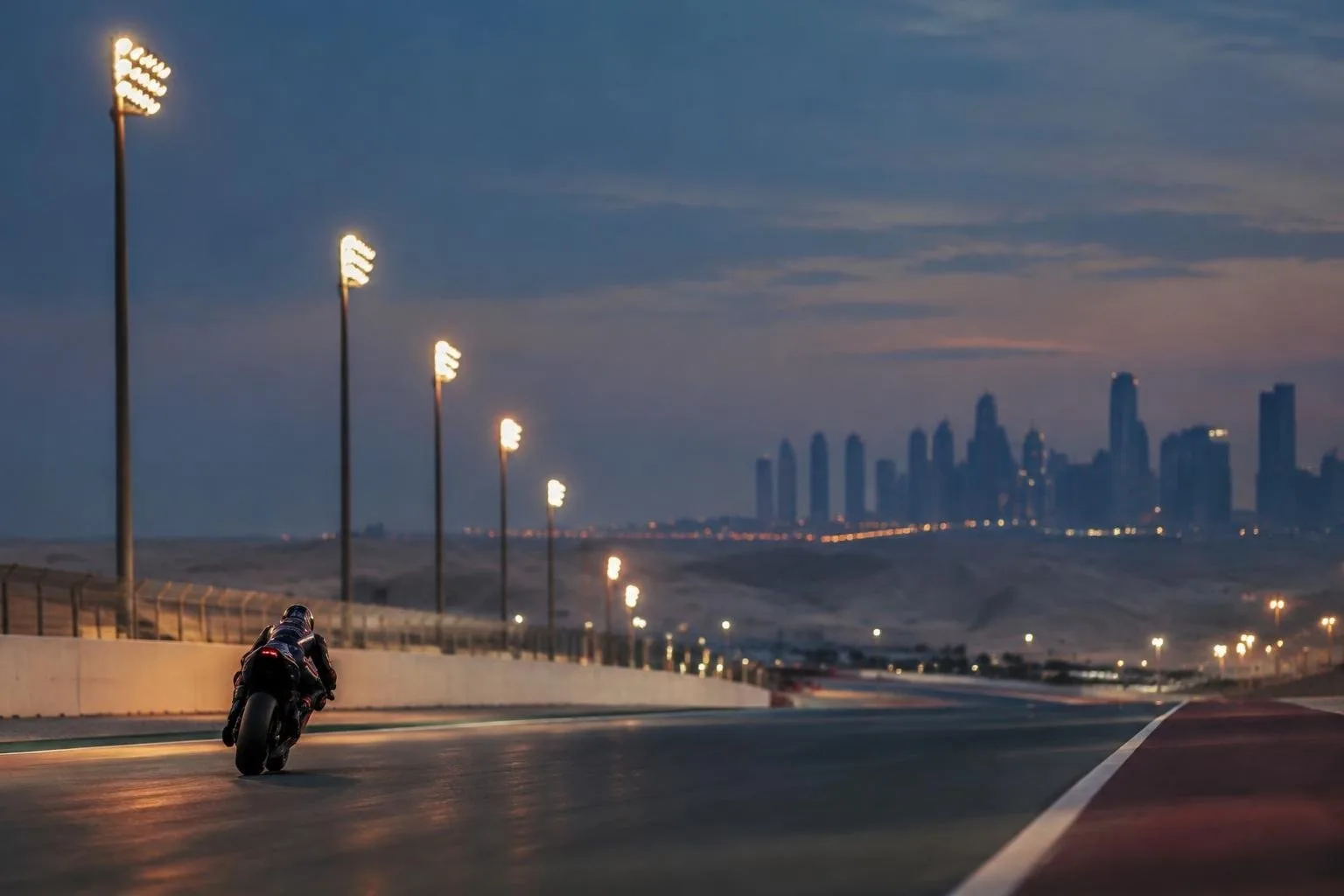
On 14 November 2026 the MotoGP calendar opened with the Lusail grand prix in Qatar. The event unfolded without safety incidents, but the atmosphere was charged by a dispute that began weeks earlier. Critics argued that holding a premier motorcycle race in the Persian Gulf amid regional tensions was reckless, while the organisers insisted that contractual obligations and commercial interests left little room for cancellation.
Background of the Qatar Grand Prix
The MotoGP Sports Entertainment Group (SEG) holds a contractual clause that obliges the series to race in Qatar unless a force-majeure event occurs. With the Gulf region under diplomatic strain, several governments issued travel advisories, though no official bans were placed. Despite the warnings, SEG proceeded, citing the absence of a legal basis to void the contract without incurring hefty penalties.
Riders, Teams and the Growing Dispute
Resistance among the paddock was swift. Nineteen out of twenty-two riders publicly expressed opposition to the Lusail round, citing safety concerns and the broader geopolitical climate. Yamaha amplified the dissent by announcing it would not field any machines at the Qatar venue, invoking its own corporate security policy. The collective stance highlighted a widening gap between the competitors and the series management, raising questions about the balance of power in the sport.
Organisers’ Response and Legal Angles
Vice-CEO Carlos Ezpeleta addressed the media after the race, declaring that MotoGP “did not give in to misinformation” and emphasizing that the event met all security standards. SEG also hinted at possible disciplinary measures, suggesting that the Fédération Internationale de Motocyclisme (FIM) could issue sanctions for non-compliance with contractual duties. However, the FIM remained silent, leaving the threat of penalties in a legal gray area where commercial rights and sporting authority intersect.
Liberty Media’s Dual Role
Both MotoGP and the concurrent Formula 1 races in the Gulf are owned by Liberty Media. Analysts noted that abandoning the Qatar round would have set a precedent jeopardising the upcoming F1 events in the same region. While this connection was never officially confirmed, the shared ownership suggests that commercial considerations may have outweighed pure safety assessments.
Aftermath and Continuing Tensions
The Lusail Grand Prix concluded without incident, satisfying the contractual agenda and preserving the prize fund. Yet the episode left four lingering wounds: rider trust in the promoter, the relationship with key manufacturers such as Yamaha, the perceived independence of the FIM, and the public image of MotoGP as a sport that prioritises spectacle over rider welfare. Ezpeleta acknowledged the mis-step, stating that future communication with teams and riders must improve, but the damage to the sport’s reputation was already visible.
Looking ahead, the controversy may fuel calls for a stronger, independent riders’ association capable of negotiating safety and scheduling issues before they erupt into public disputes. Until such a body gains influence, similar clashes could reappear whenever commercial contracts clash with the evolving risk landscape of international motorsport.