Classic car rallies are a unique and exciting way for car enthusiasts to showcase their vehicles and enjoy a fun-filled experience. A classic car rally typically involves driving a vintage vehicle over a predetermined route, with participants being timed and judged on their ability to maintain a consistent speed and follow the route accurately. Vehicle preparation is key to a successful rally, as participants need to ensure their cars are in good working condition and compliant with safety regulations.
The relevance of classic car rallies lies in their ability to bring people together, fostering a sense of community and camaraderie among participants. The events also provide an opportunity for car enthusiasts to showcase their vehicles and share their passion with like-minded individuals. This article will provide a comprehensive guide to entering classic car rallies, covering topics such as vehicle preparation, paperwork, and time-speed-distance basics.
Pre-Rally Preparation
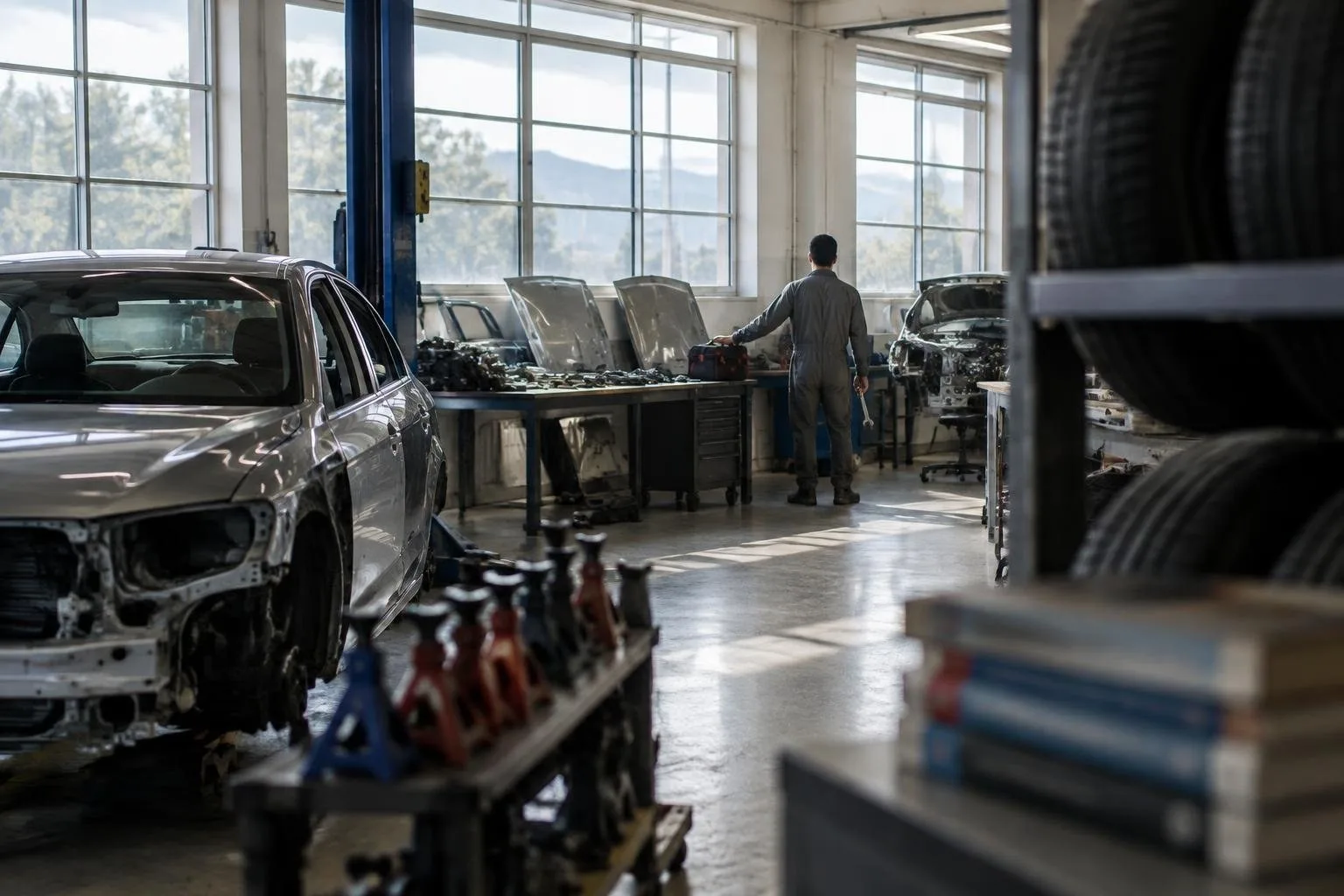
Before entering a classic car rally, participants need to ensure their vehicle is in good working condition. This includes checking the brakes, suspension, and engine to ensure they are functioning properly. Additionally, participants should check the vehicle’s documentation, including insurance and registration, to ensure they are compliant with regulations.
Route Books and Checkpoint Etiquette
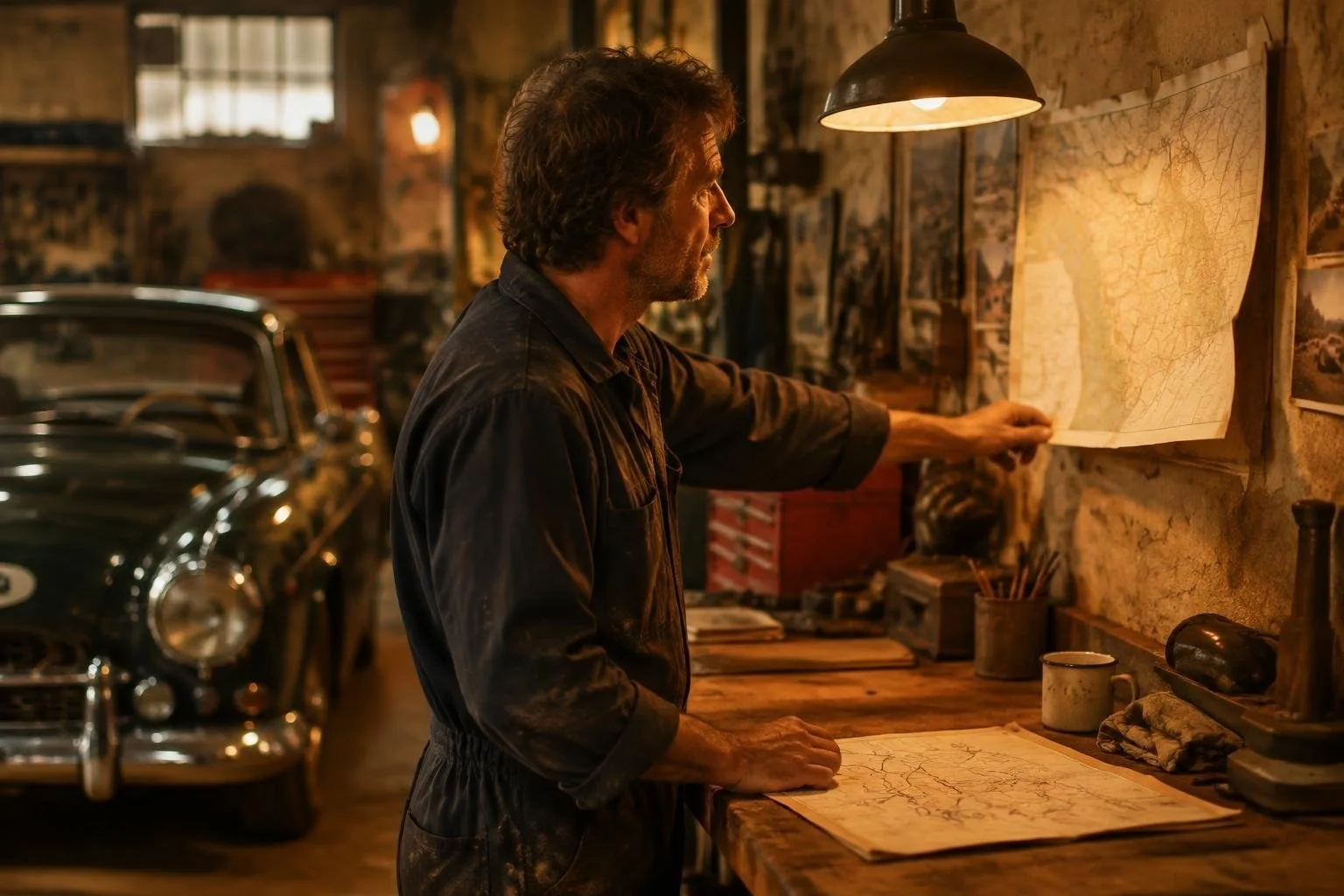
A route book is a critical component of a classic car rally, providing participants with detailed instructions on the route and checkpoints. Participants should familiarize themselves with the route book and understand the checkpoint etiquette, including how to navigate checkpoints and interact with officials. Checkpoint etiquette is essential to ensure a smooth and enjoyable experience for all participants.
Working with a Navigator
In a classic car rally, the navigator plays a crucial role in helping the driver navigate the route and manage the timing. Participants should work closely with their navigator to ensure they are aware of the route, checkpoints, and any other important details. Effective communication between the driver and navigator is essential to a successful rally.
Gear Checklist and Tips
Participants should ensure they have all the necessary gear and equipment before embarking on a rally. This includes a first-aid kit, toolbox, and spare tires. Additionally, participants should be prepared for varying weather conditions and have a change of clothes and snacks available. First-time entrants should also be aware of the time-speed-distance basics and how to manage their time effectively during the rally.
By following these guidelines and tips, participants can ensure a successful and enjoyable experience in a classic car rally. With careful preparation, attention to detail, and effective communication, participants can navigate the challenges of a rally and enjoy the thrill of driving their vintage vehicle.