When a racing operation repeatedly displays the logo of its owner’s car-dealership network on the most visible part of a race car, casual fans often suspect vanity or a tax trick. In reality, the practice is a calculated slice of motorsport sponsorship that turns a marketing budget into a high-speed billboard.
The same principle fuels the survival of local racing teams, where small businesses, families and hobbyists pool resources to keep a kart or a dirt-track entry on the grid. Both worlds illustrate how money, branding and community trust intersect on the track.
Hendrick Motorsports’ in-house dealership branding
Hendrick Motorsports and the Hendrick Automotive Group operate as separate legal entities, each with its own profit-and-loss statement. The dealership chain, which generates billions in annual sales across dozens of locations, treats a primary car-livery slot as a premium advertising asset.
From emergency filler to championship asset
In 2021, driver Kyle Larson’s seat lacked a traditional third-party sponsor because of lingering controversy. Rather than let the space sit empty—or sell it at a discount that could undercut market rates—Hendrick Automotive paid the full market price for the primary placement. The decision preserved the perceived value of that inventory across the entire team.
The car subsequently captured ten victories and the series championship, turning the dealership’s logo into a moving brand exposure platform. When external brands later expressed interest, the dealership evaluated the measured increase in website traffic, lead volume and vehicle inquiries, and chose to outbid the newcomers, effectively treating the car as a high-ROI digital ad.
Accounting and tax perspective
Critics sometimes claim that internal sponsorship merely shifts money between pockets to lower taxes. Corporate accounting, however, requires the dealership’s marketing spend to be recorded as a cost, while the racing division logs the same amount as taxable income. The transaction only makes sense if the dealership can demonstrate a lift in sales that exceeds the expense, which it does by tracking spikes in site visits and showroom footfall after each race weekend.
As one industry observer put it, the money never comes from the team owner’s personal wallet; it originates from the dealership’s operating revenue, and each unit is judged on its own balance sheet. When the data show that a 200-mph billboard drives measurable retail action, the expense is justified against other media options like TV spots or digital ads.
Grassroots racing and community sponsorship
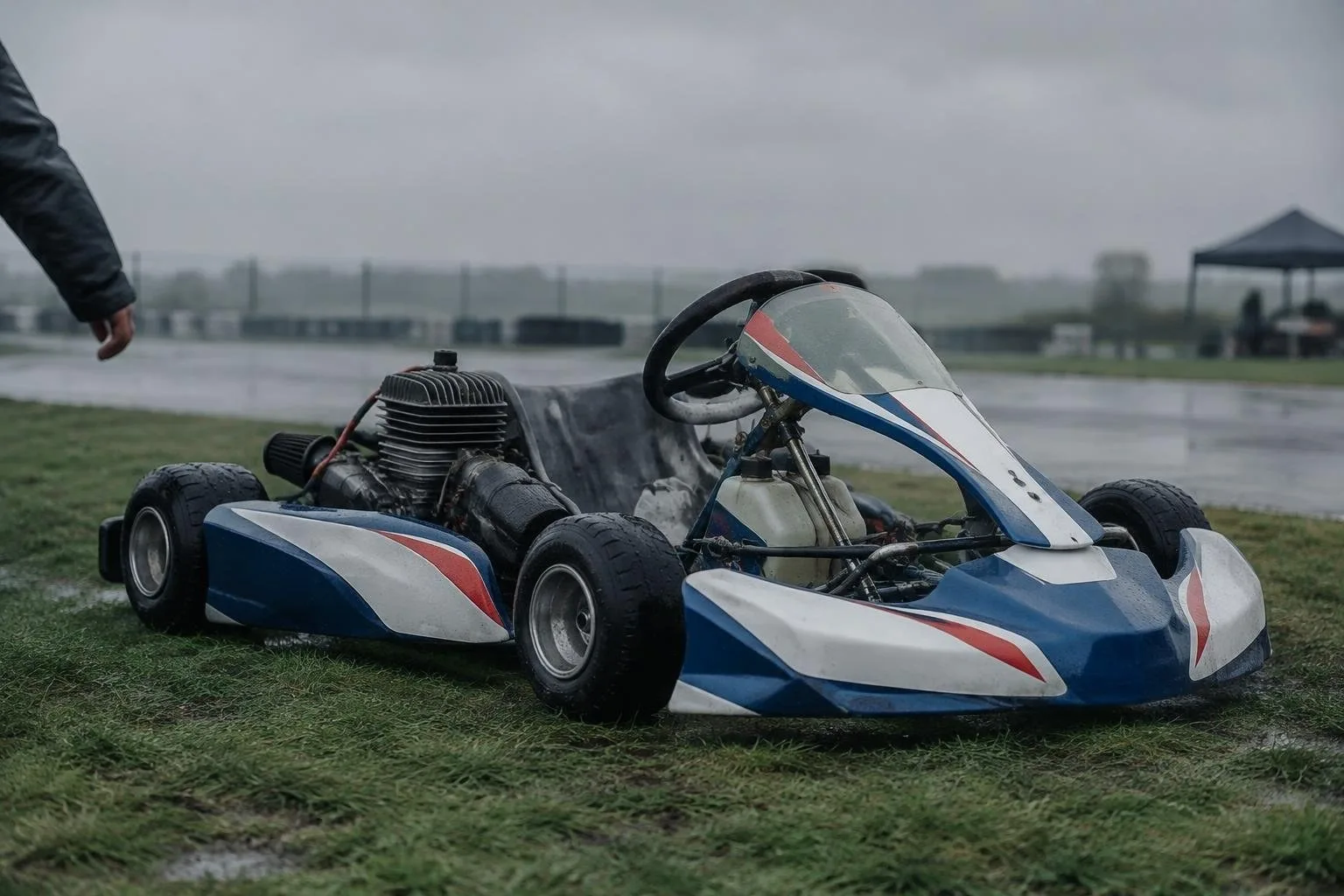
At the other end of the spectrum, entry-level racers rely on a patchwork of local sponsors to cover consumables, safety gear, travel and entry fees. The structure is less formal but no less strategic: a clear purpose and transparent reporting turn a simple logo placement into a community-building exercise.
Safety and scholarship drives
The Kurt Caselli Ride Day on 6 December 2025 gathered 1,108 riders, 40 vendors and raised $127,708 for rider-safety programs and scholarships. Sponsors such as FMF, Rocky Mountain ATV/MC, Fox Racing and KTM contributed because the fundraiser’s goal was easily understood—protecting riders and funding future talent. The money directly funded helmet replacements, brake upgrades and training courses, turning sponsor dollars into tangible safety improvements.
Local karting events as sponsor entry points
On 30 August 2025, “karting for a Cause” in Nashville raised more than $112,000 for Speedway Children’s Charities and the Newgarden Family Foundation. The event’s simplicity—allowing families to experience racing without technical barriers—made it an attractive low-risk platform for restaurants, parts shops and small manufacturers to test motorsport sponsorship. The visibility they earned on race-day banners and pit-lane signage translated into community goodwill and repeat business.
Building trust and delivering value
Grassroots sponsors typically value concrete deliverables: clean decal placement, a thank-you post on social media, or a photo of the sponsor’s logo next to the driver’s helmet. When a racer promises that a contribution will buy tires or safety gear, they should be ready to show post-event photos or expense summaries—an informal audit that reinforces credibility.
Because the financial stakes are modest, the relationship hinges on personal trust rather than multi-million-dollar contracts. A small business may forego a national media plan and instead seek a local audience, using the race as a live demonstration of community involvement.
Takeaways for drivers and brands across the spectrum
Whether a multi-billion-dollar dealership or a neighborhood auto shop, the core equation of sponsorship remains the same: exposure must generate measurable business impact. Top-tier teams can afford to treat a car’s paint scheme as a 200-mph billboard, while grassroots teams must make every logo count with clear, relatable objectives.
Drivers who understand this dynamic can pitch sponsors beyond simple logo placement—offering podium experiences, social-media storytelling and brand-integration moments that turn a logo into a lived narrative. In turn, sponsors who align their marketing goals with the visible, performance-driven world of racing can reap brand-awareness benefits that far exceed the cost of a decal.
Ultimately, the spectrum of motorsport sponsorship stretches from corporate boardrooms to family garages, but the underlying principle is identical: a well-executed partnership amplifies visibility, drives sales and cultivates a community around speed.