Performance SUV buyer’s checklist: handling, power, towing
Performance SUV describes a sport-oriented utility vehicle where acceleration is part of the package but not the only attribute. The core of evaluation is a balance between engine power, chassis control and the ability to maintain performance under load. Buyers who choose on curb-to-curb numbers alone overlook systems that determine usable performance when roads are long, corners repeat and loads increase.
Assessing a performance SUV requires attention to sustained dynamics rather than single figures. Brake performance under repeated use, thermal management for engine and transmission, and real-world towing behavior are critical. This article lays out a systematic comparison framework, explains drivetrain and tire choices that affect sustained performance, and provides test-drive scripts and scoring sheets buyers can use when evaluating models.
Chassis balance and dynamic control
Chassis balance refers to how mass distribution, suspension tuning and steering interact to determine handling. A balanced chassis gives predictable understeer and recoverable oversteer, which matter when cornering with speed or when towing. Evaluate chassis by assessing weight transfer, roll control and steering response in both entry and exit phases of a turn.
Inspect suspension components and adjustability: ride frequency, damping rates and anti-roll bars. Vehicles with multi-mode damping and mechanical adjustability allow drivers to tune handling for unloaded and loaded conditions. Check for electronic aids such as torque-vectoring, which alter power distribution across axles or wheels and affect cornering behavior. Note that electronic systems help but cannot replace a fundamentally well-sorted mechanical setup.
Brake fade, cooling and repeatability
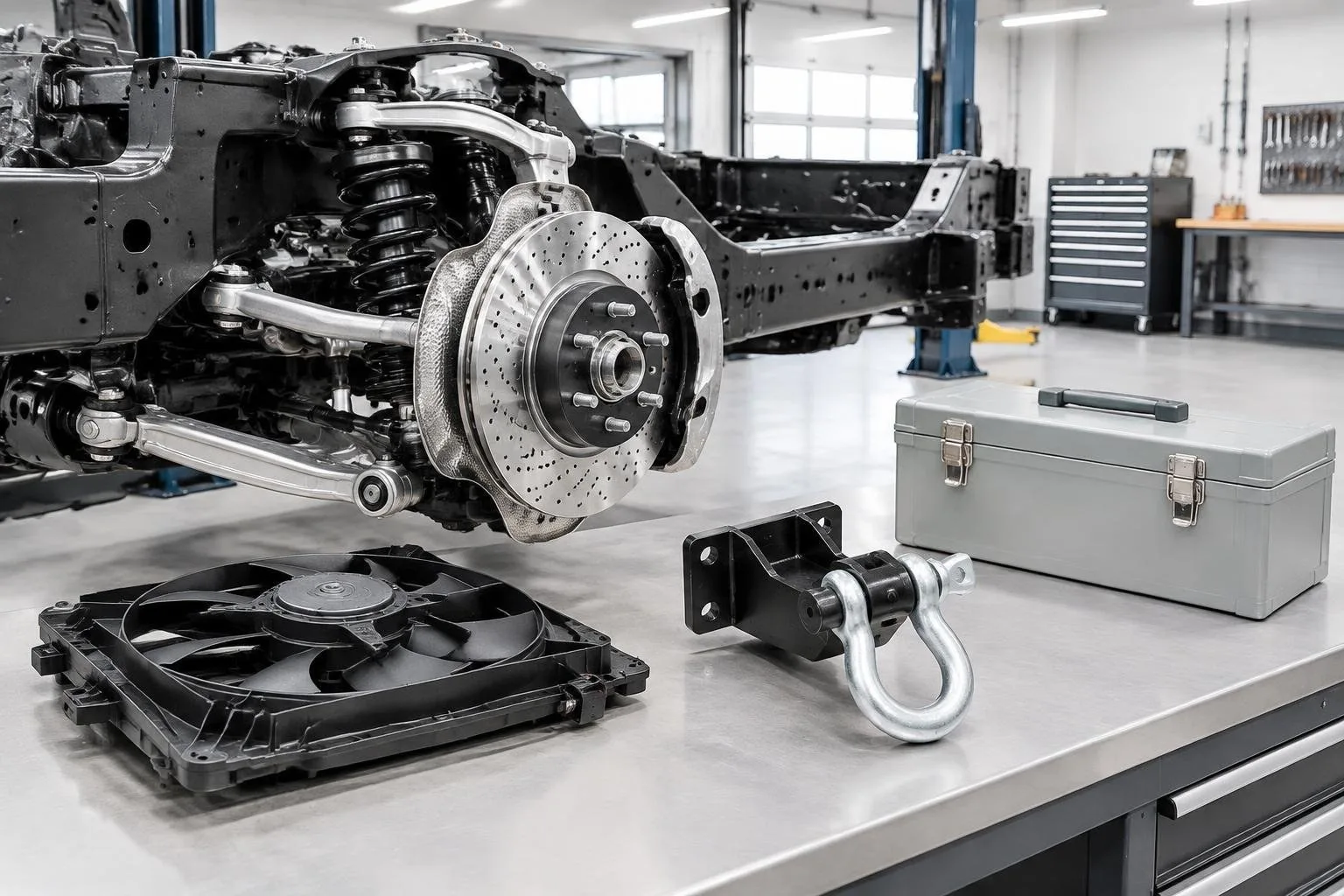
Brake fade is the progressive loss of braking power from heat build-up in pads, rotors and fluid. Test for fade by performing repeated high-speed decelerations in a safe environment and observing pedal firmness, stopping distance and rotor temperature behavior. Look for large-diameter rotors, multi-piston calipers and venting that support heat dissipation.
Cooling packages for brakes and drivetrain are equally important. Air ducts, ventilated rotors, and dedicated cooling channels for transmission and differential oil are not cosmetic options; they determine whether a vehicle can sustain hot laps, steep mountain descents or extended towing without losing performance. Verify the presence of temperature monitoring systems or checkbooks for high-temperature service intervals.
Real-world towing: power delivery and control
Towing performance is defined by torque delivery, transmission gearing and chassis control when the vehicle is loaded. A powerful engine is useful, but the shape of the torque curve and transmission shift logic determine how smoothly and effectively that power moves a trailer. Low-end torque and a transmission with robust cooling and conservative shift mapping improve drivability under load.
Assess towing by attaching a representative trailer or simulating load with ballast. Verify brake booster performance, trailer-integrated braking coordination, and the vehicle’s stability systems that detect yaw or trailer sway. Check the cooling capacity of the engine and transmission while towing at sustained grades, and examine recommended towing weights versus the buyer’s intended use to ensure margin.
Drivetrain differentials and their impact
Differential type matters for traction and control. An open differential splits torque to the wheel with least resistance; a limited-slip differential biases torque toward the wheel with traction. Active differentials and torque-vectoring systems can distribute torque to individual wheels for sharper cornering or better traction under load. Buyers should note whether differential settings are fixed, driver-selectable, or actively managed by vehicle software.
For performance SUVs that will see mixed surfaces or towing, a center differential with a lock mode or adaptive torque split offers greater versatility. Rear or front limited-slip or electronically controlled differentials improve cornering and stability. Confirm service intervals and fluid cooling provisions for differentials if the vehicle will be used intensively.
Tire choices and their real effects
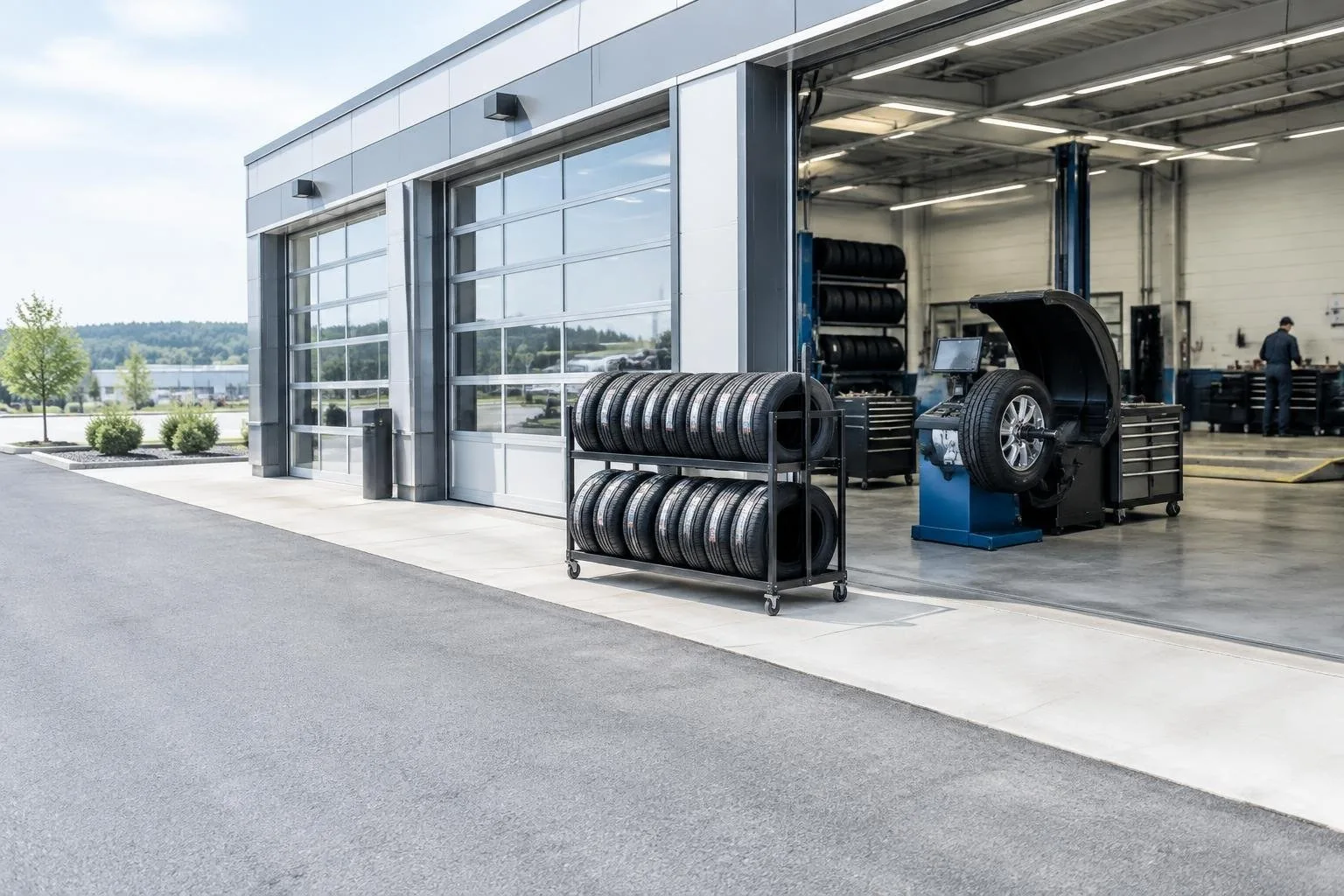
Tire selection changes how a performance SUV behaves more than most buyers realize. Tire compound, construction and size influence grip, ride comfort and thermal tolerance. Summer performance tires provide peak grip but overheat under sustained loads; all-season tires last longer but reduce ultimate cornering capability. Consider the expected use: spirited driving, towing, or mixed commuting.
Inspect recommended tire pressures for unloaded and loaded conditions and whether the vehicle offers tire pressure monitoring with load-adapted thresholds. For sustained performance, wider contact patches and stiffer sidewalls help steering precision, while cooling-friendly tread patterns and compounds resist thermal degradation during repeated high-load runs.
Practical test-drive script and scoring sheets
Use a structured test-drive script to compare models consistently. Script steps: 1) Acceleration run with engine heating; 2) Repeated braking exercises from highway speed; 3) Series of varying-radius corners with light and heavy braking; 4) Tow a test load over a sustained hill climb; 5) Evaluate comfort and NVH under load. Record quantitative data where safe: stopping distance, pedal travel, transmission temperatures, and brake feel.
Scoring sheet template (0–10 per item): Chassis balance, brake repeatability, cooling effectiveness, towing stability, differential functionality, tire appropriateness. Weight categories by intended use: for towing-heavy buyers, multiply towing stability and cooling by 1.5; for track-focused buyers, weight brake repeatability and differential function higher. Totals reveal which model best matches priorities.
Insights and exceptions
High horsepower does not guarantee usable performance when brakes overheat or transmissions go into limp mode. A well-engineered mid-power platform with robust cooling and tuned differentials often outperforms raw-power competitors in real-world sustained use. Conversely, some vehicles sacrifice daily comfort for track tuning that is less suitable for towing or long-distance hauling.
Models with extensive electronic intervention can feel predictable but may mask mechanical limits; verify behavior with and without stability aids where legal and safe. Vehicles with modular gearing options can be reconfigured for towing or sport use, but confirm component cooling and service schedules before altering factory setups.
Buyers who apply this checklist and use the test-drive script will end up with a practical score that reflects sustained usability rather than headline acceleration numbers. For immediate action, prepare a prioritized list of the buyer’s primary uses, print the scoring sheet, and schedule back-to-back test drives with identical test loads to produce comparable results.