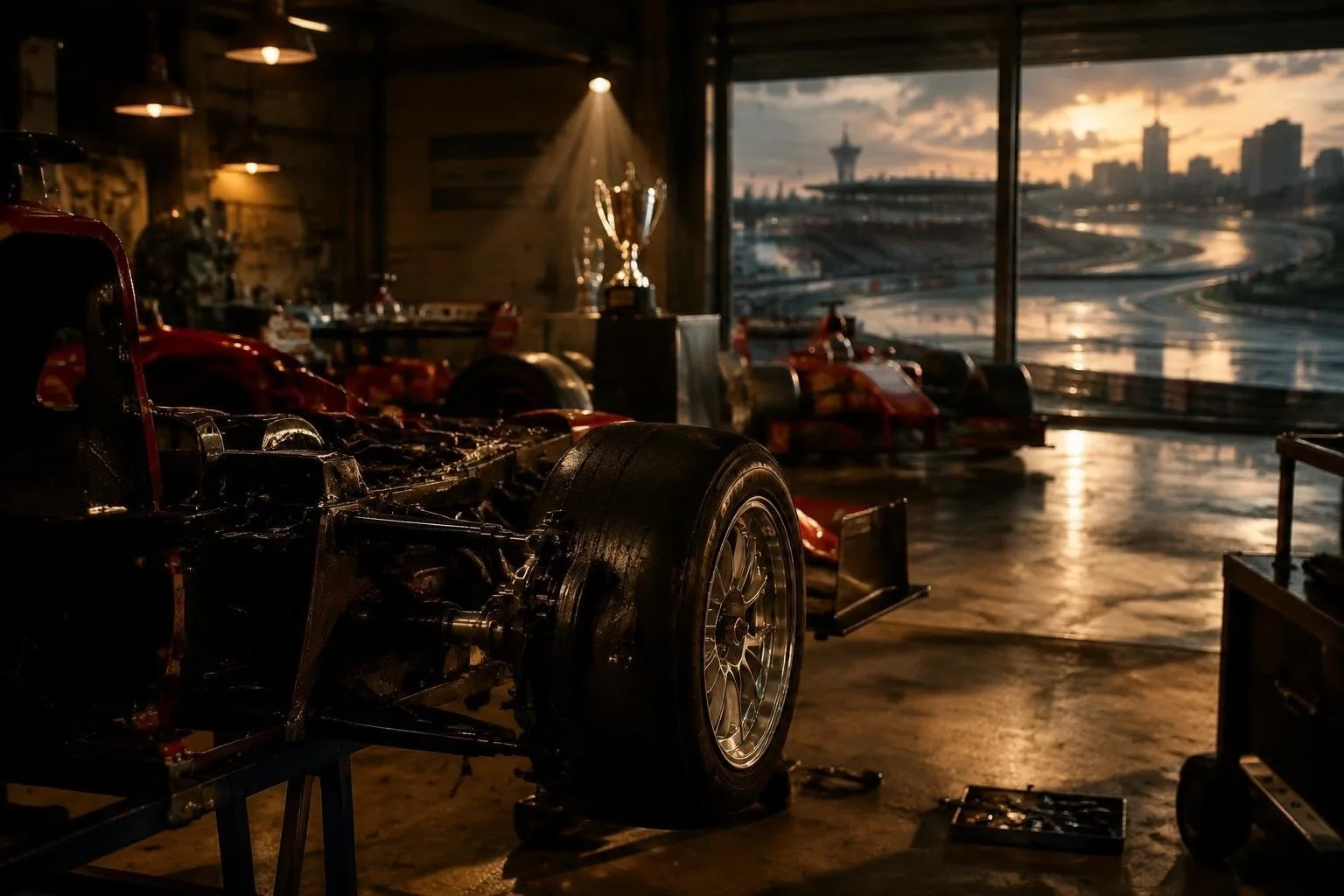
The Brazilian Grand Prix delivered a textbook example of how quickly a Formula 1 weekend can flip. Lando Norris started from pole but slipped off the line, dropping to the back of the top three. A sudden rain shower forced every team onto intermediate tyres before the track dried and slicks became mandatory. Norris managed to stay composed, avoided costly mistakes, and reclaimed the lead on the final stint, securing his third victory of the season and a second consecutive win at Interlagos.
Key moments that defined the race
From the first lap, the circuit was a roller-coaster of grip levels. The early rain produced standing water around Turn 1 and the long back-straight, prompting drivers to wrestle with aquaplaning. Max Verstappen found himself at the very back of the grid, P21, after a problematic qualifying session. He capitalised on the chaotic opening laps, threading his car through a dense pack and gaining ten positions within two laps. Once the track cleared, Verstappen switched to slicks but reported an abnormal over-steer in high-speed corners, suggesting a possible aerodynamic imbalance.
Mid-race, McLaren introduced a new front wing that improved downforce on the drying surface. Norris described the upgrade as “working as intended,” giving him the confidence to push on the slicks while his rivals struggled to find a stable window. Isack Hadjar, driving for Red Bull, battled through the tyre transitions, moving from intermediates to softs without losing pace, and ultimately claimed third place: his third podium of the year.
Drivers reflect on a race of extremes
In the post-race interview, Norris emphasized the importance of staying calm: “The conditions were ruthless, but I kept a clear head and didn’t make any errors on the slicks.” He also praised his crew for relentless work during the weekend, noting that the win was as much a team effort as an individual triumph. Verstappen, when asked about his climb from the back, highlighted the “overtaking masterclass” he performed, admitting that the car developed a strange balance after the slick change, yet still allowing him to finish second.
Hadjar acknowledged the difficulty of switching compounds, especially the brief stint on soft tyres that followed a grueling intermediate phase. He confessed a small mistake that let Verstappen close the gap, but expressed satisfaction with the result, calling it “the most challenging podium we’ve earned this season.”
Tyre performance and technical takeaways
The weekend served as a stress test for Pirelli’s wet-spec compounds. Drivers noted that when the tyres were cold they behaved like “rock,” offering minimal grip, but once they warmed up they provided a usable window for attack. Norris mentioned that Interlagos is a good venue for building tyre temperature, stating, “the track lets you get the rubber on quickly, which helped us execute our strategy.” Verstappen added that the narrow operating range of the intermediate compound limited his ability to push after the initial rain stopped.
Both McLaren and Red Bull will analyse the unexpected over-steer Verstappen experienced on slicks. The team suspect a loss of rear aerodynamic efficiency, a factor that could be addressed before the final races. Meanwhile, McLaren’s new front wing appears to have delivered the desired increase in downforce, reinforcing their confidence in the development path.
Looking ahead to the season finale
With the championship already decided, the final races will focus on securing positions in the Constructors’ standings and testing components for next year. Norris warned that “the pressure never disappears; every lap still demands perfection,” while Verstappen emphasized that the team will use the remaining weekend to gather data for the 2027 car. Hadjar, reflecting on his performance, said the experience of battling under variable conditions will be invaluable as he aims for more consistent results.
Overall, the Brazilian Grand Prix showcased the unpredictability of wet-to-dry racing, rewarded driver composure, and highlighted the ongoing development race among teams. The podium of Norris, Verstappen, and Hadjar will be remembered as a testament to adaptability in the most demanding conditions.