
Argomenti trattati
- Alpine abandons mid-season 2026 upgrade push to build next-generation car
- Why Alpine shifted focus
- Risks and potential rewards
- Early indicators from testing and paddock chatter
- How to read the numbers
- What “best of the rest” looks like in 2026
- Key variables that will decide Alpine’s standing
- Season scenarios
- Alpine’s path this year could follow several narratives:
- What to watch
Alpine abandons mid-season 2026 upgrade push to build next-generation car
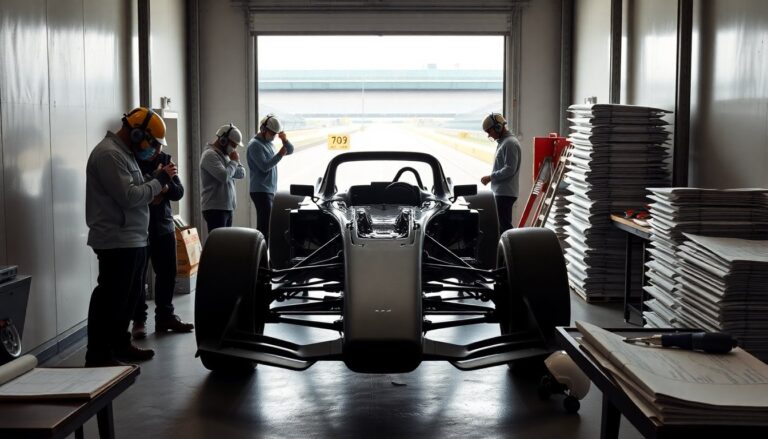
Alpine quietly pressed pause on its 2026 upgrade programme, diverting engineering, aero and simulation resources into the design of the next-generation car. Rather than chasing incremental gains this season, the team opted for a bolder strategy: sacrifice short-term competitiveness in the hope of a larger leap when the regulations reset.
That gamble showed up in plain sight at the track. Alpine wound up toward the back of the 2026 Constructors’ standings and even moved its hospitality to the far end of the Bahrain pit lane — a visible sign of a year spent conserving resources. The arrival of Cadillac as the sport’s eleventh team softened the sting somewhat, but the message was clear: Alpine was managing this season with one eye on tomorrow.
Why Alpine shifted focus
Faced with sweeping technical change, Alpine judged that the crucial choices — chassis packaging, cooling layout and core aerodynamic philosophy — needed to be made now, not tinkered with later. Early decisions on those fundamentals tend to lock in a team’s development path; get them wrong and recovery is expensive and slow.
So instead of spreading engineers thin across short-term updates, the squad concentrated effort on the next-generation platform. The hope: a coherent technical direction from the outset that avoids costly reversals down the line. The trade-off was straightforward — fewer upgrades this season, and thus a smaller chance of squeezing extra performance from the current car, but a better chance of starting the reset on stronger foundations.
Risks and potential rewards
The strategy is high risk, high reward. Halting upgrades conserved budget and staff hours, but it also translated into weaker on-track results in the near term. Pressure on the design programme increased: the new car must deliver a competitive baseline when the rules change, or the season-long sacrifice will have been for nothing.
If it pays off, though, the upside is significant. By front-loading investment into core architecture, Alpine could avoid the familiar scenario where teams spend the first half of a new era playing catch-up. Early signs from the redirected programme suggest the gamble might produce measurable advantages.
Early indicators from testing and paddock chatter
Initial test sessions and conversations in the paddock have provided the first reason for cautious optimism. Lap data and aero balance figures, backed up by driver feedback, indicate a package that feels more integrated than Alpine’s late-stage 2026 spec. Test times and stint behaviour point to improved balance and lap-to-lap stability — encouraging, albeit early, datapoints.
Around the garage, the mood has shifted from frayed urgency to quieter confidence. Engineers describe clearer development targets and fewer forced compromises when setting up the car. Combine that with competitive comparative times and you have the beginnings of an evidence base that the redirected effort is yielding returns.
How to read the numbers
Analysts typically judge midfield contenders by three things: consistent race pace, qualifying performance against immediate rivals, and tyre-life management across stints. Early metrics from Alpine tick a few of those boxes — better balance, steadier laps — but the midfield is tight. Rivals can erase gains with small aerodynamic or powertrain advances, so objective monitoring over several events (qualifying deltas, stint-by-stint degradation curves, reliability stats) will determine whether Alpine’s progress is lasting or temporary.
What “best of the rest” looks like in 2026
Being the “best of the rest” isn’t about a single quick weekend. It’s about reliably turning pace into points: strong qualifying that converts into race results, robust reliability, and the ability to extract value from upgrades over a season. Alpine has shown flashes that place them among candidates for that mantle, but durability of performance is the ultimate test.
Key variables that will decide Alpine’s standing
- – Timing and effectiveness of in-season upgrades: even with a big design push aimed at the regulations reset, the ability to refine and improve through the season still matters. – Power unit and systems reliability: pace means little if mechanical issues keep costing points. – Race strategy and pit execution: crisp decisions on race day can gain more than a few tenths on track. – Rivals’ development curves: how competitors use CFD, wind tunnel time and budget will shape the midfield pecking order.
Season scenarios
Alpine’s path this year could follow several narratives:
- – Upside case: early promise turns into consistent points and a clear edge over midfield rivals — regular top-10s, strong qualifying and meaningful championship gains. – Gradual progress: the team remains competitive but locked in with its closest opponents, trading positions throughout the season and finishing near the front of the midfield. – Stall-out: rivals out-develop Alpine or reliability bites; progress plateaus and points become scarce without a decisive step forward.
What to watch
That gamble showed up in plain sight at the track. Alpine wound up toward the back of the 2026 Constructors’ standings and even moved its hospitality to the far end of the Bahrain pit lane — a visible sign of a year spent conserving resources. The arrival of Cadillac as the sport’s eleventh team softened the sting somewhat, but the message was clear: Alpine was managing this season with one eye on tomorrow.0