
Argomenti trattati
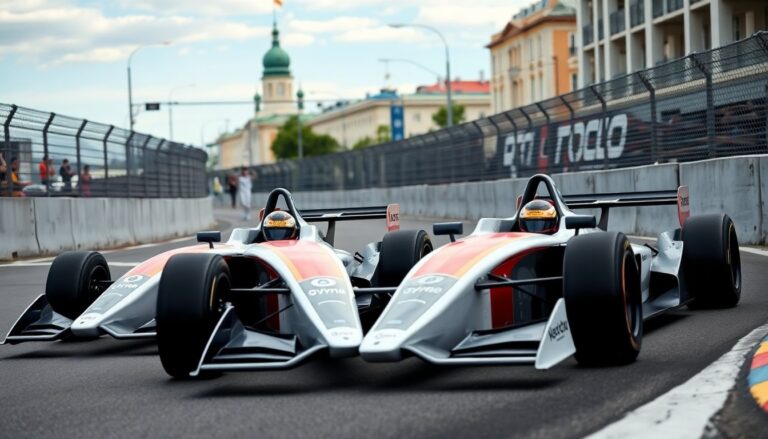
Dale Coyne Racing produced a surprise result in qualifying for the Firestone Grand Prix of St. Petersburg on 01/03/, placing two cars inside the Fast 6.
Rookie Dennis Hauger and returning driver Romain Grosjean set lap times that placed them third and sixth on the grid respectively. The session took place on the temporary street circuit in St. Petersburg. The outcome elevated the small team into contention against larger operations for the first race of the weekend.
The result generated visible excitement in the paddock. Crew members and engineers publicly acknowledged the squad’s performance after the session. Team sources attributed the pace to effective car setup and clean traffic management during the decisive runs.
Team sources attributed the pace to effective car setup and clean traffic management during the decisive runs. The result gained significance because it paired a driver on his first IndyCar weekend with a returnee who rejoined the lineup after several seasons away.
That combination signaled momentum and adaptability for the team at the Firestone Grand Prix. Observers said the performance underscored how meticulous preparation can deliver outsized returns in a spec series where margins are thin. Engineers credited precise setup choices and disciplined in-lap execution for extracting lap-time gains without overstepping the car’s limits.
Race strategists noted the result could reshape expectations for the main event, providing the team with tactical options they lacked entering the weekend. Attention now turns to race conditions and tyre life, factors likely to determine whether the qualifying promise converts into a points-paying finish.
What happened in qualifying
Qualifying at St. Petersburg is a short, intense affair that rewards precision and confidence. In that environment, Dennis Hauger advanced through the preliminary rounds to reach the Fast 6 and ultimately took third on the grid. His result stands out as a strong start for a rookie, demonstrating both composure and pace. Meanwhile, Romain Grosjean managed traffic and variable grip to claim sixth. Two top-six slots in the same session is unusual for a team of this size and underscored effective setup choices and execution under pressure.
Attention now turns to race conditions and tyre life, factors likely to determine whether the qualifying promise converts into a points-paying finish. Short street circuits often amplify tyre degradation and offer limited overtaking opportunities, which could magnify the importance of pit strategy and clean air. Track evolution during the race could benefit drivers who preserve their tyres early and capitalise on others’ mistakes.
Team sources say strategy meetings will focus on stint lengths, compound selection and traffic management. The team will also monitor weather and track temperature closely, both variables that can change tyre behaviour rapidly on street circuits.
Team response and atmosphere
The team area combined jubilation with immediate, methodical work. Engineers moved swiftly from celebration to race preparation. They analysed post-qualifying data to refine strategies on fuel, tyre management and overtaking windows.
Team principal Dale Coyne described the moment as “extraordinary”. The comment reflected a small squad achieving a performance above expectations. The mood mixed relief that the mechanical package and driver performance aligned with renewed ambition to score well in the race.
Crew chiefs adjusted setup plans and mapped tyre-stint scenarios. Data engineers scheduled further simulations to test pit-stop timings and degradation curves. The team also confirmed it would monitor weather and track temperature closely, variables that can change tyre behaviour rapidly on street circuits.
Officials said the immediate priority is converting qualifying position into race points while managing risks. Race execution and pit strategy will determine whether the early optimism yields a strong result.
Technical factors behind the surprise
Building on the team’s immediate shift from celebration to preparation, engineers identified a setup that balanced mechanical grip and aero stability on the St. Petersburg street course. That balance gave both drivers the confidence to push the final sectors without incurring excessive understeer or oversteer.
Crews also refined their tire warm-up procedures and selected a timing window that avoided heavy traffic, two procedural moves rooted in practiced racecraft. The convergence of mechanical setup and disciplined execution amplified the drivers’ ability to extract lap time and set the team up favourably for race day.
Driver performances compared
The previous emergence of mechanical setup and disciplined execution amplified the drivers’ ability to extract lap time. Dennis Hauger converted single-lap speed into a clean qualifying run. He produced consistent sector times and demonstrated measured throttle and brake control on the bumpy street sections.
Romain Grosjean drew on extensive street-circuit experience to find time in places others could not. He was particularly effective through the technical corners and in trimming pace where precision mattered. Together, their contrasting strengths validated the setup approach and provided a complementary package heading into race day.
Outlook for the race
Together, their contrasting strengths validated the setup approach and provided a complementary package heading into race day. With grid positions of third and sixth, Dale Coyne Racing has a realistic opportunity to score a substantial points haul at St. Petersburg.
The team will prioritise race strategy, including pit-stop timing, tyre conservation and traffic management. Street circuits punish small errors, so clean execution and incident avoidance will be paramount. Given the strong qualifying, the squad can adopt a proactive plan aimed at converting its starting places into podium contention or a top-five finish.
Strategic priorities
The crew will focus on fine-tuning fuel maps, finalizing pit-stop windows and reviewing overtaking plans between qualifying and race day at St. Petersburg. Work will concentrate on likely safety car scenarios and short-term measures to preserve tire life while maintaining race pace. The team also aims to convert the momentum gained on 01/03/ into greater confidence for the upcoming rounds.
The double Fast 6 at St. Petersburg represents more than two high grid slots. It signals the capabilities and resilience of a smaller operation in top-level open-wheel racing. By combining targeted technical adjustments, disciplined execution and encouraging driver displays, Dale Coyne Racing has turned a qualifying session into a platform for potential success on race day and beyond.