
Argomenti trattati
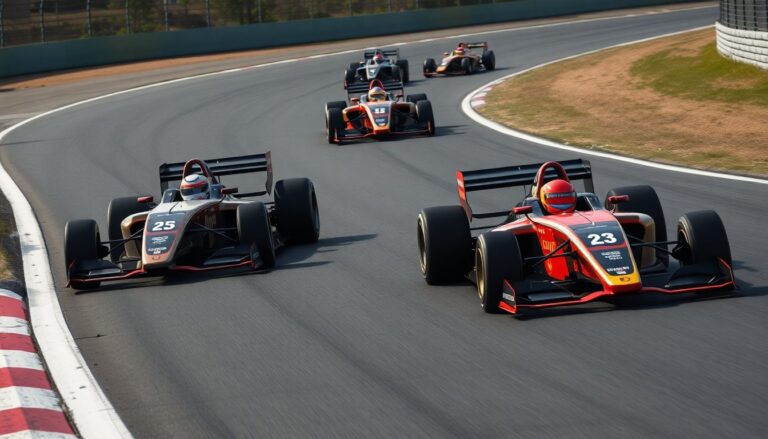
The opening rounds of the 2026 Formula 1 season exposed a striking shift in race dynamics. At the Australian Grand Prix the tally of overtakes ballooned to 120, compared with 45 in 2026, producing a spectacle that captured fan attention and sparked debate about the root causes of the change. Observers praised the renewed wheel-to-wheel action, while critics argued many passes happened when the car being passed was easing off power and therefore could not properly defend. That debate aside, the numbers are undeniable: racing looked and felt different, and teams, drivers and fans are all recalibrating expectations.
This transformation was not limited to the front of the pack. The early laps featured seven lead changes inside the first nine circuits, a sequence that instantly altered race narratives and momentum. Meanwhile, midfield and rear battles produced notable storylines: an established manufacturer scored points on debut, young talents outperformed expectations, and several pre-season favorites encountered unexpected setbacks. Those mixed outcomes underline how the new rules reshuffled competitive order and prompted fresh intrigue across the field rather than a single predictable storyline.
What happened on track at the Australian Grand Prix
The visible uptick in passing activity stemmed from a combination of design choices and in-race behavior. With 120 recorded passes versus 45 previously, the event felt livelier, particularly during the opening phase when drivers attacked aggressively and positions changed frequently. Some critics likened the effect to the old DRS era, suggesting that many overtakes were one-sided; defenders struggling with energy or brake balance were more vulnerable. Still, as the stints wore on the race settled into phases: an intense opening shuffle, a tactical mid-race period around pit stops, then renewed late-race exchanges as strategies diverged and systems were pushed to their limits.
Standout performances and retirements
Several drives stood out amid the chaos. A debuting Audi competitor climbed to ninth and delivered the marque its first points, a noteworthy result that would have been larger if not for an unrelated retirement by another contender. A Haas driver surged to seventh, while a rookie in a Racing Bulls car took eighth and outpaced more experienced teammates. Conversely, a mechanical failure forced a high-profile driver to retire his new team’s car, illustrating teething problems for entrants; another veteran soldiered on to the finish. These varied outcomes show how rule changes amplified both opportunities for surprise and the consequences of reliability issues.
Technical drivers of more passing
Beneath the spectacle lie technical factors that changed how cars interact during a race. Teams are wrestling with new systems like energy recuperation and deployment, and braking has emerged as a major variable—especially with novel rear-axle devices being trialed. Even elite drivers were caught out: top names suffered moments when complex braking setups or energy deployment windows produced unexpected behavior under deceleration. The result is a different on-track choreography: slipstreams, late-braking opportunities and tactical energy timing now combine to create more passing windows than last season.
How teams are adapting
Engineering teams are in a steep learning curve as they tune hybrids, brake-by-wire algorithms and recovery strategies. Some squads have found quick gains in race trim, while others continue to chase balance and consistency. The interplay between software-managed systems and driver inputs means setup decisions that once focused on pure mechanical grip now must incorporate electronic thresholds and recovery maps. If the pattern from the season opener persists, we can expect development to tighten gaps and change how overtakes form as the year progresses—as teams optimize energy recuperation and other critical systems for both qualifying and race scenarios.
Cadillac’s arrival and the broader motorsport context
Off the circuit, manufacturer movements also reshaped headlines. The Cadillac Formula 1 Team received final approval to join the grid and has been building toward a debut season in 2026 in partnership with TWG Motorsports and General Motors. The program announced experienced race drivers as its initial signings, added a high-profile reserve and named a test driver with strong open-wheel credentials. The team revealed its livery and has staged high-profile simulations and tests as it integrates into F1’s technical and sporting ecosystem ahead of the March 2026 grid entry window.
That expansion into Formula 1 takes place against a long motorsport backdrop that includes iconic events such as the Indianapolis 500, an endurance-style spectacle first run in 1911 at the Indianapolis Motor Speedway. The Indy 500, contested over 500 miles on a 2.5-mile oval, is part of the Triple Crown of Motorsport and carries traditions like the exposed yard of brick at the start/finish line and historic lap records set in earlier eras. Bringing new manufacturers into global series while venerable events continue their traditions highlights how motorsport blends innovation and heritage as it moves forward.