
Argomenti trattati
The automotive industry is experiencing significant transformations that require a reevaluation of how aspiring technicians receive their training. The Automotive Service Technician program combines online learning with practical experiences, equipping students with the essential skills needed to succeed in the repair sector for passenger and light-duty vehicles. This comprehensive approach not only prepares students for immediate employment but also aligns with the standards established by Automotive Service Excellence (ASE).
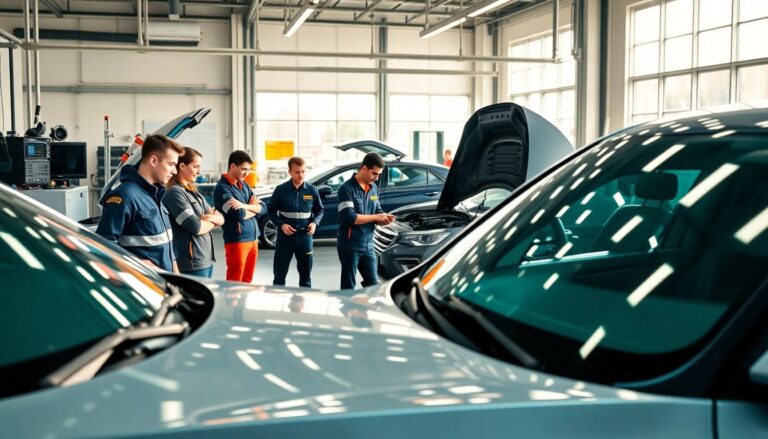
Understanding the fundamentals of automotive repair is the initial step for those pursuing a career in this field. The program introduces students to the industry, emphasizing safety protocols, conducting thorough multi-point inspections, and familiarizing them with common tools and equipment. Additionally, students explore electrical theory and vehicle engineering principles, which are crucial for diagnosing and resolving automotive issues.
Core concepts of automotive service training
Fundamental skills and knowledge
Beginning with the basics, students investigate various aspects of the automotive field. The curriculum addresses key topics such as vehicle operational principles, the importance of safety when using tools and lifts, and executing vehicle inspections. Practical exercises, including performing a vehicle walk-around as part of an inspection process, enhance students’ ability to communicate their findings effectively to customers.
Tool proficiency and electrical systems
A vital component of the training involves understanding and utilizing the correct tools for vehicle repairs. Knowledge of electrical systems is essential, as modern vehicles increasingly rely on advanced technologies. Students learn to troubleshoot wiring issues and apply hands-on skills to address electrical problems, ensuring they are well-prepared for real-world challenges in repair shops.
Industry dynamics and future trends
The automotive sector is not declining; it is navigating a period of profound change. Insights from industry experts indicate that market demand fluctuates, often influenced by consumer confidence and governmental incentives. Despite challenges, particularly the shift towards electric vehicles, the industry remains resilient and adaptable.
Consumer preferences and market changes
The transition towards environmentally friendly vehicles is apparent, with hybrid models leading the way. Hybrid vehicles, including mild hybrids and plug-in hybrids, are gaining traction as they provide a gradual shift for consumers accustomed to traditional gasoline and diesel engines. This evolution reflects a broader cultural shift, where the automobile remains central to family life, yet comes with new considerations regarding regulations and technology.
Technological advancements and customer experience
Modern vehicles are increasingly complex, functioning like computers on wheels. Features such as Advanced Driver-Assistance Systems (ADAS) and automatic emergency braking enhance safety and convenience. However, this technological complexity can create confusion among consumers. Consequently, the role of automotive dealerships is evolving from mere vendors to trusted advisors, guiding customers through their purchasing journeys.
The role of repair shops in the transition
As the market evolves, repair shops are crucial in maintaining older vehicles and adapting to new technologies. The increasing average age of vehicles on the road has led to a surge in demand for repair services, highlighting the importance of skilled technicians. However, the industry faces a significant challenge: a shortage of qualified personnel. The lack of trained technicians could impede the industry’s ability to adapt to ongoing changes.
Ensuring that the next generation of automotive technicians is well-prepared necessitates ongoing investment in training and education. Addressing the skills gap is vital for a successful transition, as is creating a clear pathway for newcomers to the field. Establishing stable regulations and incentives can foster an environment of trust and growth within the automotive market.
The automotive industry stands at a crossroads where clarity and adaptability are essential. As the landscape evolves, aspiring technicians must possess the knowledge and skills to navigate this changing environment. With the right training and support, they can emerge as key players in an industry that extends beyond transportation, embodying a larger commitment to innovation and sustainability.