
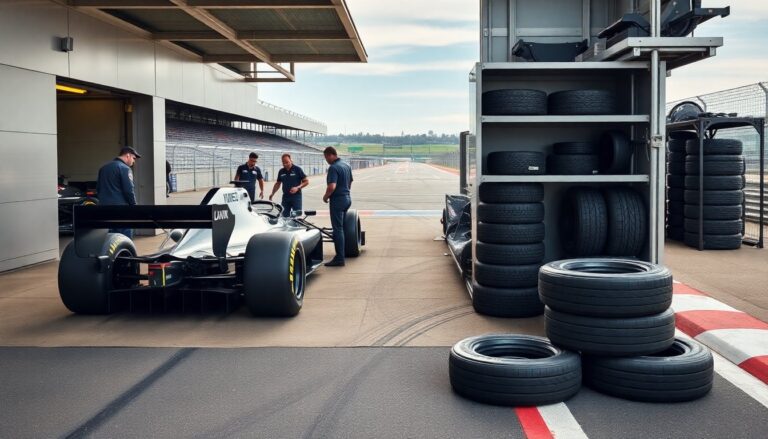
Formula 1 arrives in Melbourne for the first race weekend of the 2026 season, with Albert Park hosting qualifying on March 7 and the grand prix itself on March 8. Two practice sessions have already given teams and fans the earliest hints of how the new technical rules will reshuffle the order — but Saturday’s final practice and qualifying should deliver the first real picture of raw pace.
What teams brought to Australia
Teams have arrived with a wide variety of setups and aerodynamic packages as engineers chase the best compromise under the new regulations. Practice running has been a busy mix of short, blistering tyre checks and long-run simulations; crews have been tweaking cooling, aero balance and tyre pressures as temperatures changed across the day. Expect more last‑minute adjustments before FP3 as everyone hunts for the ideal trim for a qualifying lap.
How and when to watch
– Free Practice 3 and qualifying: Saturday, March 7 (FP3 leads straight into qualifying). – Race: Sunday, March 8 — 58 laps of the 5.278 km Albert Park circuit. Broadcasting: Sky Sports remains the live TV partner in the UK (Sky Go and NOW for streaming). In the US, sessions stream on Apple TV under the new media deal. F1 TV is available globally as the sport’s subscription streaming service. Motorsport.com will run live text coverage. Check local listings and platform access ahead of the sessions.
Early running: who impressed
Friday produced mixed signals. Charles Leclerc topped FP1, while hometown favourite Oscar Piastri led FP2. Mercedes looked strong over longer stints, suggesting race pace could differ significantly from single-lap form. But with redesigned power units and revised aero rules, nothing is nailed down until the official qualifying times appear on the board.
Tyres, strategy and the energy game
Pirelli’s revised 2026 construction — narrower profile, smaller contact patch on the same 18‑inch rim — has changed how rubber heats up and wears. The softer compounds still offer the peak grip you want for qualifying and the opening laps, while the harder tyres lengthen stints and reduce the number of pit stops. Teams are juggling immediate lap time versus stint durability more carefully than usual.
On top of that sits the new energy-management system. Drivers can deploy electrical boosts around the lap when charge permits, which adds a tactical layer to both qualifying and the race. Use too much electrical assistance to defend or attack and you’ll have less available later; preserve too much and you might lose track position. Tyre degradation and energy strategy are now tightly linked, so engineers are modelling these windows with much greater detail.
Weather and the track picture
Conditions in Melbourne look relatively cool and mostly cloudy for FP3, with air temperatures near 17°C and a modest 30% chance of rain. Qualifying should warm the air to around 20°C, with winds building to roughly 14 km/h and gusts up to 22 km/h. Cooler track temps will slow tyre warm-up and could favour setups that work with higher suspension angles. Teams are preparing flexible plans in case the clouds break or showers appear.
What to watch in qualifying
– Short, hot runs: expect teams to prioritise aggressive tyre work to validate single-lap pace. – Long runs: used to build race plans and understand degradation under the new compounds. – Energy deployment: look for last-minute gambits — drivers may try to time battery boosts to unsettle rivals. – Manufacturer differences: pay attention to who handles asymmetric loads best through kerbs and high-speed corners.
Notable entrants and storylines
Manufacturer-backed efforts from Audi and Cadillac are among the headline entries this year, joined by rookies and established names such as Arvid Lindblad, Sergio Pérez and Valtteri Bottas. Past winners and poles at Albert Park include Lando norris and Max Verstappen, and Melbourne has a history of dramatic starts and strategy surprises — a reminder that practice pace doesn’t always tell the whole story.
Pit stops and technical tweaks
Pit-stop time loss remains a key variable. Teams are running extra tyre programmes in practice to map thermal buildup and degradation curves, adjusting tyre blanket settings and qualifying prep to suit the slimmer contact patches. In the final hours before qualifying several squads changed rear tyre pressures after practice data suggested higher-than-expected thermal gradients.
What teams brought to Australia
Teams have arrived with a wide variety of setups and aerodynamic packages as engineers chase the best compromise under the new regulations. Practice running has been a busy mix of short, blistering tyre checks and long-run simulations; crews have been tweaking cooling, aero balance and tyre pressures as temperatures changed across the day. Expect more last‑minute adjustments before FP3 as everyone hunts for the ideal trim for a qualifying lap.0
What teams brought to Australia
Teams have arrived with a wide variety of setups and aerodynamic packages as engineers chase the best compromise under the new regulations. Practice running has been a busy mix of short, blistering tyre checks and long-run simulations; crews have been tweaking cooling, aero balance and tyre pressures as temperatures changed across the day. Expect more last‑minute adjustments before FP3 as everyone hunts for the ideal trim for a qualifying lap.1