Arriving in my RV at The Ridge Motorsports Park the evening before the program began, I felt a mixture of excitement and nervous anticipation. I wasn’t there to compete for podium spots; I was simply looking to sharpen my street-riding habits under professional eyes. The California Superbike School (CSS) promised a structured, two-day immersion that would blend classroom briefings with short, focused track bursts. My goal was clear: identify ingrained errors, replace them with smoother inputs, and leave the paddock with skills that translate directly to daily road riding.
Ridge Motorsports Park – a demanding circuit
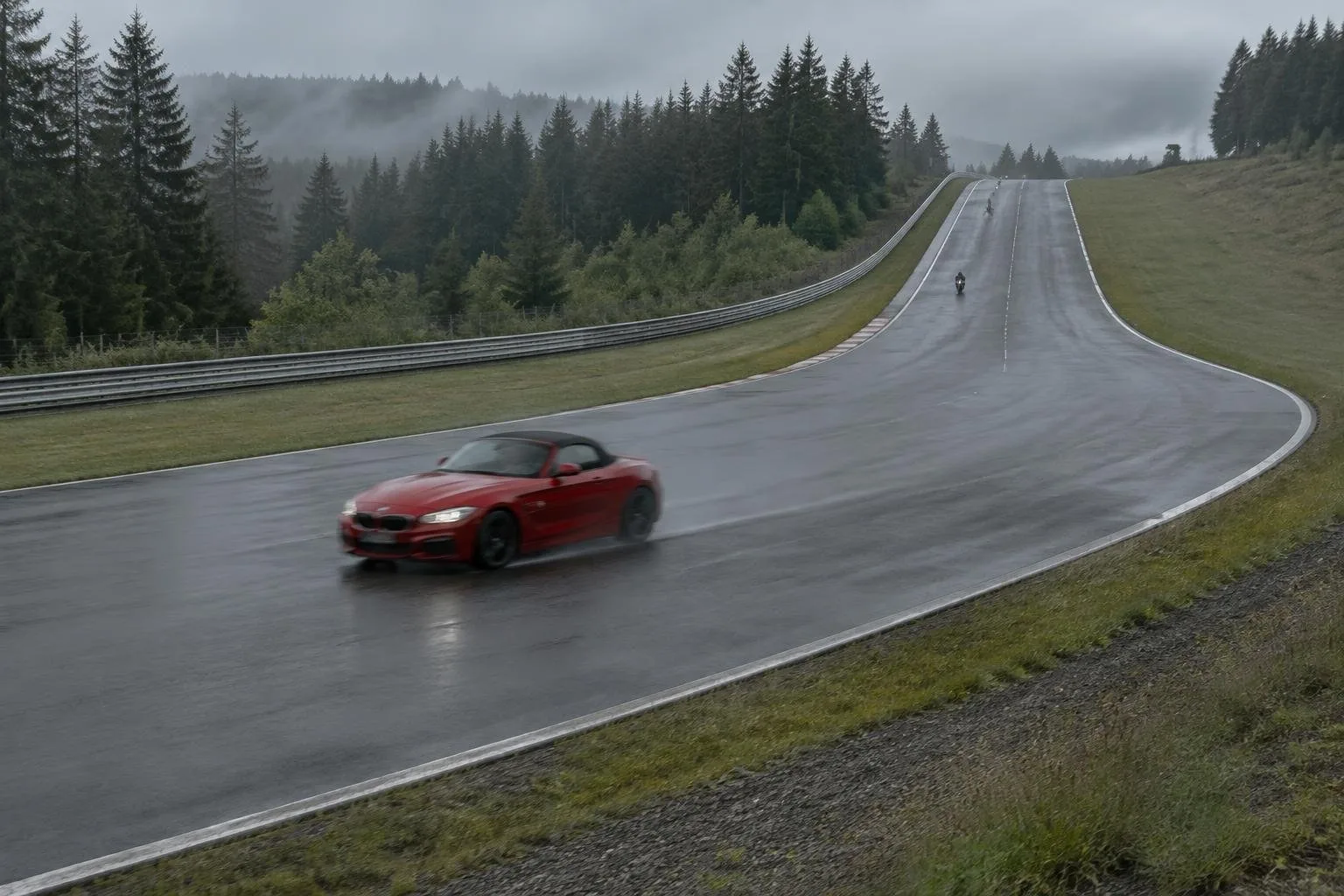
Set amid the rolling hills of Shelton, Washington, Ridge Motorsports Park is a 2.47-mile, 16-turn layout that boasts more than 300 feet of elevation change each lap. Riders encounter a dramatic 50-foot drop, blind crests, sweeping sweepers and tight technical sections that constantly test braking points and sight lines. The forested surroundings add a visual complexity that forces a rider to look ahead, plan entry-exit vectors, and manage throttle transitions with precision. Because the track challenges both the mind and body, it makes an ideal laboratory for the CSS teaching model.
What the two-day CSS program looks like
The camp runs on a tight schedule: seven on-track sessions per day, each lasting roughly twenty minutes, wrapped around brief classroom modules. Participants may ride a supplied BMW S 1000 RR or bring their own machine; I was paired with a BMW G 310 R, which allowed me to flat-foot at a standstill—a useful safety net for a rider still shaking off old habits. The curriculum focuses on fundamentals—smooth control, reduced error frequency, and smarter decision-making—rather than outright lap-time chasing. The Two-Day format improves the student-to-coach ratio to 2:1, ensuring that each rider receives individualized feedback after every run.
Morning registration and gear fit
We reported at 7 a.m. to a bustling pit lane full of gleaming BMWs, fuel stations, and the familiar CSS semi-trailer. After a quick name-badge sticker was placed on our helmets, the gear-distribution desk, managed by Connor, took over. He efficiently matched each rider with the correct size of AGV leathers, gloves, boots, and KYT helmets, noting every loaned item for the next day’s hand-over. The fit of the leathers felt snug yet comfortable, and the staff’s friendly demeanor lowered any lingering anxiety. A modest breakfast—cereals, boiled eggs, fruit, water, Skratch Labs drink, and fresh coffee—kept us fueled for the morning briefings.
Classroom briefing and visual theory
Inside a modest classroom, Dylan Code, son of legendary instructor Keith Code, presented the day’s agenda. He used clear visuals to explain the importance of where to look through a corner—a concept often reduced to the vague advice “look through the turn.” Dylan broke it down to foveal vision and saccades, showing how the eyes should jump from the turning point to the apex, then out the exit. The session also covered flag meanings, safety protocols, and bike-placement rules to keep the flow smooth. By the end of the briefing, I understood that a quick glance at the correct spot can dramatically improve line selection and braking confidence.
Coaching philosophy and on-track drills
One of the most striking revelations came from a conversation with Dylan about coach selection. He explained that CSS lives by the mantra “there are no failed students, only failed coaches.” In practice, this means every instructor is responsible for finding the rider’s personal barrier—whether it’s fear from a past crash or a contradictory habit—and devising a method to overcome it. The coaches observed each run, offered concrete corrections, and never relied on generic praise. This accountability created an environment where a rider could ask for clarification without judgment, and the instructor would adapt the explanation to match the rider’s learning style.
Key on-track exercises
After theory, we headed back onto the asphalt for a series of drills. One session, led by coach Eric, focused on countersteering using an outrigger-fitted bike that prevented a fall, allowing riders to experience lean growth without the risk of a low-side. Another drill tackled corner-entry speed by marking a precise turning point; riders practiced braking just before the point, then accelerating smoothly through the apex. We also explored tension management—how tightening the grip can unintentionally reduce bike stability—and learned to release pressure while maintaining control. Each exercise was followed by a quick debrief with the assigned coach, who highlighted the exact input that needed adjustment.
Takeaways and lasting impact
At the conclusion of the second day, every participant received a certificate of completion and a concise reference folder summarizing the core exercises and visual cues. Beyond the paperwork, I walked away with a new set of mental checkpoints: look to a defined turning point, maintain relaxed grip, and manage brake pressure in relation to elevation changes. My street riding now feels more deliberate; I make fewer unnecessary inputs and enjoy a smoother, safer experience. The two-day camp proved that focused coaching, even without a racing agenda, can dramatically elevate a rider’s confidence and enjoyment on any road.