
Argomenti trattati
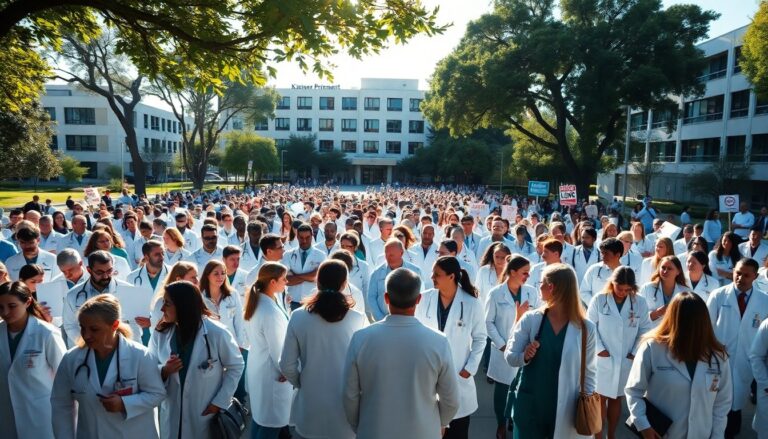
Amid ongoing negotiations, over 2,000 healthcare professionals from Kaiser Permanente in Hawaii are preparing for a series of statewide rallies. This mobilization follows a five-day strike in October, leaving these workers, represented by the UNITE HERE Local 5 union, without a contract. As discussions have extended for weeks without resolution, the urgency for change has led to planned demonstrations at various Kaiser locations.
Rallies are scheduled for Friday at multiple sites, including Mapunapuna from 12 to 1 p.m., Moanalua from 5 to 6 p.m., Maui Lani and Wailuku from 5 to 6 p.m., and Kona from 4:30 to 6 p.m. The ongoing lack of resolution in contract negotiations, which began in April for local talks and in May for national discussions, has left workers feeling undervalued.
Issues at the forefront of negotiations
The primary concern for the workers is the pay disparity compared to their counterparts in Southern California, where similar roles earn up to 25% more. This inequity has raised significant concerns among healthcare staff, who are advocating for a more substantial voice in staffing decisions and improved overall staffing levels to enhance patient care.
Voices from the frontline
Cade Watanabe, the Financial Secretary-Treasurer of the union, expressed frustration over the prolonged negotiations, stating, “Kaiser can do better; for its workers, our members, and our community.” He emphasized the commitment shown by union members in seeking a fair deal, which he believes is crucial for recognizing the value of Hawaii’s healthcare workers.
Chester Corpuz, a Certified Nursing Assistant at Kaiser Moanalua Medical Center, highlighted how staffing shortages impact patient care. He remarked, “Management often overlooks our concerns regarding staffing because they are not the ones attending to patients with life-threatening conditions.” Corpuz explained that with better staffing, he could provide improved care and avoid the challenging choices he faces daily when multiple patients require assistance simultaneously.
The broader context of healthcare in Hawaii
Hawaii’s healthcare sector is facing a significant workforce shortage, with over 4,600 positions left unfilled. This shortage not only places additional stress on existing staff but also compromises the quality of care provided to patients. The union’s concerns about staffing levels are echoed by many within the healthcare community, who recognize that adequate staffing is essential for quality patient outcomes.
Addressing the cost of living crisis
A recent survey of 2,000 Kaiser workers revealed that an alarming 84% have considered relocating due to Hawaii’s high cost of living. This statistic underscores the urgent need for improvements in compensation and working conditions, as many healthcare professionals are rethinking their futures in the state.
In response to these ongoing issues, the union has launched an outreach campaign through a new website, KaiserDoBetter.org, aimed at raising awareness among Kaiser patients and the broader community in Hawaii. This initiative reflects a growing determination among healthcare workers to advocate for their rights and the quality of care they provide.
As the rally day approaches, anticipation builds among union members, who hope their collective voices will prompt Kaiser Permanente to reconsider its approach to negotiations. The outcome of these discussions could significantly impact not only the workers’ conditions but also the healthcare landscape in Hawaii.