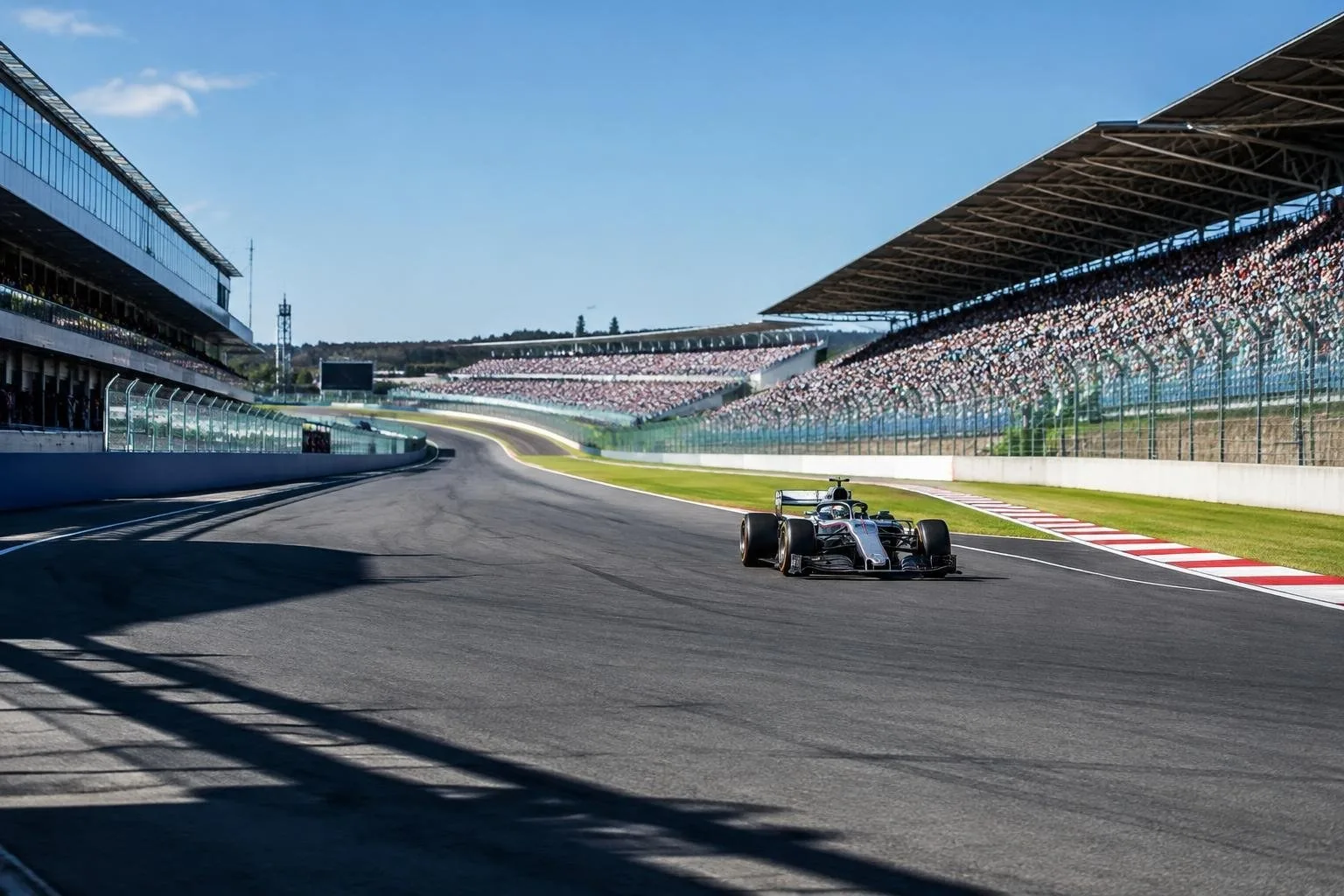
Toto Wolff, the head of Mercedes-AMG Petronas, addressed the press after the latest Grand Prix, emphasizing how extraordinary Kimi’s journey has been. The 20-year-old driver clinched the Formula 1 world championship in only his second season, a feat that places him among the sport’s most prodigious talents. Wolff reminded everyone that the raw numbers – the record books, the podium tally – only tell part of the story. The real narrative, he said, is built on the obstacles Kimi overcame, the doubts he faced, and the poise he displayed when the pressure peaked.
During the season, critics questioned whether a teenager could belong in a top-tier outfit like Mercedes. Wolff explained that the team’s belief in Kimi’s skill never wavered, and that those early challenges acted as a catalyst for growth. Young drivers often need a period of adaptation to the technical and mental demands of Formula 1, and the Mercedes camp felt Kimi used that period to sharpen his racecraft. The final race demonstrated the maturity Wolff admired; Kimi managed his opening stint flawlessly, kept composure when a red-flag erased his advantage, and executed a decisive overtake after the restart, sealing the title under immense scrutiny.
Kimi’s rapid ascent to world champion
The championship battle came down to a blend of raw speed, strategic insight, and mental resilience. Wolff highlighted how Kimi’s ability to read tyre degradation, choose optimal braking points, and maintain consistent lap times set him apart from rivals. Moreover, the young driver’s communication with engineers was cited as “laser-sharp,” allowing the team to adapt the car’s setup on the fly. Kimi’s performance not only broke age-related records but also reinforced Mercedes’ philosophy of nurturing talent through a supportive environment that balances freedom with disciplined data analysis.
George Russell’s resilient performance amid adversity
While Kimi stood on the top step of the podium, Wolff turned his attention to teammate George Russell, whose race was marred by a start-line deployment glitch. The incident stripped George of an early advantage and resulted in a penalty that forced him to fight from the back of the pack. Despite these setbacks, Russell managed to climb back to sixth place, showcasing the kind of determination Wolff described as “the soul of a true competitor.” Wolff admitted that the team had, on several occasions this season, fallen short of providing George with a car capable of fully expressing his speed, yet his perseverance remained a cornerstone of the outfit’s overall success.
Team effort behind the titles
Wolff reminded the audience that a championship is never the product of a single individual. Engineers in Brackley, mechanics in Brixworth, and the broader Mercedes-AMG family all contributed to the triumph. The synergy between the factory’s aerodynamic department and the on-track data analysts enabled rapid iteration of upgrades that kept the car competitive throughout the year. Appreciation was also extended to technical partner PETRONAS for its unwavering support, as well as to every staff member whose behind-the-scenes work ensured that the cars performed at the limit on race day. In Wolff’s view, the collective effort turned Kimi’s youthful promise into a historic world title.
Looking ahead, Wolff expressed confidence that both drivers will continue to grow together, emphasizing that the lessons learned from this season’s challenges will serve as a foundation for future campaigns. He concluded by thanking the entire Mercedes community, underscoring that the celebration belongs to everyone who helped turn a 20-year-old’s dream into a tangible reality on the sport’s biggest stage.