
Argomenti trattati
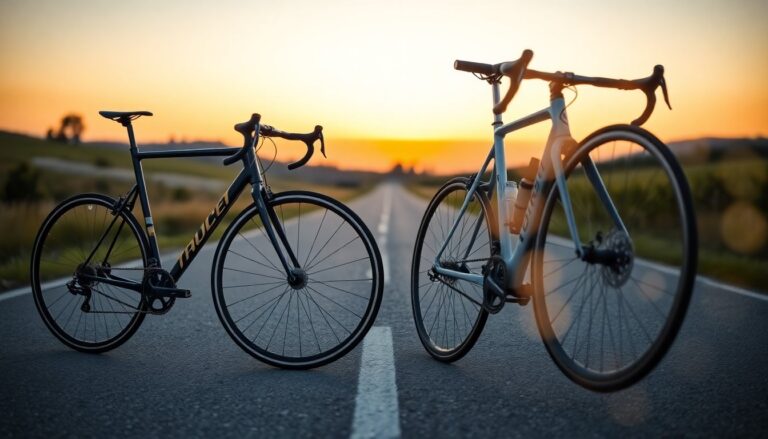
The world of road cycling has undergone a clear transformation over the past decades: frames, wheels and components all evolved, and so did rider expectations. In a controlled comparison, a 1993 MBK—fitted with 22mm tyres, box-section wheels, downtube shifters, rim brakes and a Columbus steel frame weighing 9.77kg—was ridden against a modern Specialized Aethos equipped with Shimano Ultegra Di2, Enve 4.5 wheels with Chris King hubs, TPU inner tubes, Vittoria Corsa Pro 30mm tyres, Favero power pedals and a 36cm Enve SES aero handlebar. The side-by-side trial highlights practical differences that matter on the road.
Beyond head-to-head testing, the cycling scene also intersects with crowdfunding: some bike-related projects have become successful businesses, while others never delivered. Looking at both empirical performance tests and the crowdfunded marketplace gives a rounded view of how innovation reaches riders and which ideas truly change the experience of riding.
Aerodynamics and measurable speed gains
Aerodynamic development has progressed along multiple fronts: frame shaping, wheel depth, handlebar design and tyre profiles all contribute to lower drag, while riders benefit from improved positions and faster clothing and helmets. In a practical 3km flat circuit trial, the modern bike completed the course in 5:50 while the 1993 MBK recorded 6:18, translating to roughly a 7% advantage for the contemporary setup. That improvement is not solely due to tube shapes; wider 30mm tyres on modern wheels, more aerodynamic bars and optimized rider fit add cumulative gains. These combined factors show how marginal advances in many areas compound into noticeable speed differences on real roads.
Stopping power, shifting and cockpit tech
Braking and safety margins
One of the most visible changes is the move from rim brakes to disc brakes. In a simple braking test—approaching a line at 30kph and braking as hard as possible—the modern bike stopped in 11.5 yards (10.5 metres), while the 1990s MBK required almost twice the distance, about 21 yards (19 metres). That reduction in stopping distance is a major safety gain, particularly in wet or emergency situations, and illustrates why many riders accept the shift to disc-equipped frames and wheels even when aesthetics or tradition pull them the other way.
Gearing, electronics and rider interfaces
Shifting ergonomics and precision have also advanced dramatically. Older machines often relied on friction shifting and downtube levers, where the rider manually positioned the lever for a clean change. Modern groupsets use indexed shifting—each click moves the derailleur a defined amount—and electronic systems like Di2 deliver fast, consistent, and low-effort shifts. Meanwhile, today’s bike computers have evolved from single-purpose speedometers to multifunction heads-up devices. Units such as Hammerhead’s Karoo offer customizable data fields, music control, an extensions library and features like custom nutrition alerts to remind riders to eat and drink, helping maintain steady performance over long rides.
Crowdfunding lessons: hits, misses and what to watch for
Crowdfunding platforms have launched both practical products and novelty ideas in cycling. Some projects failed to reach targets (for example, CycleWing aimed to add sail propulsion to a bicycle but raised only £2,489 against a £55,771 goal), while others delivered curious but real items—RAF 1, an air-filled backpack claiming drag reduction and an integrated airbag, reached a modest target and shipped. Larger successes include Tailfin, which turned a lightweight carbon rack into a sustainable business after smashing its initial 2016 Kickstarter, proving there is market demand for premium bikepacking hardware.
Other recent crowdfunded ventures show a range of outcomes that riders should study before backing. Cybersight’s HUD Guardian glasses drew over £610,000 on Kickstarter and planned broader availability from July 2026, demonstrating strong consumer interest in augmented displays. Body Rocket, a real-time drag-measurement system, almost doubled a £22,000 target in late 2026 and scheduled shipping for the end of June 2026 with a price around £2,950; its promise is to deliver near wind-tunnel accuracy on the road. These examples underline a simple rule for backers: research the creators, read terms on platforms that position themselves as a marketplace, and accept that even promising concepts face manufacturing and fulfillment risks.
Takeaways for riders
When you weigh nostalgia against progress, the numbers speak clearly: modern equipment delivers measurable benefits in speed and stopping power, while electronics and smarter cockpit devices improve consistency and data-driven training. Simultaneously, crowdfunding remains a fertile but uneven ground for cycling innovation—capable of producing both game-changing products and fizzled promises. Whether you cherish the charm of a steel-framed 1993 MBK or prefer the refined performance of a Specialized Aethos, the important choice is informed by facts: test data, component specifications and the reputation of the maker or creator.