
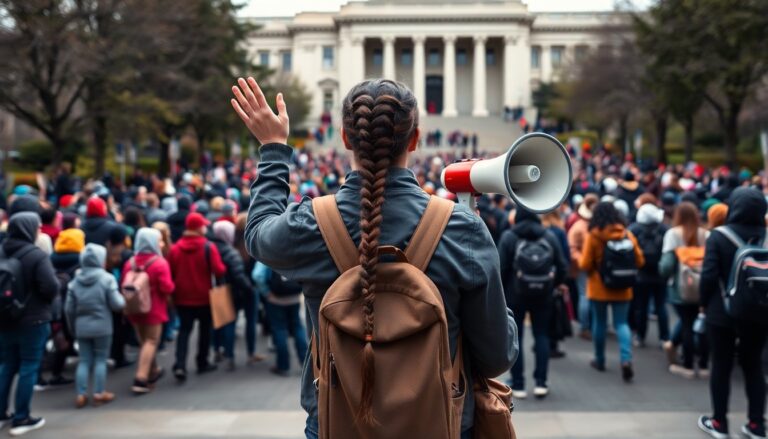
Nearly 2,000 middle- and high-school students walked out of class and converged on the Oregon Capitol on Feb. 27, 2026. The demonstration, organized by youth group Latinos Unidos Siempre, was co-led by 16-year-old Arely Rodriguez, a McKay High School student who asked lawmakers to pay attention to how federal immigration enforcement is rattling families across the district. The rally blended speeches, cultural dance and a lap around the Capitol grounds, as young people tied everyday school struggles to broader state policy.
At the heart of the protest was a simple, piercing message: immigration enforcement is not just a legal or political issue — it reaches into classrooms. Students and organizers described a steady stream of detention notices, court dates and the uncertainty that lingers after federal activity in neighborhoods. Those interruptions, they said, lead to missed classes, falling grades and a constant background anxiety that makes learning harder.
Families living near enforcement operations say their daily routines have been upended. Organizers pointed to attendance trends and personal testimony showing how household upheaval becomes school upheaval: kids pulled from class for court dates, siblings juggling caretaking duties, and students arriving anxious or unable to focus. The rally was meant to force policymakers to account for those real-world costs when they write enforcement and education policies.
The students brought a tight, practical list of demands aimed at keeping schools safe places for learning. Chief among them: clear district rules and state laws that restrict immigration agents’ access to campuses without a warrant, along with protections to prevent schools from sharing student or family information with federal agencies. They also called for stronger safeguards around records and communications so routine messages to parents don’t unintentionally expose undocumented relatives.
Beyond legal limits, organizers pushed for more on-site supports. Their wish list included expanded mental health services, bilingual counselors, and staff training in trauma-informed care and students’ legal rights. Concrete school-level proposals included confidentiality protocols, regular know-your-rights workshops, partnerships with legal-aid groups, and designated family-support contacts who could help navigate emergencies.
The students connected each ask back to classroom outcomes: less anxiety, fewer absences, and improved focus. They urged district and state leaders to offer binding timelines and clear commitments, promising to keep tabs through follow-up meetings and public progress reports.
On the legislative front, demonstrators backed an immigrant justice package that includes House Bill 4079. The bill would require schools and universities to notify students and families about immigration enforcement actions that occur on or near campuses and add protections intended to shield educational settings. Advocates also want clearer guidance for schools and hospitals that interact with federal officers, tighter data protections to prevent sharing personally identifiable information, and limits on certain law enforcement practices to increase accountability. One specific school policy the students urged the district to drop: Yondr pouches, lockable phone cases that can block urgent family communication during immigration checks and, according to attendees, heighten anxiety.
Latinos Unidos Siempre spread the word widely through social media, shared bill summaries and arranged transportation so students could reach the Capitol. Around 11:30 a.m. teens streamed out of their schools and by about 12:30 p.m. had gathered on the Capitol mall. The program mixed speakers with cultural performances before Rodriguez led a march around the grounds.
The crowd sketched a cross-section of the district’s youth, including many middle-schoolers who accepted unexcused absences to take part because, they said, the issue mattered more than a missed class. A small group of counterprotesters confronted marchers briefly; some bottles were thrown, but police reported no injuries and no arrests.
What began as a school walkout ended up as a clear ask: recognize how enforcement seeps into everyday life and take policy steps to protect students and families. The students left the Capitol with demands, a timeline for follow-ups, and a vow to keep pressing until they see measurable change.