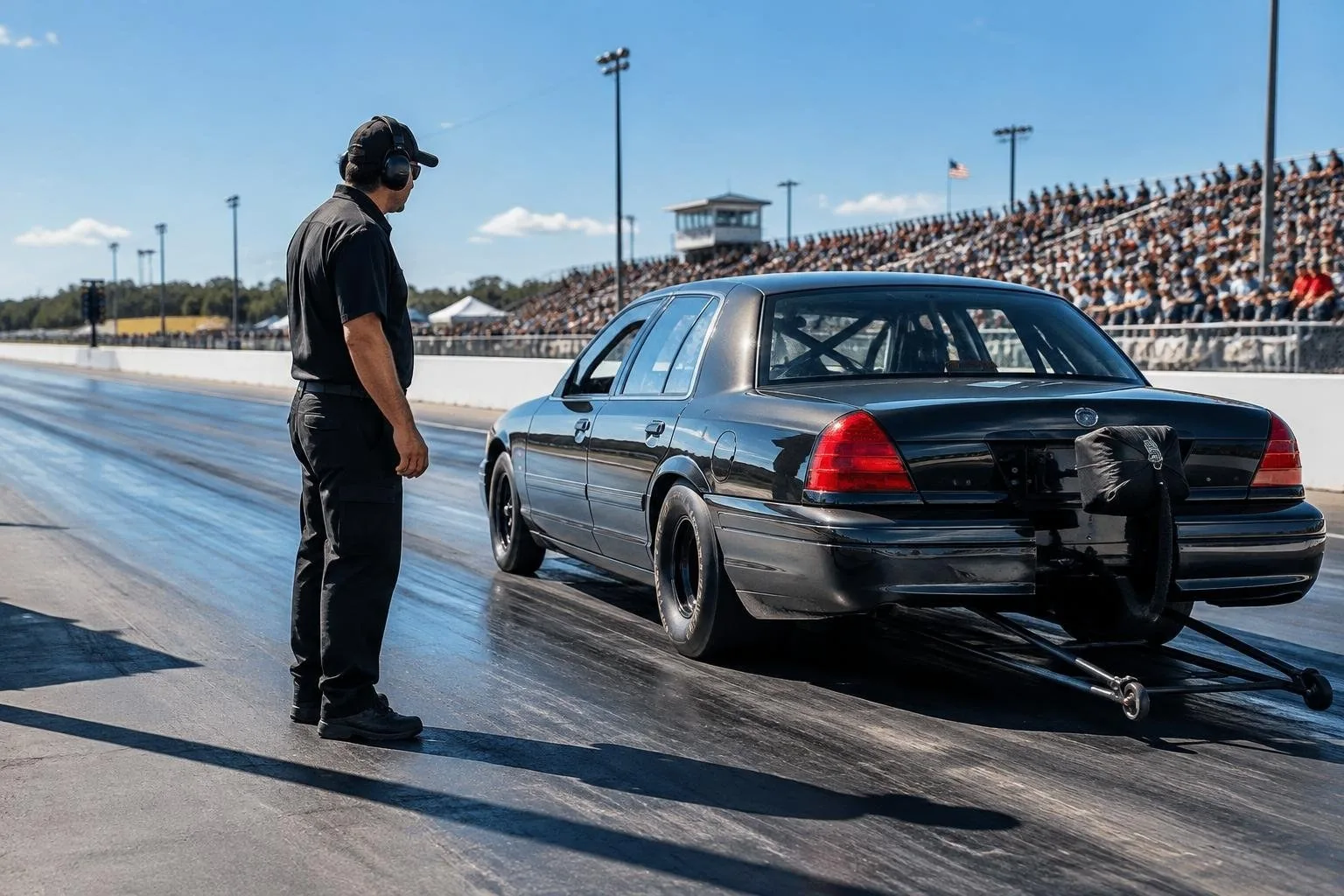
Driver fitness for racing refers to the physical and mental conditioning that enables drivers to perform at their best during competitions. Physical fitness is essential for withstanding the physical demands of racing, such as high g-forces, heat, and vibrations. A well-structured fitness program can help drivers improve their reaction time, neck strength, and forearm strength, all of which are critical for maintaining control of the vehicle.
The importance of driver fitness cannot be overstated. Racing is a physically demanding activity that requires a high level of physical fitness, mental toughness, and concentration. Drivers who are physically fit and mentally prepared are better equipped to handle the physical and mental stresses of racing, making them more competitive and safer on the track.
Neck and Forearm Strength
Neck strength is essential for maintaining control of the vehicle, particularly during high-g turns. Drivers can improve their neck strength through exercises such as neck bridges and planks. Forearm strength is also critical, as it enables drivers to grip the steering wheel firmly and maintain control of the vehicle. Exercises such as grip strengthening and wrist curls can help improve forearm strength.
Heat Management
Racing can be a physically demanding activity, particularly in hot and humid environments. Drivers need to be able to manage their body temperature to avoid heat-related illnesses. This can be achieved through proper hydration, cooling systems, and heat-acclimatization training. Drivers can also use cooling vests and cooling towels to help regulate their body temperature during competitions.
Reaction Time and Nutrition
Reaction time is critical for drivers, as it enables them to respond quickly to changing circumstances on the track. Drivers can improve their reaction time through training exercises such as go-karting and simulator training. A well-balanced nutrition plan is also essential, as it provides the energy and nutrients needed to support physical performance. A balanced diet that includes plenty of fruits, vegetables, and whole grains can help support physical fitness and mental performance.
Recovery Techniques
After a competition, drivers need to recover quickly to prepare for the next event. Recovery techniques such as stretching, foam rolling, and self-myofascial release can help reduce muscle soreness and improve flexibility. Drivers can also use compression garments and ice baths to help reduce inflammation and improve recovery.
Sample Weekly Plan
A sample weekly plan for drivers might include strength training on Mondays and Thursdays, cardiovascular training on Tuesdays and Fridays, and simulator training on Wednesdays. Sundays can be reserved for rest and recovery. This plan can be tailored to meet the specific needs and goals of each driver, and can be adjusted as needed to avoid overtraining and prevent injury.