When the city-car manufacturer Smart decided to experiment beyond its standard lineup, it launched a series of limited-edition models that quickly became collectors’ items. Between 1998 and 2003 the brand released more than a dozen special versions, each distinguished by a unique paint scheme, exclusive equipment or a partnership with an external brand. While production volumes were always modest – ranging from a few hundred to several thousand units – every edition carried a badge, a numbered plate or a bespoke interior that announced its rarity.
Early exclusive runs: Limited 1, Smartville and Silverstyle
Limited 1 (October 1998)
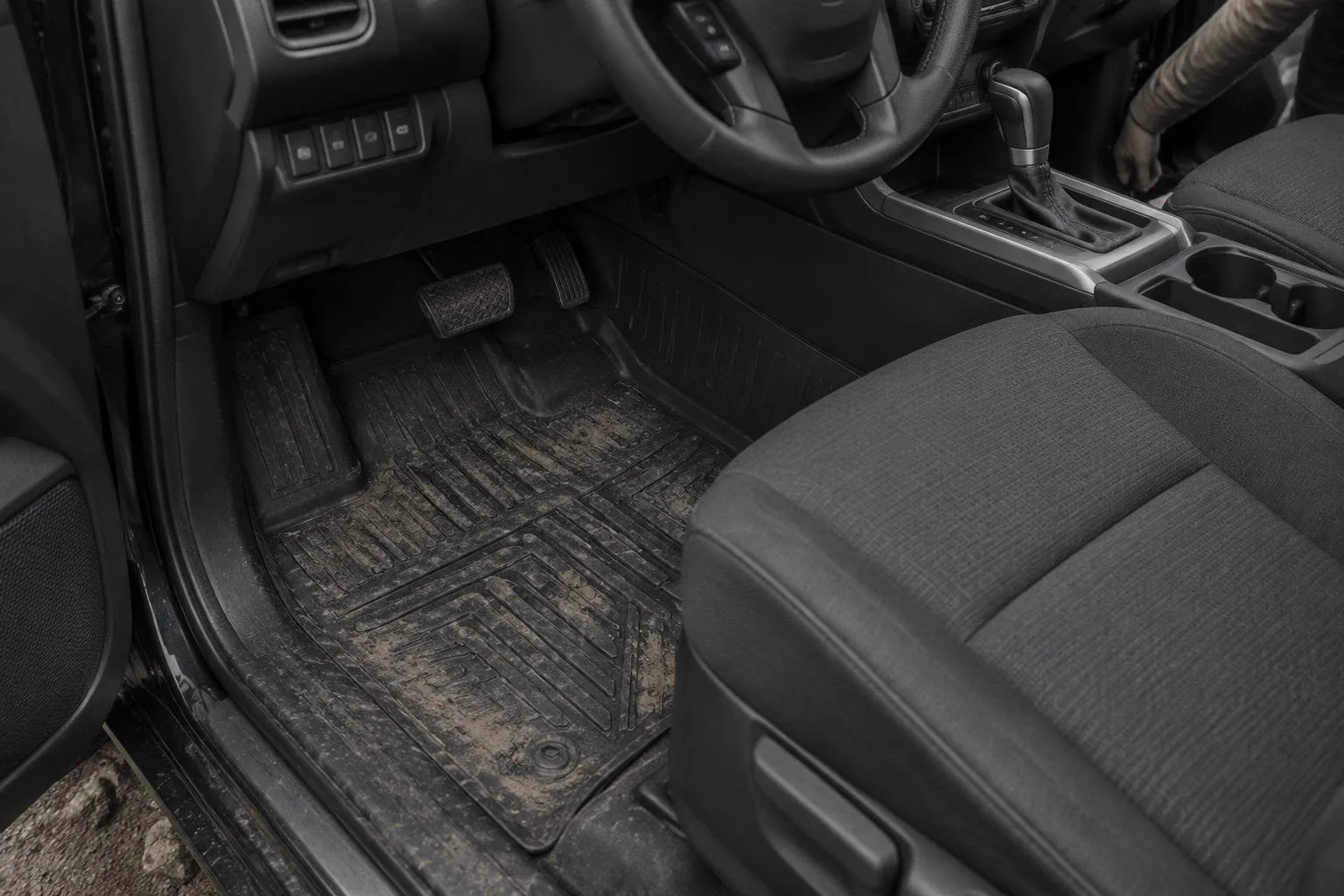
The inaugural Limited 1 appeared in October 1998, with a total of 7,500 cars built. Buyers could choose a beige body with a black Tridion safety cell, or an all-black silhouette; both variants featured the “Limited 1” badge on the windshield pillars. Six-spoke double-row alloy wheels complemented a cabin dressed in beige leather and blue textile, while a daring all-orange leather option was offered for the fully black version. The interior also sported a beige-covered steering wheel, a white-leather gear knob and blue floor mats marked with the Limited 1 logo. Under the hood sat a 599 cc turbo-charged three-cylinder delivering 54 hp.
Smartville (one year later)
Exactly a year after the first special edition, Smart introduced Smartville, based on the entry-level “Pure” trim but fitted with a panoramic glass roof that was otherwise unavailable. The range offered four paint choices – Jack Black, Lite White, Hello Yellow and Mad Red – all paired with a black Tridion cell, matching rear fenders, bumper trims, grille and mirror caps. The wheels were plain steel, and the interior remained the standard “Scodic Blue” fabric; the only differentiator was the roof. Power came from the same 599 cc engine, detuned to 45 hp.
Silverstyle (2000)
In 2000 Smart released the Silverstyle series, limited to 1,700 units. The whole car – safety cell and body panels – was painted in a metallic silver hue. Six-spoke alloy wheels matched the tone, and the side mirrors were colour-coordinated. Inside, the cabin featured blue leather upholstery, including a leather-wrapped steering wheel, but the equipment list was modest, offering a cassette-player radio rather than a CD player.
Fashion, phones and flamboyance: Creamstyle, Agnès B. and Orange
Creamstyle (2001)
The Creamstyle edition arrived in 2001 with a limited run of 1,150 cars. Its exterior combined a light-grey metallic safety cell with champagne-metallic body panels. Standard “Starline” alloy wheels were used, while the side mirrors and rear turn signals were finished in the same metallic grey. Inside, a two-tone Alcantara upholstery – beige on the dash and blue on the doors – gave the cabin a premium feel, accompanied by a CD-capable head unit and a leather-wrapped steering wheel.
Agnès B. (2001)
Also in 2001, Smart partnered with the French fashion house Agnès B. to create an ultra-exclusive run of just 400 cars. The exterior combined a black Tridion cell with a “BGrey” metallic gray body, while standard “Sportline” alloy wheels were retained. Badging appeared as “b. smart!” on the front doors and “Agnès B.” on the windshield pillars. The interior was entirely black leather, with the fashion house’s signature embroidered on the door panels and on specially-styled floor mats. Heated seats, a six-CD changer, and climate control completed the luxurious trim, and buyers received branded accessories such as travel bags, a leather key-ring and a compilation CD.
Orange (2002, France)
In 2002 Smart produced the Orange edition for the French market, limited to 450 units and developed in collaboration with the telecom operator Ericsson. The vehicle was completely black – both body panels and safety cell – and rode on nine-spoke “Jetline” alloy wheels. Orange branding adorned the rear hatch and the lower edge of the side mirrors. Inside, the dashboard, tachometer and clock were highlighted with orange trim, while the floor mats bore the word “Vroum” in the same hue. Each car came equipped with an Ericsson T68i mobile phone featuring Bluetooth hands-free capability, marrying automotive design with mobile technology.
Performance-focused and experimental models: Brabus 1st Edition, Crossblade, Starblue and I-Move
Brabus 1st Edition (June 2002)
June 2002 saw the birth of the Brabus 1st Edition, a collaboration that yielded only 500 units, available as both coupé and cabriolet. The model featured widened fenders, a uniquely shaped front bumper and 16-inch alloy wheels. Powered by a tuned 599 cc turbo engine producing 70 hp, the car could reach 135 km/h. Its exterior was finished in an exclusive all-black paint, with integrated fog lights in the grille and white side turn signals. Inside, a mix of leather and Alcantara wrapped the cockpit, while the “1st Edition” badge appeared on the fuel-tank cover, console and floor mats.
Crossblade (June 2002)
Later that same month Smart unveiled the Crossblade, a limited run of 2,000 numbered units that resembled the 2001 Geneva concept car. The first example was gifted to pop star Robbie Williams. The vehicle omitted a conventional roof, providing instead a small canvas that could be attached when needed. Aluminum protection bars replaced the doors, and the windshield was reduced to a narrow strip covering only the instrument cluster. Sixteen-inch “Spikeline” alloys equipped the car, and it shared the Brabus-tuned 70 hp engine. Inside, red rubberized fabric covered the seats, a grooved aluminium pedal box added a sport feel, and the dashboard was made from a weather-resistant composite.
Starblue Edition (2003)
The Starblue Edition arrived in 2003 as a cabriolet exclusive to Germany, Austria, Switzerland and the United Kingdom, with just 250 examples built. The car combined a grey-metallic safety cell with a “Star Blue” body, while the soft top was dark-blue. Brabus-derived 15-inch alloy wheels completed the look. The cabin featured a blue-patterned textile, leather-wrapped steering wheel and gear knob, and blue floor mats. Equipment included climate control, an exterior temperature indicator and a CD-player with the “Sound Packet” audio system. Power came from the standard three-cylinder turbo engine.
I-Move (2003)
Also in 2003, Smart released the ultra-limited I-Move series, capped at 100 coupés. The model used the most powerful version of the 599 cc turbo unit, now delivering 61 hp. The exterior paired a black Tridion cell with “River Silver” metallic grey panels, and rode on Brabus “Monoblock V” 15-inch wheels. Inside, the standard “Twister Blue Grey” fabric was retained, but a dedicated 20-GB iPod slot was installed on the dashboard, allowing charging and audio integration while driving. The only engine option remained the three-cylinder turbo.
Collectively, these special editions illustrate Smart’s willingness to experiment with colour palettes, collaborations, performance upgrades and even unconventional bodywork. Although each run was limited, the legacy of these models endures among enthusiasts who prize rarity and distinctive design.