
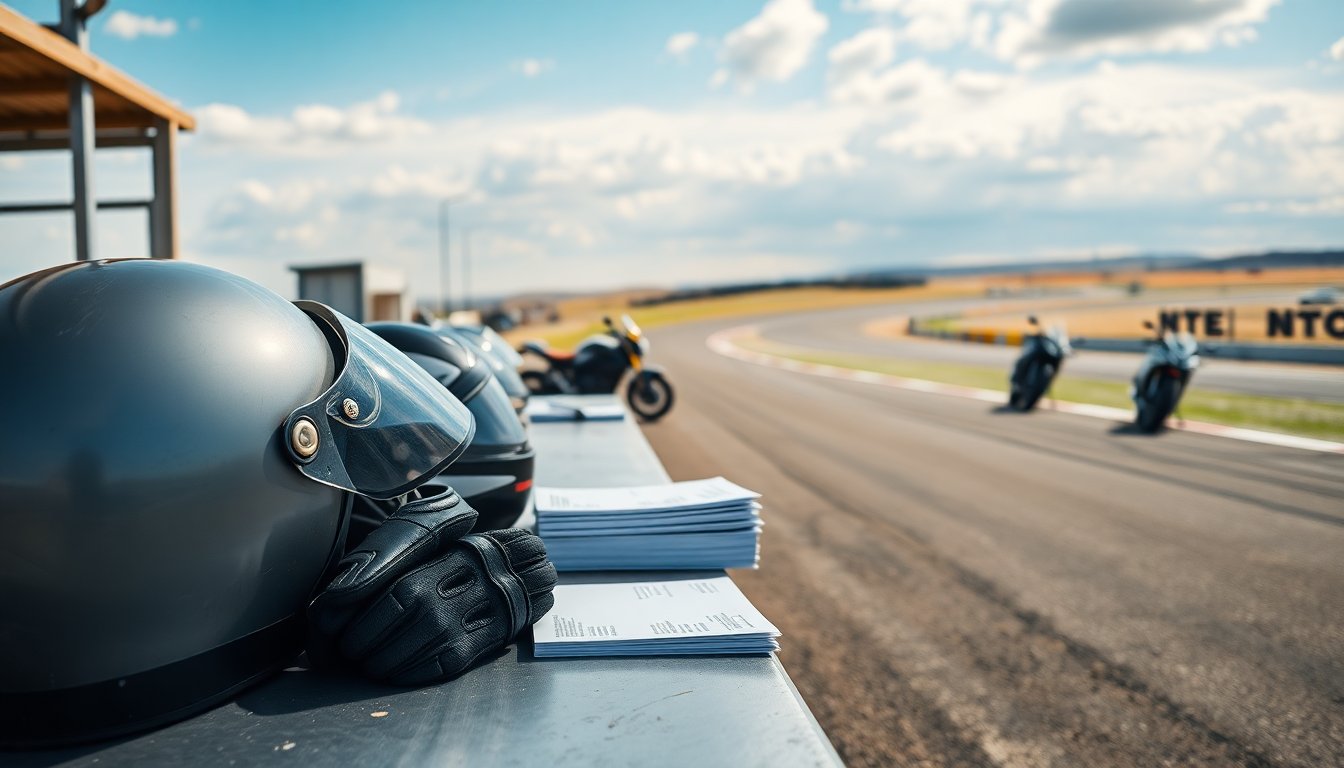
The Motorcycle Roadracing Association (MRA) ran a two-part instructional program that became its largest race school on record, welcoming 52 students to the track and classroom. The sequence began with a mandatory virtual session on April 3, 2026 and concluded with a full day of hands-on instruction at High Plains Raceway in Deer Trail, Colorado on April 11, 2026. Organizers reported pleasant spring conditions—temperatures in the 70s with partly cloudy skies—which the staff said offered an ideal environment for concentrated learning. Underpinning the event was sponsorship from Ride-On Motorcycle Training, and the program emphasized safety and technical readiness as essential components of competitive road racing.
Leadership for the school came from Orkun Krand, MRA’s New Rider Director, whose planning framed the classroom-to-track progression. On-site support included club officers and experienced club racers who served as on-track coaches, and additional volunteers who handled technical inspections and logistics. The format—classroom theory followed by supervised practice—was designed so new riders could immediately apply concepts under coach guidance. Instructors focused on building confidence through structured drills and feedback loops, and many students reported seeing noticeable improvements after each session. That combination of instruction and practice is central to the MRA’s approach to producing safe, capable competitors.
How the event was organized
The two-phase schedule started with an evening online lecture that covered the MRA rulebook, class eligibility and the essentials of track conduct, then moved to practical drills on the asphalt. During the on-track day, riders were grouped by experience so coaches could tailor guidance: beginners concentrated on basic race craft and bike control while more experienced students polished starts and race simulations. Volunteers ran pre-session technical checks, covering items such as tire condition and steering bearings, and instructed students on simple measures like taping lights and mirrors. Although full safety wiring was not mandatory for the school, the team explained when and why teams use that measure in sanctioned competition.
Curriculum and coaching methods
Instruction combined theoretical material with extended on-bike coaching, and emphasized a few core areas repeatedly: throttle control, braking technique, cornering lines, and situational awareness. Classroom modules introduced strategy and regulatory compliance before students went on track, while coaches delivered focused, actionable feedback between sessions. The MRA employed licensed club racers as on-track coaches whose familiarity with local lines and race-day procedures helped students transition quickly from practice to mock-race scenarios. Organizers also included a midday technical overview where participants reviewed bike readiness and inspection points to reinforce the link between machine condition and rider performance.
Specific drills and practical focus
During the day, riders ran through launch practice, simulated starts and group-riding etiquette exercises to prepare for race environments. Coaches used timed intervals and video review to highlight improvements and target weak spots, then assigned drills so riders could practice solutions immediately. Emphasis on repeated, small corrections—rather than radical technique changes—helped learners build muscle memory while keeping stress low. Several instructors noted that seeing a student return from a session eager to discuss one detail was often the best sign of progress; those incremental wins accelerated confidence and competence across the field.
Outcomes and what comes next
The result of the weekend was substantial: of the 52 students who participated, 40 earned their official MRA race license, expanding the pool of eligible competitors for club events. That milestone positions many of these newcomers to take part in the MRA’s first event of the season, scheduled for May 10th at High Plains Raceway on the full course configuration, where the newly licensed riders will have their first sanctioned race opportunity. The association described the school as a continuing priority for rider development and safety, and encouraged interested riders to consult the MRA rulebook and visit www.mraracing.org for future dates, licensing requirements and additional training options.
Reflections from organizers
Event leaders praised the energy and commitment shown by participants, noting that the combination of classroom theory, on-track coaching and practical inspections created a strong foundation for safe competition. Orkun Krand commented on how riders’ expressions of surprise and excitement after successful sessions demonstrated rapid learning; other officers and volunteers echoed that sentiment, calling the weekend a community effort. With sponsorship from Ride-On Motorcycle Training and support from club staff and licensed racers, the MRA aims to repeat and expand the model in future seasons to keep growing the sport responsibly.


