For many car enthusiasts, finding a rare vehicle in their own garage can be a dream come true. However, it can also be a daunting task to restore it to its former glory. The first step is to evaluate the potential barn find and determine its authenticity and value. This involves researching the vehicle’s history, checking for any original parts, and inspecting the condition of the body and engine.
The next step is to decide whether to preserve or restore the vehicle. Preservation involves maintaining the vehicle’s original condition, while restoration involves returning it to its original state. This decision depends on the vehicle’s condition, rarity, and historical significance. It’s essential to consider the cost and time involved in the restoration process.
Evaluating the Vehicle
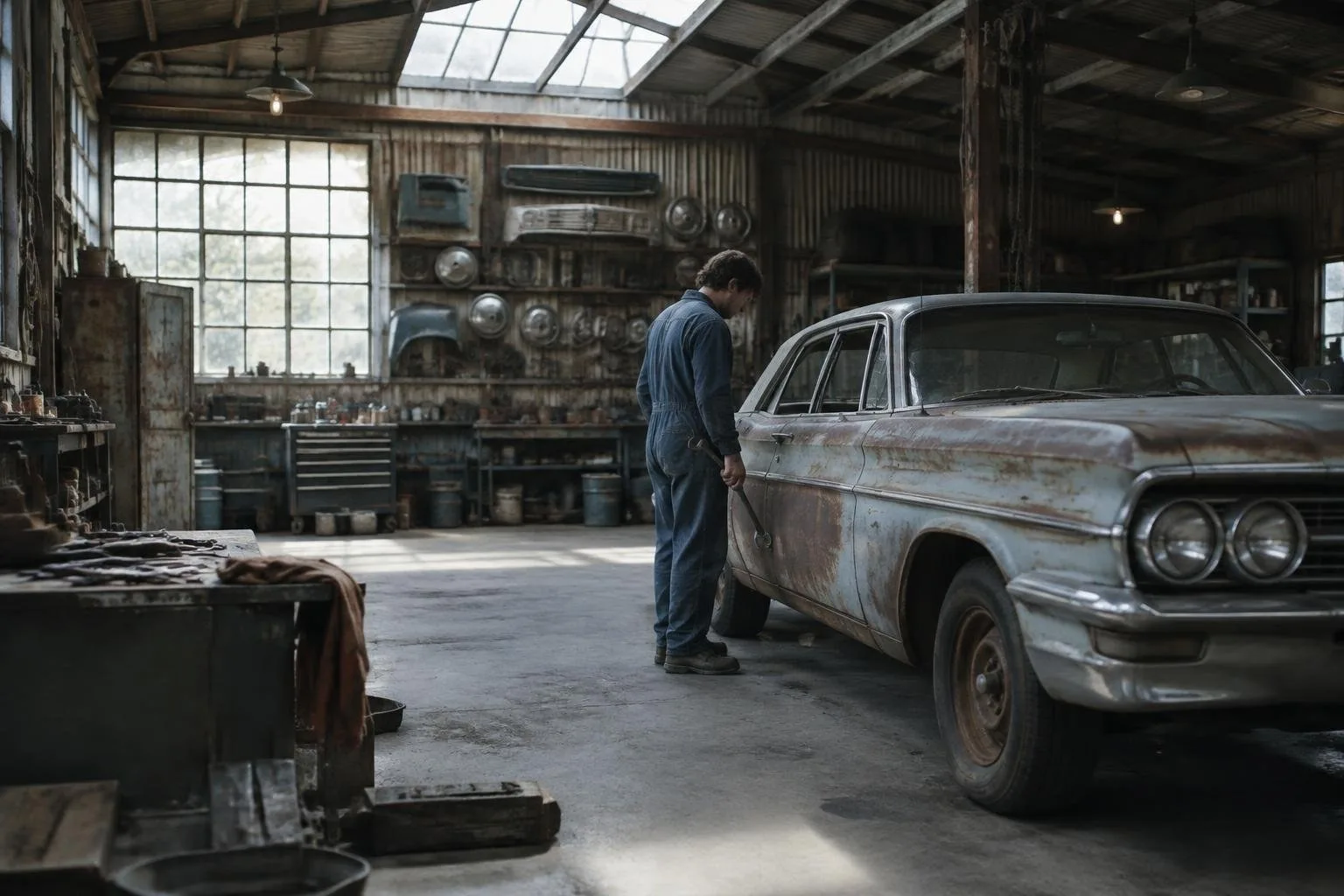
When evaluating a potential barn find, it’s crucial to inspect the vehicle thoroughly. This includes checking for any signs of damage, rust, or wear, as well as verifying the vehicle’s identity and history. A thorough inspection can help determine the vehicle’s authenticity and value. It’s also essential to research the vehicle’s market value and demand to ensure that the restoration process is worthwhile.
Creating a Restoration Plan
Once the decision to restore the vehicle has been made, it’s essential to create a realistic restoration plan. This involves setting a budget, timeline, and milestones for the project. It’s crucial to prioritize the most critical aspects of the restoration, such as the engine, transmission, and electrical system. A well-planned restoration plan can help ensure that the project stays on track and within budget.
Sourcing Parts and Materials
One of the most significant challenges in restoring a rare vehicle is sourcing original parts and materials. This can involve searching online marketplaces, specialty stores, and contacting other enthusiasts or collectors. It’s essential to verify the authenticity and quality of the parts to ensure that they meet the vehicle’s original specifications. Additionally, considering alternative materials or reproduction parts can help reduce costs and ensure that the restoration stays within budget.
Preservation vs. Restoration
The decision to preserve or restore a rare vehicle depends on its condition, rarity, and historical significance. Preservation involves maintaining the vehicle’s original condition, while restoration involves returning it to its original state. It’s essential to consider the cost and time involved in the restoration process, as well as the potential impact on the vehicle’s value and authenticity. In some cases, preservation may be the better option, especially if the vehicle is extremely rare or has significant historical significance.
Budgeting and Cost Control
Restoring a rare vehicle can be a costly endeavor, and it’s essential to establish a realistic budget and cost control measures. This involves researching the costs of parts, materials, and labor, as well as considering the potential return on investment. It’s crucial to prioritize the most critical aspects of the restoration and allocate resources accordingly. Additionally, considering alternative financing options or crowdsourcing can help reduce the financial burden of the restoration process.