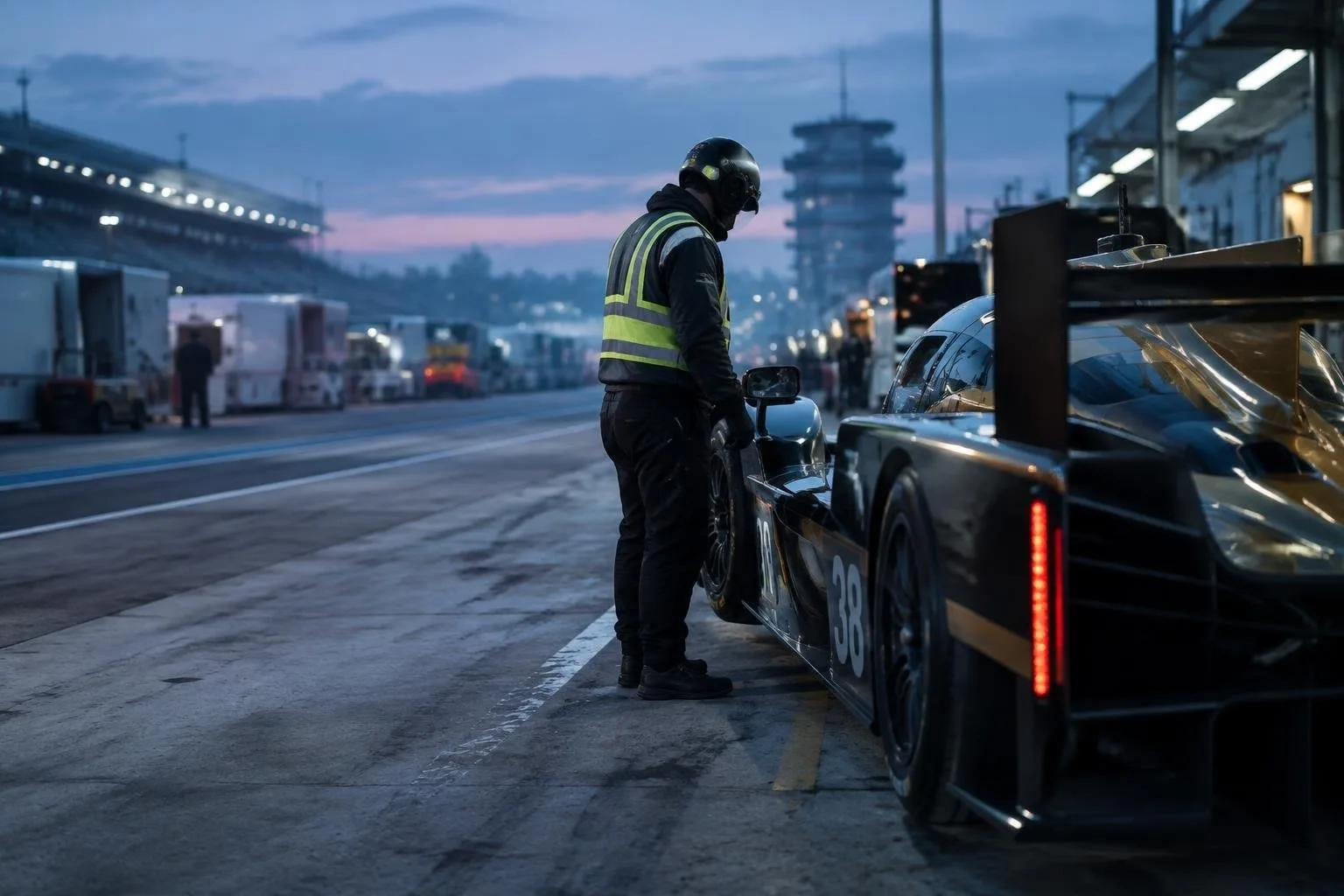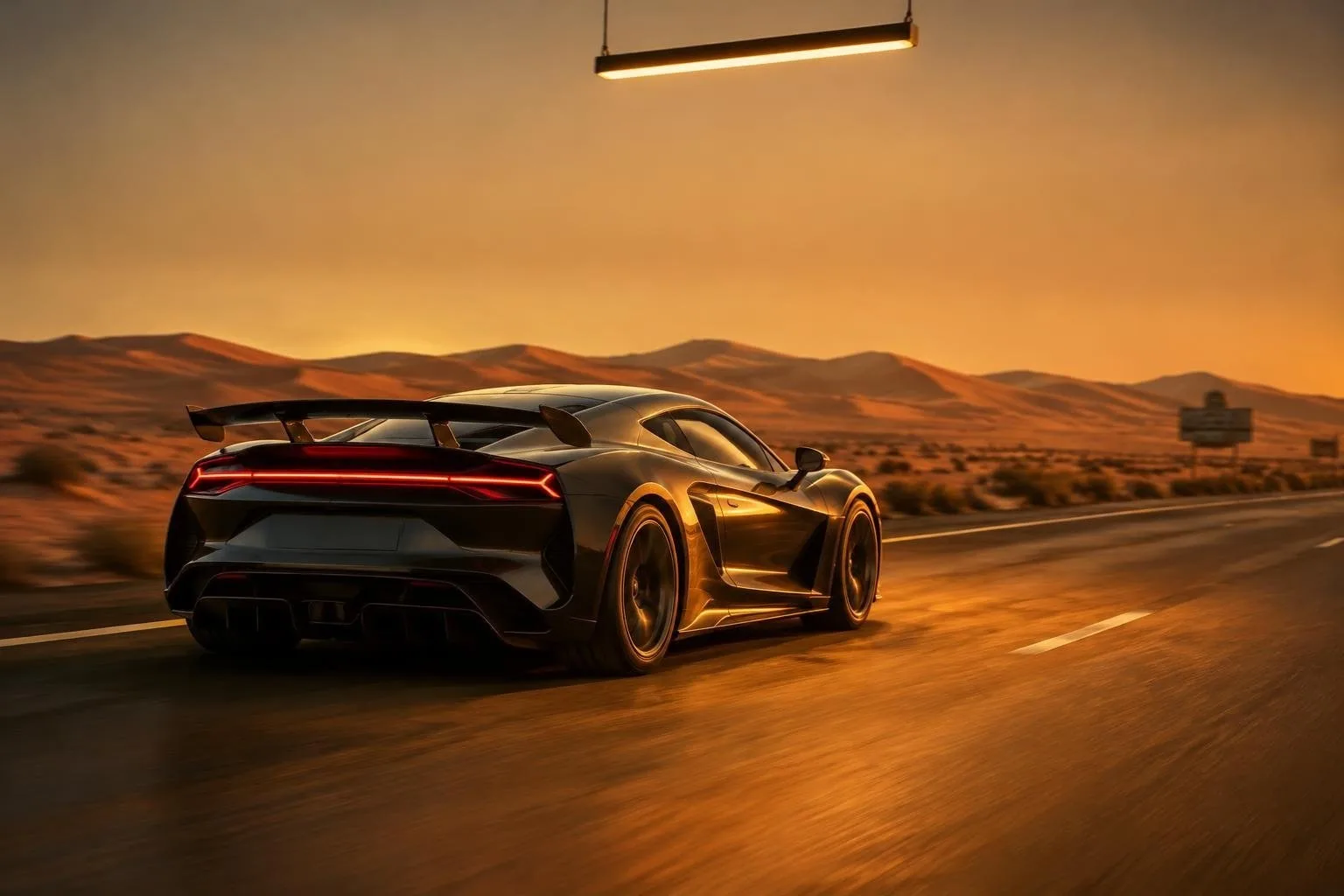
In the past twelve months Chinese manufacturers have turned the automotive world upside-down. BYD announced that its Yangwang U9 Xtreme broke the 500 km/h threshold on a public highway in Abu Dhabi, while Xiaomi has been busy at Germany’s Nürburgring, fitting its SU7 Ultra with a GT-style aero kit that could wrest the EV lap record from Porsche. Both programmes illustrate how quickly China’s EV sector is advancing toward the performance envelope traditionally dominated by Europe.
Yangwang U9 Xtreme’s 503 km/h milestone
Endurance racer Marc Basseng piloted the U9 Xtreme to a verified peak of 503.17 km/h (312.65 mph) on a closed stretch of the E11 highway on 1 November. Guinness World Records accepted the figure in the categories “production cars” and “electric production cars”, a decision echoed by the FIA. The run was a single-direction sprint; the organisation did not require a reciprocal pass, following the precedent set by Bugatti’s 2019 Chiron Super Sport 300+ attempt.
Earlier, in September of the previous year, Basseng had already hit 496.22 km/h at the Papenburg test facility in Germany, after a preparatory run on 31 October that topped out at 490 km/h. Engineers responded by cleaning the surface, refining damper settings, and increasing rear-wing angle to boost downforce. The second day’s effort culminated in the 503 km/h peak, confirming the vehicle’s capability to sustain almost three thousand brake-horsepower.
Technical heart of the U9 Xtreme
The record-setting sedan houses four electric motors, each capable of 30,000 rpm. Together they demand a 1 200 V architecture—up from the standard 800 V—paired with an uprated version of BYD’s Blade Battery. Although the lithium-iron-phosphate chemistry remains unchanged, the battery can discharge at a rate that would theoretically empty a full charge in two minutes, delivering close to 3 000 bhp. Temperature management, active suspension (DiSus-X), and bespoke semi-slick tyres from Giti were all fine-tuned between runs to keep the car stable at the edge of traction.
When the same powertrain is run on the Nürburgring Nordschleife, BYD claims a lap time of 6 min 59.157 sec, a benchmark that stood until Porsche’s Manthey-tuned Taycan Turbo GT lowered it to 6:55.553 in May of this year. Both figures reside firmly in the six-minute bracket, underscoring the U9 Xtreme’s all-round performance, not just its top-speed capability.
Xiaomi’s SU7 Ultra: Aerodynamics versus raw power
While BYD chased outright velocity, Xiaomi turned its attention to the notoriously demanding 20.6-km Nordschleife. The SU7 Ultra, equipped with a triple-motor layout producing 1 526 hp (1 138 kW), set a production-EV lap record of 7:04.957 in June 2025, edging out the Rimac Nevera and the Porsche Taycan Turbo GT by fractions of a second. The achievement relied heavily on an aggressive aero package that includes a massive GT-style rear wing, a pronounced front splitter, and louvers in the front fenders—features reminiscent of Porsche’s 911 GT3 RS.
Recent spy shots from October show a second SU7 Ultra prototype stripped of the wing, yet still sporting an active rear spoiler that deploys above 50 mph. This “stealth” version suggests Xiaomi may be experimenting with power upgrades as well. A 2024 prototype displayed a quad-motor configuration capable of 2 027 hp, hinting at a future where the sedan could out-power even the most potent Porsche Manthey package while retaining its sleek sedan silhouette.
Comparing the Porsche response
Porsche, unwilling to cede its Nürburgring dominance, collaborated with Manthey to create a Taycan Turbo GT that adds track-legal aero, lighter wheels, and a modest power bump to 978 hp in attack mode. The resulting lap of 6:55.553 made the Taycan the first EV sedan to break the six-minute barrier, a milestone that still leaves room for Xiaomi if the Chinese brand can marry its aero prowess with the proposed quad-motor output.
Both manufacturers are also pushing the envelope of safety and preparation. For the Abu Dhabi speed run, the road was cleared of sand, debris, and even stray wire fragments from cleaning brushes—an essential step when a tyre spins at over 300 mph. Similarly, the Nürburgring sessions require meticulous tire pressure management and suspension damping to cope with the track’s undulating surface.
Future outlook and limited production
BYD plans to build only 30 units of the Yangwang U9 Xtreme, each tailored to bespoke customer specifications. Contracts are already being signed, indicating that the record-breaking sedan will soon move from prototype to limited-run showroom floor.
Xiaomi’s strategy appears to focus on evolving the SU7 platform. If the quad-motor concept reaches production, the sedan could become the most powerful road-legal electric sedan on the market, potentially rewriting the Nürburgring EV record once again. The rivalry between Chinese newcomers and established European marques is no longer a question of who can build an electric car, but who can extract the last ounce of performance from it.