
Argomenti trattati
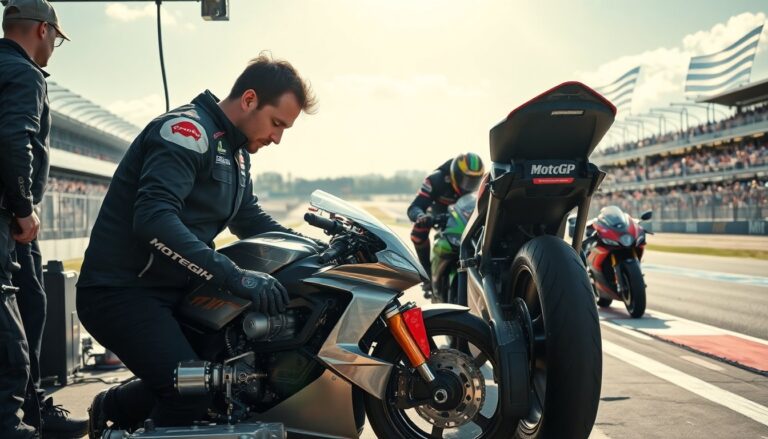
The world of motorcycle racing, particularly within the prestigious MotoGP series, serves as a vital source of innovation and technological advancement in the motorcycle industry. Each season, teams push the limits of speed and performance, producing machines that dominate the racetrack and influence commercial motorcycle production. This article examines how racing informs design and engineering, ultimately benefiting everyday riders.
As the Motorcycle Riders Foundation (MRF) monitors legislative developments affecting motorcyclists, understanding the implications of these changes on both racing and consumer motorcycles is essential. Key figures, such as Sam Graves, Chairman of the House Transportation and Infrastructure Committee, underscore the urgency of transportation funding legislation. The intersection of politics and motorcycle culture reflects the ongoing challenges faced by riders and manufacturers alike.
Technological breakthroughs inspired by racing
One notable example of racing’s influence is the development of advanced transmission systems. Manufacturers like Ducati have pioneered race-style gearboxes that enhance acceleration and responsiveness. These innovations eventually reach consumer models, offering everyday riders improved performance and reliability.
Furthermore, the integration of smart technologies in motorcycles has been significantly shaped by racing. Features such as adjustable suspensions and electronic ride modes originated in competitive environments but are now standard in many high-end street bikes. This evolution allows riders to experience the same level of precision and control that professional racers enjoy.
Safety enhancements through racing
The focus on safety in motorcycle racing has led to significant improvements in consumer bike technology. Innovations like cornering ABS and traction control systems were initially developed to help racers maintain control at high speeds. As these technologies have been adapted for street use, they provide riders with an added layer of safety, particularly in adverse conditions.
The CVO Road Glide ST from Harley-Davidson exemplifies the combination of performance and safety. Equipped with advanced rider safety enhancements that adapt to varying conditions, this motorcycle ensures a stable ride on winding roads or during sudden stops.
The cultural impact of motorcycle racing
Apart from technological advancements, motorcycle racing wields a profound cultural influence. Events like MotoGP showcase the pinnacle of motorcycle engineering and serve as platforms for community building among enthusiasts. The passion and camaraderie shared by fans and riders create a vibrant culture that fuels interest in motorcycles.
As manufacturers unveil their latest innovations at racing events, they generate excitement that translates into sales and brand loyalty. The emotional connection between fans and their favorite teams or brands significantly impacts consumer behavior, influencing which models are purchased and endorsed.
Future of motorcycle design
Looking ahead, the future of motorcycle design will continue to be shaped by the dynamic world of racing. With ongoing developments in electric motorcycles and sustainable technologies, the lessons learned from the track will play a crucial role in redefining motorcycle capabilities. As environmental awareness increases, the industry must adapt, just as it has in response to demands for better performance and safety.
The relationship between motorcycle racing and innovation is a dynamic and evolving one. As teams strive for excellence on the track, their breakthroughs pave the way for a new generation of motorcycles that meet the needs of racers and enhance the experience for riders everywhere. The spirit of competition drives continuous improvement, ensuring that the motorcycle world remains as thrilling as ever.