
Argomenti trattati
What happened at Baker’s Factory
Rockstar Energy Husqvarna Factory Racing said on February 13, that rider RJ Hampshire sustained a foot fracture during a training session at Baker’s Factory in Florida. The team said the injury follows a recent illness that had already kept Hampshire out of the Glendale round. The injury rules him out of the upcoming Seattle Supercross and further rounds of the Monster Energy AMA Supercross Championship.
The team released an incident statement and Hampshire posted a first-person account on his Instagram channel. He described a low-speed fall in which the position of the handlebars damaged his boot and ultimately his foot. The organization said its immediate priority is to determine the most effective rehabilitation path to return Hampshire safely to competition.
Who: rider RJ Hampshire and Rockstar Energy Husqvarna Factory Racing. What: a foot fracture sustained in a training fall. When: announced February 13. Where: Baker’s Factory, Florida. Why: a low-speed crash and contact with the handlebars, according to Hampshire’s account and the team statement.
In my Deutsche Bank experience, risk management starts with rapid, transparent communication. Anyone in the industry knows that early medical clarity matters for both athlete welfare and team planning. The team’s public remarks focused on medical assessment rather than timeline estimates.
The numbers speak clearly: lost race entries affect team sponsorship exposure and rider points. Hampshire had already missed the Glendale round due to illness. The team did not provide a prognosis or a target return date in its release.
From a regulatory standpoint, the team’s approach aligns with standard race medical protocols that prioritise clearance by certified specialists before resuming competition. The statement said the club will coordinate closely with medical staff to determine the safest timeline for rehabilitation.
Team sources and Hampshire’s post indicate the next immediate steps are imaging and specialist review. The organization said it will update stakeholders as more medical information becomes available. Hospital or clinic names and specific diagnostic results were not disclosed.
Anyone tracking the Monster Energy AMA Supercross standings will note Hampshire’s absence creates a gap in the entry list and in team strategy. The team has not named a replacement rider for the Seattle event. Further updates are expected as medical reviews conclude and the team finalises its race-day decisions.
Mechanics of the injury and implications
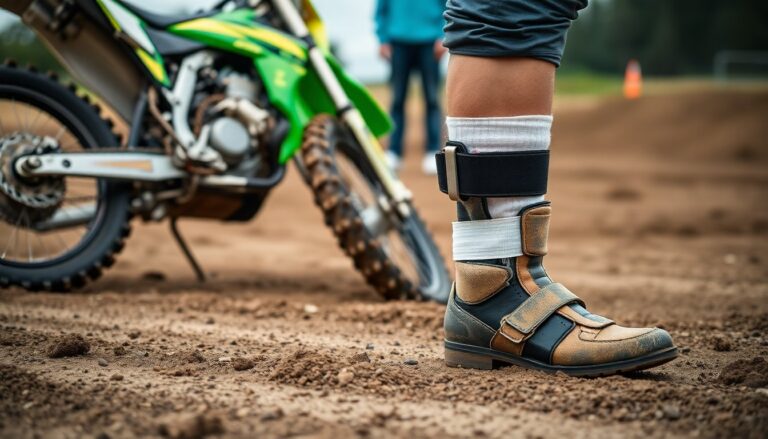
The team said the crash happened during a routine training ride when RJ Hampshire suffered a slow fall over a small jump. Hampshire wrote on Instagram that, after planting his foot, the end of the handlebars struck his boot and split the buckles. He reported breaking two metatarsals, with one described as “pretty displaced.”
Team manager Nathan Ramsey said he received a mid-morning call confirming the fracture and the immediate need for Hampshire to step away from riding. The message triggered an expedited medical review and early conversations about team line-ups.
From a biomechanical standpoint, impact to the forefoot while the rider’s weight shifts can concentrate force on the metatarsal shafts. The displacement Hampshire reported increases the likelihood of surgical fixation rather than conservative casting. The numbers speak clearly: displaced fractures of this sort typically require longer recovery and more intensive rehabilitation.
In my Deutsche Bank experience, liquidity and buffer planning matter as much in racing as in finance. Anyone in the industry knows that a sudden rider absence forces teams to reallocate resources, adjust sponsorship activations and reshape race strategy. The immediate concern is Hampshire’s recovery timeline and the team’s contingency for upcoming events.
From a regulatory standpoint, medical clearance rules and event entry deadlines will govern whether Hampshire can return for the next rounds. The team said further updates will follow after imaging and specialist consultations conclude. Insurance, travel logistics and rider replacement protocols are now active items on the team’s agenda.
Expect detailed surgical and rehabilitation plans when the medical team publishes its findings. The next factual update should include the chosen treatment approach and an estimated return-to-competition window.
Metatarsal bones fractures from an impact against a buckle and bar typically compromise balance and grip on the footpeg. When the foot is planted at impact, the transmitted force can cause multiple breaks and displacement. Such injuries often require immobilization and, depending on displacement, surgical intervention. The team has not disclosed specific procedures. A recovery timeline will be published once medical staff and the team agree on next steps.
Team response and rider statement
The team issued a brief statement confirming a significant foot injury and ongoing consultation with specialists. They said they will provide a fuller medical update after finalising the treatment plan with the attending surgeons and physiotherapists.
The rider posted a short message acknowledging the injury and thanking medical staff and supporters. He did not specify treatment details or a return date.
In my Deutsche Bank experience, clear communication and staged updates reduce speculation and manage stakeholder expectations. Anyone in the industry knows that injuries with potential displacement require careful imaging and surgical due diligence before prognoses are issued. From a regulatory standpoint, teams must balance privacy, informed consent and timely disclosure to sponsors and series officials.
The numbers speak clearly: displaced metatarsal fractures can alter a rider’s short-term programme and require phased rehabilitation. The next factual update should state the chosen treatment approach and an estimated return-to-competition window once clinicians sign off.
Next update will focus on treatment and return-to-competition timeline
Rockstar Energy Husqvarna said the organisation’s priority is getting Hampshire healthy and back to racing. The team described its statement as concise and clear.
The team confirmed clinicians will choose the treatment plan. The next factual update should specify the chosen treatment approach and an estimated return-to-competition window once clinicians sign off.
Nathan Ramsey, speaking by phone from the training facility, said the crash occurred mid-ride day. He described how the handlebars struck Hampshire’s foot and called the outcome unfortunate. Ramsey said the team is monitoring the situation and coordinating with medical staff.
From a clinical standpoint, impact to the foot can compromise balance and footpeg control. Anyone in the industry knows that recovery depends on fracture severity, fixation method and rehabilitation progress. The numbers speak clearly: functional recovery timelines vary and must be validated by imaging and specialist assessment.
In my Deutsche Bank experience, risk decisions rest on rigorous due diligence. Translated to sport medicine, that means balancing rapid return with long-term mobility and performance. From a regulatory standpoint, medical clearance and race fitness protocols will determine when Hampshire can resume competition.
The team reiterated that further updates will follow as the situation evolves and medical reviews conclude. Expect factual bulletins focused on treatment choice, clinical findings and a medically authorised timeline for a competitive return.
Expect factual bulletins focused on treatment choice, clinical findings and a medically authorised timeline for a competitive return.
Hampshire posted a terse update on social media expressing frustration and resolve. He said he had resumed riding after illness, suffered a slow fall over a small jump and planted his foot. He reported two broken metatarsals, one described as displaced, and thanked supporters.
The injury removes a rider from competition at short notice and forces immediate medical decisions. Team sources have already indicated that the priority remains recovery and safe return to racing. From a selection and logistics standpoint, the team must review rider availability for upcoming rounds.
In my Deutsche Bank experience, a sudden liquidity shock requires rapid triage and a clear plan. The same logic applies here: the team needs prompt clarity on surgical intervention, rehabilitation milestones and fitness testing. Those elements will determine how many events Hampshire will miss.
Anyone in the industry knows that bone displacement increases the probability of surgical repair and extends recovery time. From a regulatory standpoint, race medical clearance and sanctioning-body protocols will set the earliest possible return date. Medical updates authorised by treating clinicians will be decisive.
The numbers speak clearly: rehabilitation timelines, functional weight-bearing tests and driving or riding assessments will define any phased return. The team’s forthcoming bulletins should include specific clinical findings and a projected timeline based on objective metrics.
Expect updates from the team and medical staff detailing treatment choice, rehab targets and the schedule for re-entry into competition. The story will advance on verifiable medical statements rather than speculation.
Practical consequences for the supercross season
The injury removes Hampshire from the upcoming Seattle round and from contention for immediate rounds of the SMX World Championship. He suffered the fracture while competing in his first full season in the 450SX class aboard the Husqvarna FC 450 Factory Edition. His best result this season remains ninth at Anaheim 2. No recovery timeline has been released, leaving the number of missed races uncertain and creating immediate consequences for both his personal standings and team objectives.
Practical consequences for the supercross season
Who is affected: Hampshire, his Rockstar Energy Husqvarna team, and championship rivals. What changes: immediate reshuffling of team tactics and rider deployment. Where it matters most: the points table and team sponsor commitments. Why it matters: missed rounds reduce Hampshire’s ability to score points and alter the distribution of responsibilities inside the team.
Anyone in the industry knows that injury absence has ripple effects beyond the track. Teams must weigh short-term performance against longer-term asset preservation. In my Deutsche Bank experience of portfolio risk, this resembles an unexpected liquidity shock. The team faces a choices: field a replacement rider, repurpose resources to support remaining entries, or focus on testing and development while preserving Hampshire’s long-term value.
The numbers speak clearly: each missed round eliminates a finite points opportunity. That reality changes the spread between title contenders and increases volatility in the standings. From a regulatory standpoint, series rules on substitute riders, points allocation and medical clearance will determine how the team mitigates the loss.
Operational consequences include sponsor deliverables, contractual obligations and media appearances. Those obligations carry commercial penalties if unfulfilled. Insurance and medical due diligence will shape the timeline for any return. Teams typically require a medical clearance from the series-appointed physician before allowing competitive re-entry.
Sporting strategy will adjust. The team may prioritise consistent finishes from other riders to limit championship damage. Technical development work may accelerate to offset lost momentum on race day. Tactical decisions will be guided by measurable metrics: lap-time consistency, practice-session telemetry and rider fitness benchmarks.
From a broader perspective, the incident recalls lessons from the 2008 financial crisis: adequate contingency planning and robust risk management reduce the damage of sudden shocks. Teams that prepared for rider absence historically maintain sponsor confidence and preserve long-term competitiveness.
What to watch next: an official medical update from the team or the series medical director, the appointment of any substitute rider, and subsequent effects on the championship standings.
Team response and recovery plan
Rockstar Energy Husqvarna Factory Racing said it will provide updates once medical evaluations and treatment plans are finalised. Medical staff will determine whether surgical fixation is required and the timetable for rehabilitation.
Typical recovery for displaced metatarsal fractures ranges from weeks to months. Recovery duration depends on surgical decisions, the rider’s response to therapy and complication risk. From a regulatory standpoint, teams must document medical clearance before any graded return to elite motocross competition.
In my Deutsche Bank experience, managing a high-stakes return requires balancing risk and timelines like a liquidity decision. Anyone in the industry knows that a rushed comeback can widen the spread between fitness and race readiness. The team will likely coordinate with foot and sports medicine specialists to optimise healing while calibrating Hampshire’s training load.
The organisation will shift immediate resources to Hampshire’s recovery and adjust race plans as needed. The appointment of any substitute rider, and subsequent effects on championship standings, will follow official confirmation from the team or the series medical director. Expect official progress reports from the team in the days ahead as treatment milestones are reached.
Expect updates as team outlines recovery path
Expect official progress reports from the team in the days ahead as treatment milestones are reached.
Who: Rider RJ Hampshire.
What: Hampshire suffered a fractured foot in a training crash and will miss the Seattle Supercross and upcoming rounds.
When and where: The injury occurred on February 13, , during a session at Baker’s Factory.
Why it matters: The team says it is working toward a defined recovery plan and will release medical updates and a proposed timetable for a return to competition.
In my Deutsche Bank experience, managing a high-profile recovery resembles handling liquidity after a shock: transparency, timely reporting and rigorous due diligence matter.
From a regulatory standpoint, medical clearance and adherence to sport governance protocols will guide the rider’s eligibility to resume racing.
Anyone in the industry knows that stakeholders — sponsors, team personnel and fans — will monitor official medical bulletins and scheduled rehabilitation milestones.
The numbers speak clearly: the immediate focus is on accurate diagnosis, treatment sequencing and measurable progress indicators that the team will disclose as available.
Expect the next updates to come from team medical staff and the race organisation once assessments and treatment plans are finalised.