
Overview
Seminole State College’s Automotive Engineering Technology A.A.S. turns classroom curiosity into career-ready skills. The two-year program blends hands-on labs, manufacturer-led coursework and paid dealership internships so students graduate with an Associate in Applied Science plus industry credentials that employers recognize.
Specialty tracks: Ford ASSET and GM ASEP
Students choose between two manufacturer-sponsored pathways—Ford ASSET or GM ASEP. Both combine college classes with structured dealer internships, teaching brand-specific diagnostics, electrical systems, engines and service procedures. Graduates leave with classroom credits, manufacturer credentials and real service-bay experience that makes the transition into full-time work much smoother.
What learning looks like
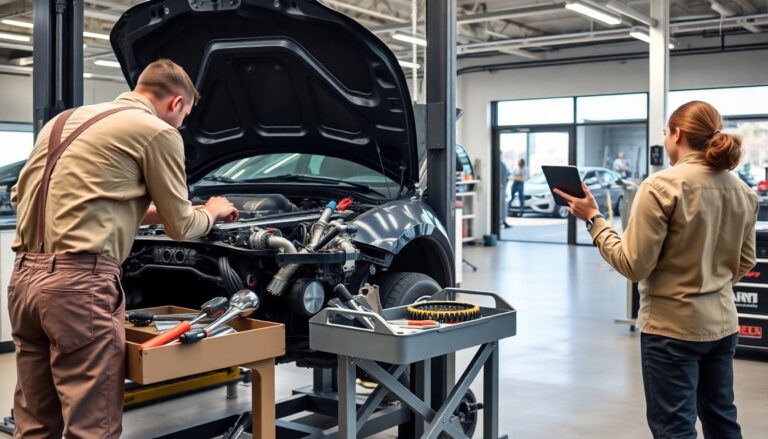
Training takes place at the Barbara Miller CFADA Automotive Training Center, which features modern diagnostic tools, instructional labs and a 2,000-square-foot showroom. Coursework balances theory with plenty of shop time; students rotate through partner dealerships to apply manufacturer repair protocols under supervision. Hands-on hours correlate strongly with quicker skill development in electronic systems and diagnostics.
Faculty and student support
All instructors are ASE‑certified master technicians who bring long-term industry experience into the classroom and mentorship. Advising covers the sponsor-dealer application process, certification pathways and the practical expectations of paid internships. These connections help students find internship placements and prepare for manufacturer-specific testing.
Outcomes and metrics
Program design intentionally shortens time-to-hire. Students who complete a manufacturer track plus a paid internship consistently show higher placement rates and faster onboarding for employers compared with classroom-only peers. Graduates frequently earn manufacturer credentials and meet ASE Education Foundation standards, which improves starting wages and job mobility within dealer networks and independent shops.
Who benefits
– Dealerships: receive entry-level technicians already familiar with brand procedures and warranty standards, which reduces training costs.
– Independent shops and fleets: gain technicians trained on contemporary systems who adapt across vehicle types.
– Students: earn a degree, tangible credentials and paid work experience—helpful for both immediate employment and longer-term career growth.
Market context (plain language)
Vehicles are getting more complex—more electronics, driver-assist systems and electrified drivetrains—so employers want people trained on up-to-date tools and manufacturer protocols. Local dealers are willing to sponsor apprentices because it fills staffing gaps and shortens the learning curve for new hires. That practical reality, not abstract forecasts, drives the program’s focus.
Key variables that affect success
– Availability of sponsoring dealers (students need a sponsor to qualify for the apprenticeship component)
– Access to current diagnostic equipment and factory training platforms
– Faculty capacity and scheduling that allow students to balance coursework with internship hours
– Funding for shop facilities and ongoing updates to curriculum as vehicle tech evolves
Admissions and timing
The application window opens April 1, 2026, for cohorts beginning August 2026. Prospective students are encouraged to attend an information session to review the two-year plan, internship requirements and tips for securing a sponsoring dealer.
Campus resources
Beyond the training center, students benefit from an accredited curriculum supported by the ASE Education Foundation and manufacturer partners. The program emphasizes applied learning and keeps lab-to-dealership pipelines active so students graduate ready to work.
Specialty tracks: Ford ASSET and GM ASEP
Students choose between two manufacturer-sponsored pathways—Ford ASSET or GM ASEP. Both combine college classes with structured dealer internships, teaching brand-specific diagnostics, electrical systems, engines and service procedures. Graduates leave with classroom credits, manufacturer credentials and real service-bay experience that makes the transition into full-time work much smoother.0