
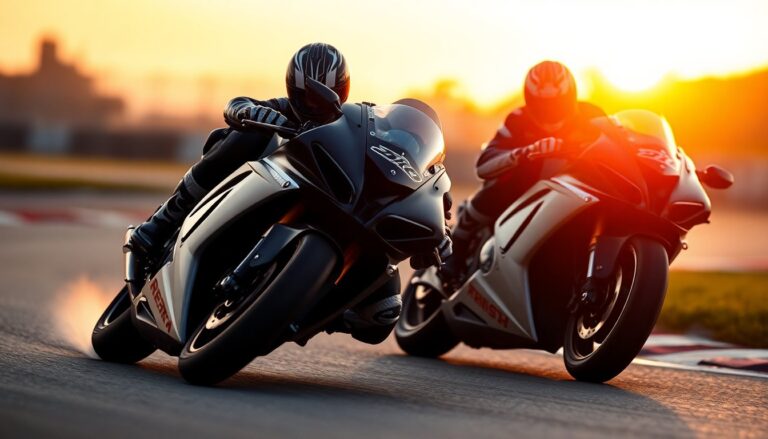
Superbike season kicked off in dramatic fashion at a major international circuit, with factory outfits and privateer squads trading barbs on track and in the timing sheets. Upgraded manufacturer packages made their debut, and several riders immediately looked comfortable on the revised machines. From frantic practice sessions and tight qualifying duels to two races decided by fractions of a second, the weekend peeled back the curtain on who’s improved over the winter—and who still has work to do.
Why the weekend mattered
The opening round was more than a spectacle: it served as the first full-pressure exam of reliability, tyre strategy and electronics under race conditions. Teams used the event to validate off-season upgrades and to map out development priorities. By Sunday evening engineers and managers had a far clearer picture of who has closed the gap and where incremental gains could pay the biggest dividends.
Championship implications
Early results left the standings compact. Established title contenders mixed it up with ambitious newcomers, and podium positions shuffled between factory riders and determined privateers. That narrow points spread will sharpen tactical play in the coming rounds—every setup tweak and tyre call now carries extra weight.
Technical trends and developments
A major theme all weekend was technical evolution. Several teams ran updated aerodynamic packages and recalibrated electronic controls, which noticeably altered mid-corner stability and throttle delivery. Factory teams reported improved pace after suspension and engine-management tweaks, while independent outfits prized consistency above outright speed. Data collected in warm-ups and practice became the foundation for quick iterations between sessions, as crews chased a balance between aggression and tyre preservation.
Race action and standout moments
Race one produced a ferocious, close-quarters duel at the front. Wheel-to-wheel overtakes into heavy braking zones and blistering straight-line battles kept the crowd on edge. Strong qualifying efforts translated into podium finishes for some, while others mounted impressive recoveries from poor starts to salvage valuable points. Tyre life and flawless pit-lane routines during warm-up and formation laps proved decisive for who finished inside the top ten.
The second race accentuated the tactical side of the weekend. As the track evolved and surface temperatures climbed, teams adapted tyre choices and engine maps mid-race. Riders who combined well-timed aggression with careful tyre management emerged on top; those who pushed too hard early often saw grip drop off when it mattered most.
Team takeaways and rider feedback
Reports from the paddock were mixed but constructive. Factory teams celebrated raw pace gains from revised suspension settings and finer electronic calibrations, while flagging some lingering concerns about durability under extended race loads. Independent teams walked away encouraged by improved consistency but asked for more mechanical and developmental support to close remaining gaps.
Riders highlighted how revised front-end feedback changed corner-entry decisions and tyre interactions, giving engineers clear direction for refining traction-control strategies and sector-by-sector power delivery. Several teams pledged accelerated development between rounds to tackle the issues exposed over the weekend.
Logistics, safety and officiating
Race direction handled a handful of on-track incidents through routine stewarding actions, including time penalties and post-race contact reviews. Safety crews responded quickly to incidents; there were no reports of serious injuries and the meeting ran to schedule without major disruption. With performance margins so tight, expect a fast-moving development race off the track as well as on it—every small upgrade could reshuffle the pecking order as the season unfolds.