
Argomenti trattati
The automotive industry is experiencing a significant transformation as it adapts to the evolving landscape ofelectric vehicles(EVs) and supporting technologies. This article explores recent announcements and trends from the Alliance for Automotive Innovation, highlighting developments that are shaping the future of transportation.
New member joins the alliance
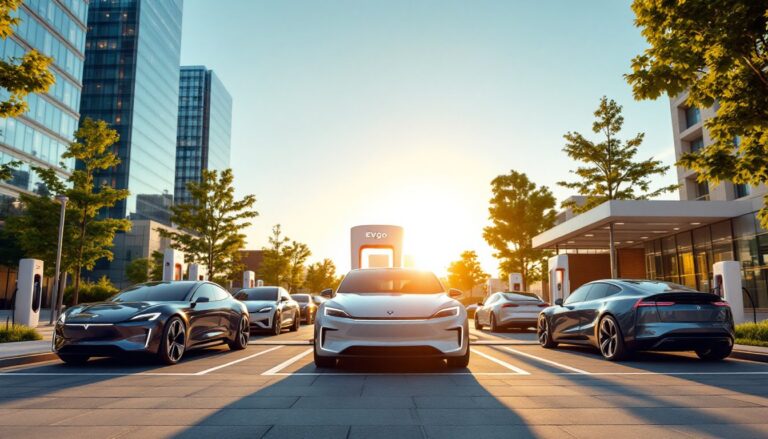
In a notable development,EVgo, a leading provider of public fast charging infrastructure, has become the first of its kind to join the Alliance for Automotive Innovation. This membership signifies an effort among automakers, suppliers, battery producers, and autonomous vehicle companies to enhance EV adoption and infrastructure development.
Expanding EV accessibility
With the inclusion of EVgo, the alliance aims to improve the availability of charging stations, facilitating the transition to electric vehicles for consumers. As demand for EVs continues to grow, the necessity of a reliable and expansive charging network is paramount. This partnership is projected to drive innovation and enhance accessibility for EV users nationwide.
Statements on regulatory changes
In response to recent regulatory changes, the Alliance for Automotive Innovation has issued statements regarding various policies impacting the automotive sector. The organization has expressed its views on the Trump administration’s proposals for Corporate Average Fuel Economy (CAFE) standards, emphasizing the need for balanced approaches that support both environmental objectives and industry growth.
Fuel economy standards and their impact
John Bozzella, President and CEO of the Alliance, underscored the significance of these standards in shaping the automotive market’s future. He noted that while fuel efficiency is a critical aim, it must be pursued without jeopardizing economic viability. By advocating for intelligent policy-making, the alliance seeks to ensure the automotive industry remains strong while transitioning toward more sustainable practices.
Electric vehicle sales data and trends
Recent data reveals that there are now 155 electric vehicle models available for sale in the United States. In the second quarter of 2026, EVs accounted for9.5 percentof new light-duty vehicle sales, reflecting a slight decrease from the previous quarter. Furthermore, the proportion of EVs in operation has reached2.25 percent, marking a significant milestone in the shift toward electrification.
Market dynamics and consumer choices
The automotive landscape is undergoing a notable change, with gas-powered vehicles experiencing a decline in market share. As manufacturers respond to growing consumer interest in electric options, the industry is expected to continue evolving. Reports from the alliance indicate that gas-powered vehicles have seen a market share reduction of4.2 percentage points, signifying a shift in consumer preferences toward cleaner, more sustainable alternatives.
Collaboration for a safer future
Beyond a focus on electric vehicles, the alliance is committed to enhancing safety in the automotive sector. Recent partnerships, such as with HAAS Alert, aim to improve real-time safety alerts for roadside workers and first responders. This initiative exemplifies the industry’s dedication to leveraging technology for increased road safety.
Innovative safety solutions
The integration of advanced safety features has become a priority for automakers. The alliance’s collaboration with safety innovators reflects a shared objective of reducing accidents and improving By implementing technologies that provide timely warnings and alerts, the automotive industry is proactively working to protect vulnerable road users.
As the automotive sector continues to embrace innovation, the Alliance for Automotive Innovation remains a key advocate for policies supporting growth, sustainability, and safety. With ongoing developments in electric vehicles and a commitment to enhancing infrastructure, the future of transportation appears promising.