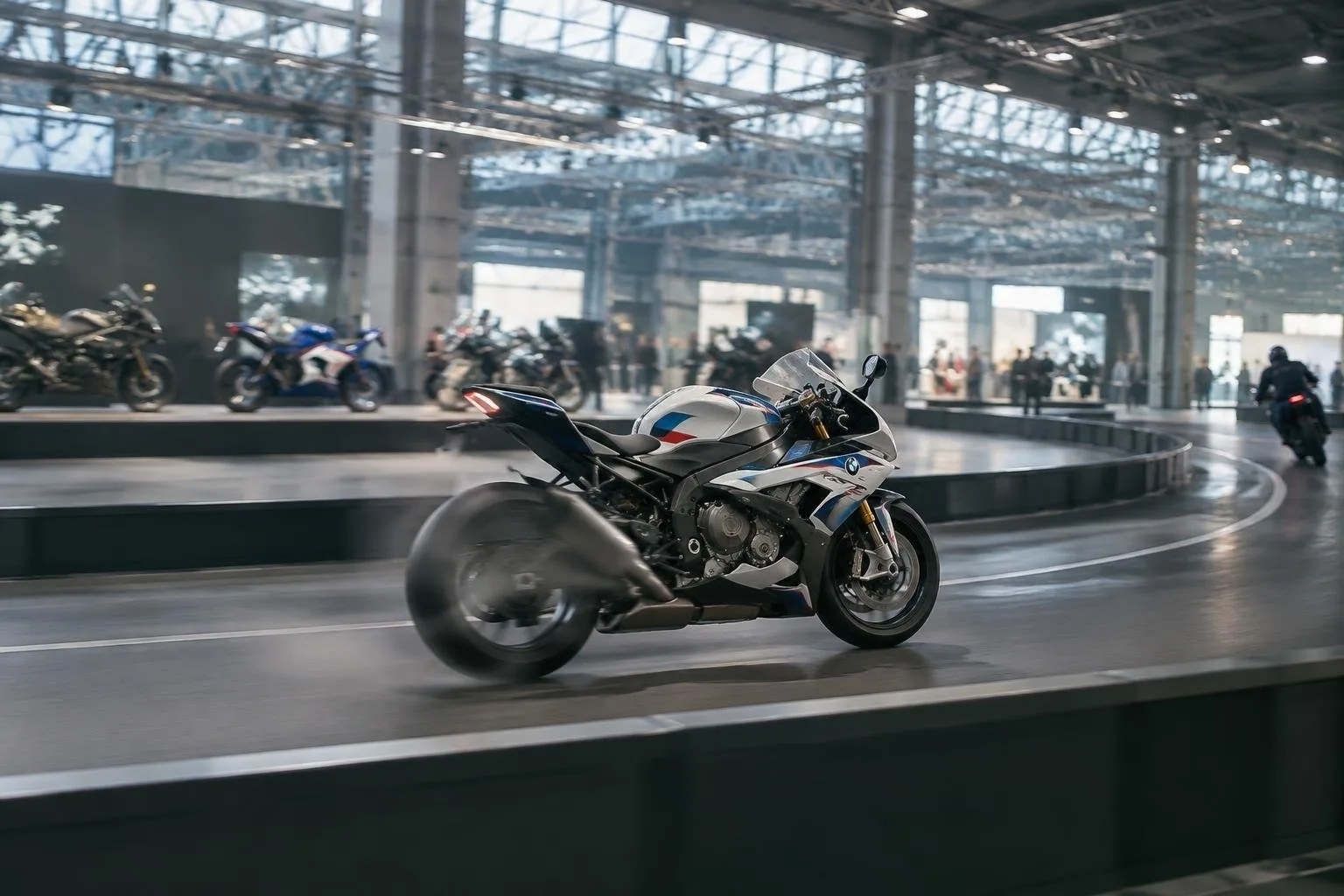
The 2026 motogp season has become a stage for disputes that stretch far beyond lap times. After a public interview, Toto Wolff dismissed a group of riders as “knowing nothing about geopolitics,” sparking a backlash that now intertwines with an escalating health crisis and a controversial race in Qatar. The friction highlights how the sport’s leadership, athletes, and event organizers are navigating a tangled web of political statements, physical wellbeing, and contractual obligations.
Toto Wolff rebukes MotoGP riders over geopolitics
During a televised podcast, the Mercedes-Formula 1 team principal challenged several MotoGP competitors, asserting that their comments on international affairs revealed a “lack of understanding” of the broader geopolitical landscape. Wolff specifically referenced recent debates about Middle-East involvement in motorsport, suggesting that riders were using their platform without sufficient insight. He emphasized that a sport’s global reach carries a responsibility to be informed, and hinted that uninformed remarks could damage the sport’s reputation.
Riders responded with a mixture of irritation and defiance. While a few denied ever commenting on politics, others argued that the criticism was a diversion from more pressing concerns within the paddock—namely, the mounting number of injuries that have forced several competitors out of contention this season.
Physical toll: retirements, injuries and the grind of a fly-away calendar
Just weeks after Wolff’s remarks, former world champion Joan Mir withdrew halfway through the Malaysian grand prix, citing dizziness and a loss of control. Mir, who had recently returned from a four-round absence due to stress-induced vision problems, managed a solitary top-ten finish in 2026, underscoring how the sport’s demands have eroded his performance. His departure was a stark reminder that the season’s exhaustive fly-away schedule—spanning Japan, Indonesia, Australia and Malaysia—places immense physical and mental strain on riders.
Mir’s situation mirrors a broader pattern: Jorge Martin abandoned the Sepang weekend after a broken right wrist, Toprak Razgatlıoğlu missed the remainder of the year with a right-shoulder injury, and several Aprilia riders—including Raúl Fernández—are racing against the clock while nursing broken fingers. Even championship leader Marc Márquez competes with a rehabilitated right arm, describing his 2026 title bid as “more an adaptation than rehabilitation” because he has had to modify his riding style to stay competitive.
Statistics from the current year reveal 279 crashes among the full-time roster, averaging 12.6 incidents per rider. Only three of the top ten riders have completed every Grand Prix without a medical setback. The relentless aerodynamic evolution of modern MotoGP machines, now heavier and more demanding in slipstream conditions, has amplified the physical load on forearms and shoulders, turning many riders into walking examples of arm-pump fasciotomy scars.
Riders unite against the Qatar Grand Prix
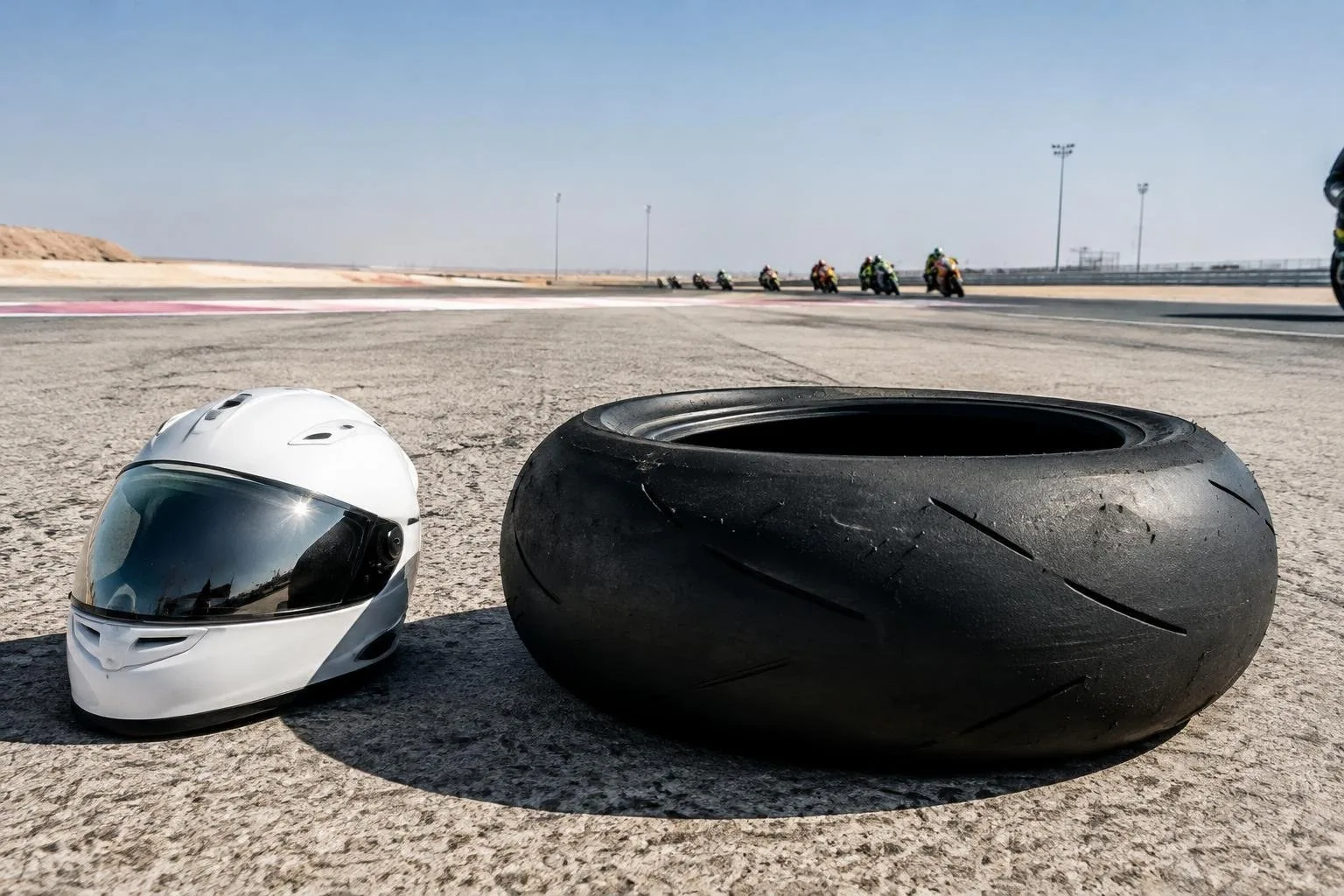
Amid the health saga, a separate controversy has galvanized the paddock. A majority of riders signed a collective letter to the MotoGP Group, formally opposing the upcoming race at Losail, Qatar. The document, delivered ahead of a meeting with team managers, argued that the event should be cancelled due to safety concerns, despite assurances from the Qatari government about an evacuation plan and expense coverage. Three riders abstained from signing, hinting at lingering divisions.
The group’s stance was met with a veiled warning of possible sporting penalties—though such sanctions would ultimately fall under the jurisdiction of the FIM, whose president, Jorge Viegas, has remained silent on the matter. Notable protest leaders, including Marc Márquez and Fabio Quartararo, have pledged to explore legitimate reasons to miss the Grand Prix, ranging from medical procedures to personal health safeguards.
With the Qatar round positioned as the final leg of a triple-header, the riders’ collective opposition could force the MotoGP hierarchy to reconsider its calendar. The outcome will likely influence future negotiations over race locations, rider welfare protocols, and the sport’s approach to geopolitical sensitivities.